Ep 186 What SaaS Leaders Get Wrong About AI
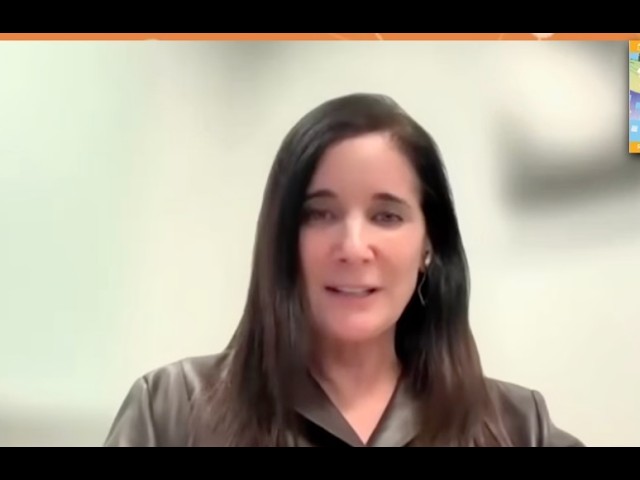
In this episode of the SaaS Backwards podcast, host Jason interviews Lara Shackelford, SVP of Growth Marketing, MarTech & CRM at iCapital and founder of Federi AI. Lara shares insights from her postgraduate AI strategy program at Oxford, emphasizing the need for a structured AI readiness assessment, use‑case prioritization, and cross‑functional governance. She argues that many SaaS companies waste AI spend because AI is scattered across silos, lacks a Chief AI Officer reporting to the CEO, and fails to invest in change‑management and AI literacy. The conversation explores the emerging problem of "agent sprawl"—disconnected automation agents that don’t communicate— and the importance of a semantic layer to normalize data across systems. Lara provides concrete signal‑driven automation examples (e.g., job‑change alerts via Clay, social‑signal triggers) and outlines a 30/90‑day approach to pilot high‑impact use cases using a use‑case matrix that weighs effort, cost‑savings, business impact, and readiness. She stresses that marketers must become comfortable with low‑code/AI‑agent tools (Replit, Lovable, Bolt, ChatBuild) and understand data architecture to build a "human context layer" that treats each prospect as an individual rather than a funnel. Governance is framed as an AI council with policies, guardrails, and cross‑functional representation. Finally, Lara reflects on the broader AI future, comparing it to past tech revolutions, and encourages listeners to connect via LinkedIn and follow AI‑focused educators like Paul Reitzer. The episode offers a practical roadmap for SaaS leaders to move from hype to measurable AI ROI.
Chapters
Welcome to SaaS Backwards, a podcast that helps SaaS CEOs and go-to-market leaders accelerate growth and enhance profitability. My guest today is Lara Shackelford. She's currently the Senior Vice President of Growth Marketing, MarTech, and CRM at iCapital and the founder of Federi AI. She specializes in architecting AI-powered revenue systems across the entire customer lifecycle, from demand gen through customer success and referrals. She's also a sought-after keynote speaker and LinkedIn Top Voice on AI. Lara, welcome to the podcast.
Thank you. I'm so glad we finally made it happen, Jason.
That's right. Lara and I go way back to, I think, third grade. So before we get into the questions on AI, Tell me a little bit about your postgraduate work with AI strategy from Oxford. I thought that was pretty interesting.
Oh, it was so fun. It was the time of my life. And I, I'd been wanting to go back and do something more in education for a long time and just didn't know what to do or when, you know, what was the right thing for me. And then I saw this program and I thought I could think of nothing else. And I learned a lot. There were two, two modules were business strategy, the first one and the last, and then two modules were technical, and I'd spent a lot of my career marketing and selling data analytics and AI technologies. But it's different when you're, you know, you have to write a mini thesis on them, right? And prove that you understand them. And by the way, we were allowed to use AI tools, but you could use them to edit, like the original thinking had to be yours, right? And so it was great coursework. I learned how to just get the whole methodology in place for driving an AI strategy across an organization from starting with an AI readiness assessment, use case prioritization, you know, you know, really looking at the strategic impact and, you know, making your bets so you're not doing everything at once and realizing no ROI. But what I got out of it most was the relationships. I was one of 3 people from the US in my class out of about 71 people. I just did a video the other day for my friend who was doing a consulting session with the University of Guam. She lives in Guam, so I joined her for part of it by video. And it's just having this network of people all around the world who care about AI and we share, you know, what we're seeing in Singapore and Guam and Dubai and all of it, right? It's just so, it's so powerful to get other perspectives.
Yeah, that's interesting. Did you actually have to go to Oxford or was this all online?
I did. We went there. And in fact, they added, uh, module 6 to our, uh, program. It's, and so a bunch of us are going back in April to do another, just kind of bolt on to it. But I just, I can, now I'm figuring out what should I do next? Oxford just introduced a technical master's in AI. Oh, wow. Because ours was Yeah, it was postgraduate, so it was like 4,000 words less on your thesis. It was still a bear to write it, but you know, I don't know. I don't know where I'm going to go or when, but I want to, I just want to keep going. It was just so liberating to be in a classroom again.
Oh yeah, I bet. That's interesting. All right. So companies are spending like millions on AI right now, but why aren't they seeing results in your opinion?
One, I think they're seeing more results than people realize. You know, you get, you have the negativity out there. The MIT report that came out, was it a month ago? That they, their methodology was pretty much immediately disproven. And Wharton came out with a report just October 31st, I think it was published, that countered that completely and showed people are getting return for their AI investments. And then there's a lot of, there are a lot of stupid things happening too, right? And I think the problem is many organizations, one, there's a, they're not, they, many organizations are not figuring out how to prioritize it in the right way. So you have CIOs or CISOs and you have HR, and you have marketing, and you have data, right? Usually a chief data officer, depending on the size of the organization. And I've seen AI sit and report to every one of those groups, but never seen it like really— I shouldn't say never. I think the organizations that are big enough to do it, that are winning with it, they appoint a chief AI officer and that person reports to the CEO. Because without it, you end up with just power struggles and politics, or you're driving really great technical ideas, but there's no change management component to it, right? Hey, we, we rolled out Copilot, or for the lucky people, we got ChatGPT Enterprise, but we didn't train anyone on it. Right. And so that's the other part.
Are you seeing any of those titles emerge? Chief AI Officer?
Yeah. Yeah. Some of them. Very rare, but some. Yeah. I'd say, I don't know. I wish I could give a number, X percent of companies. In fact, I should do, it wouldn't take long to probably do a quick study on trying to think, get a sense of what percent of what size organizations have chief AI officers. But I think that's a huge part of it. And then I think the other part is that lack of change. It's our professors, and you don't need a professor for this. Our professors though would always say for, you know, it used to be every $1 you spend in technology, you, you should spend $3 on change management. And they were stressing now it needs to be $7 when it's AI because there's just so much change required. And people are doing the technical side of it and, you know, letting people fend for themselves in many cases. And that's part of where I think failure is happening.
So that's an in— kind of an interesting side discussion. I'm wondering how much organizational development skills would be required in somebody that's gonna be a chief AI officer, right? Like, so not only do you have to have technical skills, but you also have to have OD skills.
Exactly. Yeah, it's so important. And you have to have that credibility, you know, be able to establish it across the organization so that you can drive change into all of those orgs with, you know, support and partnership.
Interesting. All right. Well, let's talk about agent sprawl, because that seems to be like a new problem that's emerging. So everybody's building agents. What do you see as going wrong with that?
I think that where I see the future, let's take the positive side of it first. And I don't take credit for this phrase. My my good friend from way back at Oracle, he's at PwC now, but anyway, he wrote a paper and he was recently with MIT and it was a really good paper. And they talked about the fact that, you know, what we're gonna have in the future, and I completely agree with this, is, you know, people keep saying, oh, you have to have a human in the loop. And, and yeah, there are things where there should always be a human in the loop. There are lots of things where you don't have to have a human in the loop. What you need is a human at the helm, someone who truly they take responsibility if it goes wrong. I've seen situations like that where someone I know couldn't get a technology approved in their organization until they said, here's how I'll use it. And if it doesn't work out, you can fire me. And they put an email and it got put through, but people want to know that they can hold someone accountable. And so, I mean, I think the, you know, the positive view in the world is I think you are going to have agents managing agents. You have your You know, agent that's automating, you know, someone changes jobs, right? And you get a signal in your CRM that says they changed jobs and that triggers an automation out of HubSpot that emails them and says, hey, we've loved working with you here. Hope to continue the relationship there. And, you know, you've got all these agents that are connecting it and then that triggers a, you know, a note to the SDR or the sales leader who's reaching out and hopefully doing coordinated outreach, right? But there are just so many points in that, in that continuum where I think the agents have to talk to each other, and if they don't, it falls down. The agent sprawl is that you have all these great pockets of opportunity and you automate this part with this technology and that part with that technology, and you don't have this kind of unified view. They're not all working together. On the one hand, you can connect now with APIs so easily and try things easily, but you also don't always integrate things correctly. So you bring in a new technology and what's supposed to automate suddenly breaks the signals and your systems aren't talking to each other. And that to me is, that's the agent sprawl that I'm hearing about. I even have a friend who just started a company to address that problem and she's got all, you know, kind of like 70 5 of the major vibe coding companies that she's got, and she's going to make sure— her goal in her company is to make sure that those tools can be integrated within the organizations, because otherwise you've got this big plate of spaghetti, which is what's happening today.
Let's talk about, like, signals triggering actions. Like, give me some concrete examples of signal-driven automation that actually works.
Yeah, I think there's just, there are so many opportunities. And unfortunately, like the, the example I just gave you that was top of mind for me was, you know, someone changing jobs, which we see much more frequently today. But you learn about that typically, like you could have Clay, right? Clay, you set up Clay to look for, to get a signal when that happens. You then, like I was using the example earlier, have an automation that when that happens, you reach out to that individual. That reach out is personalized based on what your relationship had been and what it might be with them and their new role in their new org. And then it triggers the seller. And at the same time, the seller, you know, if you've got social listening in there as well, right? So you're not going to ever do anything that's going to be creepy. I mean, people have and it ends badly, but if you only use, you know, social signals that are public, someone has shared, you know, people are sharing everything on LinkedIn now. Hey, bought a new car or, My dog is sick or whatever it might be.
Unfortunate in my opinion, but yeah.
Yeah. I, yeah, I don't love all the personal oversharing, although I did do a whole Christmas series on LinkedIn. I think I'm still kind of regretting it, but I, uh, I'm going to follow it through because I love Christmas. But, um, but yeah, I think, you know, if they then get data about that individual, but it's public, right? It's not creepy. It's not going and trying to find friends of friends on their Facebook or something. Um, and if that's integrated, then they can follow up and say, hey, I saw this news.
I was thinking of you.
You know, with the job change and also, you know, new car and they bought a Volvo. And that means that maybe they, you know, they're at a certain place in life where they want value, like kind of safety and security, right? It's just, you can be so much more tailored and personalized. We've been talking about this customer journey of one. I mean, we, I started talking about it at Oracle in 2000. We would call it Total View of the Customer, or TVC, and we were running around selling it to people. And it's 2026 basically, and we're finally finally so much closer to that, right? But it's been a journey. But the idea of that being a journey of one is, is the holy grail that I think we're moving closer to.
So let's talk about assessing readiness. So before companies start building all these automations, where do you think they should assess first?
So I have a readiness assessment that I developed and I use it with organizations. And depending, like, you either go org-wide or you can start in a department depending on your role and what you're trying to achieve. So I've one that I tailored for marketing and for sales that where I also look at signals. But anyway, my readiness assessment looks at, let's say you're going across an organization, you need to understand where you're starting and you do an assessment of the exec team first because they're the ones that need to be unified in driving an AI strategy. And they're the ones where a lot of it is breaking down at that level today. And so, you know, you go and assess on, people, technology, culture, the things that you always have assessed when you drive a major initiative. But you have these 4 main categories, if you will, in governance. And then you interview. And this is kind of old school, right? You go and interview each of the executives to start and get an executive-level readiness. And it is stunning what it will reveal about an organization where people think, oh yeah, we're really aligned. And when you actually do this, you wait, you know, it's weighted, you put a score to it. And the people you thought were way up here, are, you know, much earlier in the willingness to adopt phase than what you realized. And then, like I said, I also have one that I customized for sales and for marketing where we can then go into— you can go and take that across the marketing department and assess where the leaders in the marketing department are and where the individuals are. And what it does is, like I said, it exposes where there are gaps in where people think they are and think the organization is, their readiness. But it also gives you a baseline, right? So if you can't look back in 6 or 12 months and know if you've made progress, if you have no idea where you started. So that's a step a lot of people are missing and they're just jumping in. And, you know, the whole idea that we're not getting return from, from AI. Well, one piece of that is knowing where you were before you started it.
So once you've kind of identified problems, like, how do you decide what to fix first?
Yeah, I mean, one, AI literacy has to be one of the top priorities. And, and that seems obvious, but there are still organizations that are not prioritizing it. And, you know, when you have a small group of people, maybe 10% of the company that's been enabled with tools and other people that haven't been, or just a small group that's maybe included in training and other people who aren't. They've— you've got to have an equal playing field where everyone has, you know, not everyone is going to have the same access and exactly the same tools, but everyone has to have the capability and have, you know, the right level of access for their role. Anyway, that's, that's a really important piece to start with. But you don't wait for that, right? Because it takes time to get people, you know, to understand AI, how to use it. And then start to have practical use cases. I mentioned this use case matrix that I use to prioritize use cases, and I measure based on what's the level of effort required, what's the— is there cost savings to it, what's the business potential, business impact, and then what's the just organizational readiness to take something like that on, right? Is it, is it going to require 20x in change management dollars, or is it going to require 7 or 8. And so I take in, you know, all the primary use cases that are on the table initially that people are interested in pursuing. And then also look at then the department level, you know, what are the things that should be automated or made efficient as quickly as you can? Where should you be investing now to be more strategic? And, and especially RevOps, you know, I think sales and marketing, they're merging and becoming closer and closer together. And there's just such an opportunity there.
So I've heard you talk about how marketers need to understand data, right? Like, or data architecture. What's behind that?
I think just a lot of marketers are— a lot of marketers are good at data and have been for a long time because they've been focusing on KPIs and updating their board of directors with their business impact. But they're also, you know, if you're more on the creative side of marketing, if you're not, you know, going and presenting to the board, maybe people aren't as fluent in data. And if you want to drive AI initiatives, and we should all want to and now and be expected to, or just even if you're managing, you know, revenue systems, if you're RevOps, of course they will know data more than most people, but you need to be fluent in understanding data and how it should be structured and why, why you need to have a semantic layer because HubSpot has a different definition of a an activity than Salesforce does, then, then maybe we're getting out of clay and other systems, right? And you need something that normalizes it. But if you don't understand data, how it's structured, how it works, you don't know how to challenge under the systems that you're putting together, or— and you definitely don't know the art of the possible because you just, you have to understand it. And I think every organization is part of their AI readiness. And that literacy I talked about should also provide the entire organization with training on data and LLMs and machine learning, all of it, because we just, we don't all need to know how to code today, but we need to know how, how it works.
So let's talk about the semantic layer. First of all, tell me what is the semantic layer and then talk about a concrete example of that, what that actually fixes.
Yeah, it is this idea of one system. It says that you've got a fuzzy yellow ball that bounces. In another system, there's a tennis ball, right? And a semantic layer puts things into a common language. So that way, when you're running a revenue system as an example, and you're asking for information about a contact and you're, you've got contact level data in some way, you should have a central system like, you know, CRM that that normalizes it, but you still want to know that you've got one definition of a customer. Even there's so many businesses where they're complex and a customer can mean 18 different things, right? And customer support could think of the definition of a customer very differently or refer to them differently as a client versus a customer. The semantic layer normalizes it so that when you're you know, you have data and signals running across the organization, basically just speaking in a common language. And when I say speaking, I mean your systems are, right? We are as a company, but the systems are as well.
And I think you use a Sixth Sense example of that too, right? Like put it in sales speak. The example you gave was like, you know, a company showing intent, like 4 different systems, 4 different definitions, 4 different scores, you know?
Yes.
I think that's a—
That is a brilliant example that I shared before. Yeah.
Yeah. I mean, it brings it home for the sales and marketing marketers like me, right?
Yeah. No, that's, it's exactly right. We're getting so much great information from so many different places now, right? AI is being kind of shoved into all the products that we've been using for a long time, right? And in some cases that's troublesome because if it's not built for AI, it doesn't do what they say it does or what they want it to. But yeah, so we have all these different places where we're getting signals and how do you, how do you normalize that? And again, the whole agent sprawl, how do you make sure that they all talk to each other? Yeah.
So let's talk about like what marketers should be building. I think you're telling marketers that they need to code. Explain that. That kind of scares marketers.
Well, I think they should. We should all know how to Vibe Code, because it's the easiest thing in the world. And I'll give you the most basic example. I've built other things that are much more sophisticated than this, but the first thing I did with a vibe coding tool was I wanted to create a survey about women in AI for this, you know, what I'm doing for Xerox and their women's group. Anyway, I went to 4 of the vibe coding tools that I'd heard good things about, and one of them actually is my classmate, and she's got this incredible tool she built. But anyway, it was fun to try the 4 of them, you know, in parallel and see what they did. I had the questions, I, I wrote the questions, I knew what my intent was. I then, you know, had Claude and ChatGPT help me refine the questions. But then I went and I just dropped it into each of those tools and said, here's the survey I want to create. And I want these people to take it and I want it to feel like this and done. And yes, I had to go back and forth with each of them. And then I had to connect, you know, HubSpot after, but it was one of the fastest. Efforts in building a survey. You know, and they have survey building tools, of course, that have come out the last few years. But this was 20 times faster and easier. And that's just one example. But we all need to know because if I didn't know, my peers over there doing it and I'm getting left behind and we can just be so much faster. But again, that gets to this plate of spaghetti. Our organizations need to manage it.
I know you mentioned some of those tools like Lovable, Replit, Bolt, ChatBuild. Interesting. Like earlier today on a sales call we had with a former client who's now with a new company, he's talking exactly about building agents on Replit and Lovable.
So, oh, nice.
Very timely. Interesting. But, uh, talking about in practice, like, you know, how marketers are kind of building agents to go out and find, you know, you know, in sales, it's like where to look, right? Like where to be most efficient. And that's what he's building agents to do, which is really interesting. Let's talk about the human context layer. So you talk about signals being human, not just behavioral. What, but what does that mean?
And I'm so careful with this one. And unfortunately, I, I mentioned this earlier, you know, for so long we got data that was, you know, we got someone's web behavior. We got, you know, we got intent data. We had their behavior on our website and a different place where we get sentiment, right? But now we can get so much more on individuals. And I think it's, um, how do you structure your engagement so that you can engage with someone as an individual versus shoving them through that golden customer journey that we've been creating for so long. Right.
Which is pretty much BS at this point, right?
Exactly. Yes. So that's really what I mean by that. Right. And so, yeah, it's pretty basic what I'm saying, but it is— we like, we have to treat every individual as an individual and an opportunity to engage and meet them where they are and let them tell us where they want to go, right? Instead of shoving them through, you know, our funnel.
Which is how we used to do it before the predictable revenue model anyway.
But I know I feel a little guilty because I was, I was in the predictive analytics game early on. But I don't take the blame for that. It was the marketing automation platforms that did it.
So let's talk about the 30/90 rule. How should companies actually begin and why doesn't 30/90 add up to 100?
One, it's just begin, right? Everyone thinks about things differently, right? We all have, if you, I forget what the color test is. Are you like, I'm an orange with a lot of green as my secondary color.
What's the color test? I don't know the color test.
Oh, okay. So it's, it's kind of, it's, and it's it's been questioned because it can put people into boxes that, you know, you don't necessarily benefit from people being put in a box, but, but it's really, it's more like, what do you lead with and how you work? I lead with energy and fire, but I also temper it with kindness. And, and a lot of people, you know, lead with blue and they're very analytical as an example. So it kind of just shows, you know, what you lead with. So I think there, you know, you absolutely need all the colors of the wheel in a project and thinking about AI. But there's also— there can be a tendency for people to feel like, I have to go and figure all this out before I do anything. And you get paralyzed. And I've seen it multiple times. And you just have to start. And, you know, start your couple of POCs, you know, start moving. And you— the thing is, you know, as individuals or as organizations, we learn. And doing something wrong in AI, unless it's You know, something very like deep system stuff that you're not going to do in just a quick POC, but, you know, just try and get started and do something where, you know, you have a strong belief you can prove value because then that gives confidence to the organization. And then the 90-day piece of it is you absolutely need to also move fast to have, you know, more kind of structured approach to it where you're, you know, building POCs where you can see value in 90 days, but there, it may not be, you know, 30-day payback. You know, I did a few things that made my day more efficient and gave me greater ability to make greater impact. But it's also the, what are the things that over 90-day period you can show that this over time is really going to move the needle for the organization to help with growth, to help with, you know, more strategic approaches to the market.
Let's talk about governance a little bit. So who actually owns that work? Like, or, you know, how do you implement governance? And what should that look like?
Yeah, so I think it needs to be, you know, just like I mentioned, all the people who are involved in AI in an organization. You need every part of the organization to be in an AI council, and you have, you know, a governance layer there of people who are representing the work that needs to happen, representing what's happening at the department level, bringing, you know, use cases to the council, and then following governance that's provided so that you know the guardrails that you're working within. It sounds so simple, but every organization should have an AI policy, and there are templates available everywhere for good AI policies. I've seen some really bad ones and scary ones, actually. But you have an AI policy, you have an AI council, and then you have guardrails that you give people, which says you can use these tools in this way. If you want to do something different, here's the group to ask. And then you let them— you let them be safe to make mistakes within those guardrails, right? So, you know, you're not going to go and put something in ChatGPT on your personal computer or, you know, on your own personal login. You're going to use the enterprise version of it. That's a really basic example. But anyway, I think the main thing is just having those structures in place, the policies and the cross-functional organization.
And if somebody is listening and recognizes a lot of the problems that you're kind of bringing up, what should they do next?
Oh, there are so many things, but I'm always happy to— I mean, we only scale so far, right? But I'm happy to be a sounding board to people because I just, I think this is, we all know this is an incredible opportunity and I want to see people thrive through this. And I just think the world can be the oyster for people who want to dig in and really use this to accelerate their careers. And I would also highly encourage them, I swear I'm not a channel for SmarterX and Paul Reitzer, R-E-I-T-Z-E-R. But he's the one podcast I listen to every week. He's got incredible training materials and he talks about AI that in the most accessible way that someone who's never had a conversation about AI could pick up his podcast and understand 70% of it, right? You've listened to it a few weeks and you're knee deep in it. So I would highly encourage people to engage with Paul and his content.
Will do. And one last question. So what would you say, like, about the development of AI and, like, you know, hearing some pretty scary directions in the news, like we're all gonna lose our jobs, they're gonna come back to kill us. Have we been watching too many movies or where, where do you think this is all headed?
Oh, I'd love to hear what you think of it too.
But, um, for me, I, I, well, honestly, like, I find it a little hard to It sounds to me almost inevitable that we're all screwed, but maybe I watched too much doom scrolling.
I think there's some massive truth to that or potential for truth, right? And then at the same time, I see how many organizations are enthused and how slow some of it, many of them are moving. And I think You know, when, when the internet happened, I was, I was at Oracle. We launched internet applications in, I think it was around '99. Anyway, it was Oracle internet applications that are obviously their cloud applications today, and it was going to change everything, right? And you know how many years it took to change everything? And yes, this is, it took 20. There, I mean, Oracle is thriving now, but like it took a long time. And, uh, and so, and I'm certainly a lot of it is their data strategy. I'm not saying that they're, their cloud changed everything completely. But, but I, I think Andrej Karpathy, who's— he was an AI leader at Tesla. He's very well-informed in this space and respected. He did this 2-hour podcast and he just said, hey, look, I've analyzed it every way. And he said, I don't see how this happens and plays out any differently than how, you know, smartphone changed the world and the internet changed the world. And he said, every time we thought this thing was going to be revolutionary. When you look at it, it impacted the GDP by 2.5% every year. And he said, I will be shocked if it's any different than that. So, you know, there's the doom scrolling your end, and then there's that. And I, I'm just— I'm gonna do everything I can to help people and to learn, and, uh, and I'm gonna hope that, you know, the good in humanity wins out, which it can be hard to think that's the case, but I'm gonna, I'm gonna pray. Oh, for that.
So that sounds good. So now if people want to get ahold of you, what's the best way to do that?
Yeah, LinkedIn is the best way. It's where it's so hard to keep up with just other means of communication, I find. So I'm like on LinkedIn a lot and I have a YouTube page. I'm not, you know, I don't do a lot of communication on there, but I've got a YouTube page. You can find me there too. And yeah, love to connect and hear other success stories or questions that people have.
Well, that's great. Thanks for being on the podcast, Jason.
It was so fun to do a podcast with my elementary school buddy. Absolutely.
Did you ever think that when we were sitting in debate class in high school that we'd be talking on the internet?
No, Mrs. East would be so happy. Or Mrs. East.
Yeah, we'll have to send this to her.
Exactly.
Thank you very much. And if you haven't subscribed to the podcast, you can do that wherever podcasts are offered.
More from Lara


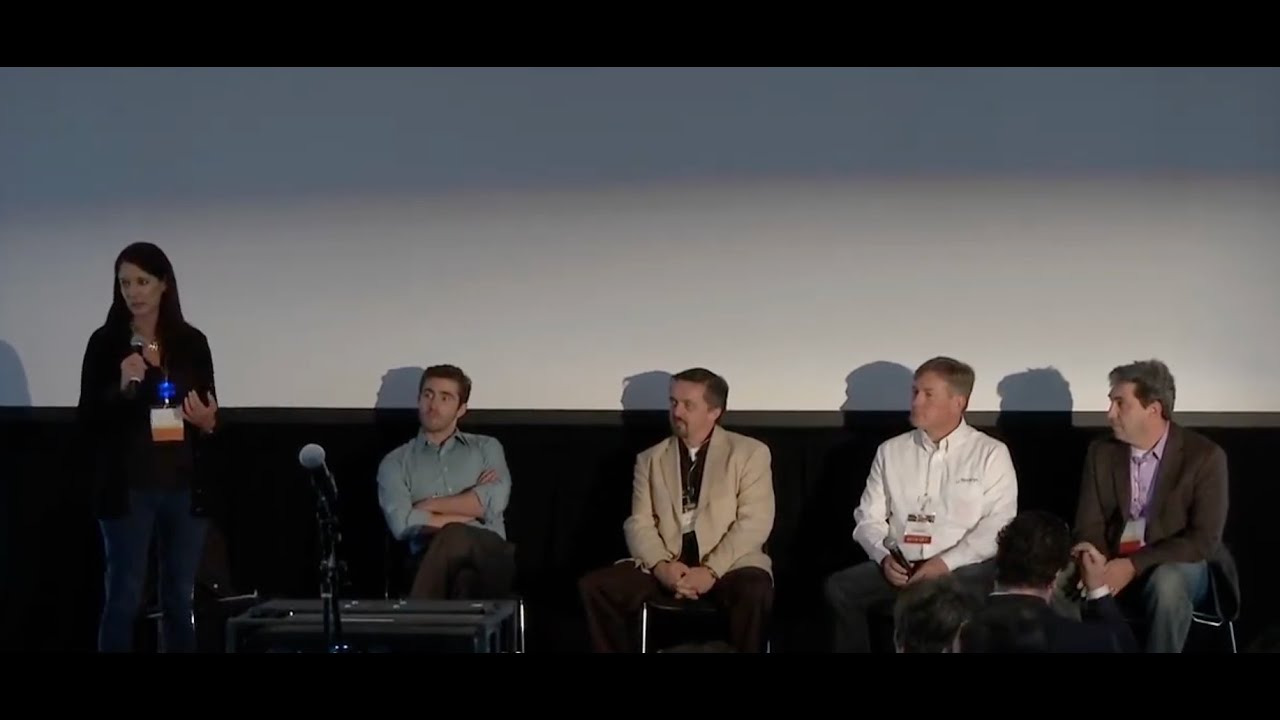
C Summit 2013 No, Really These Companies Transformed Their Businesses Using Cassandra

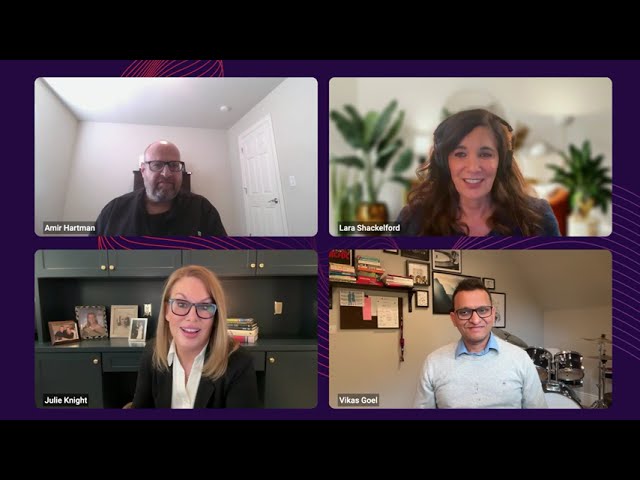

Strategy Magic: How to Leverage AI for Peak Efficiency with Lara Shackelford
AI Summit Forecast '25 Business Model Innovation & Growth Strategies led by Lara Shackelford