The Modern Advisor Series Maximizing AI iCapital FIDX VastAdvisor
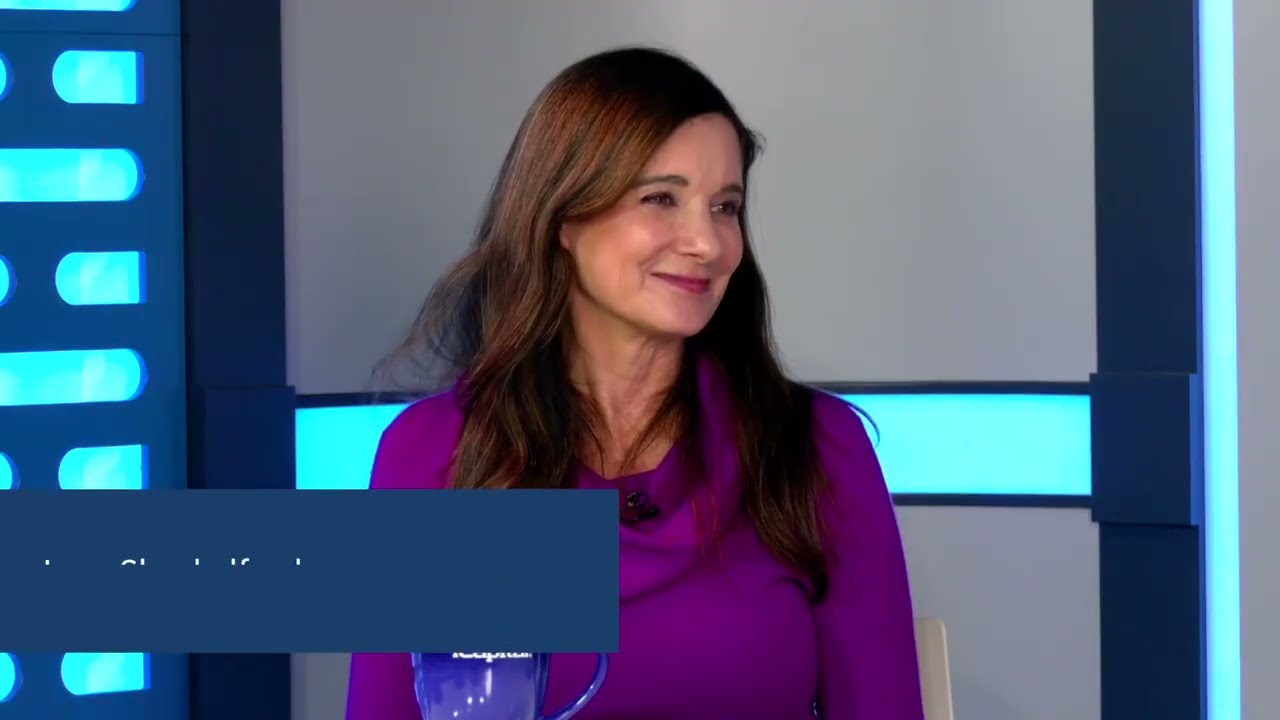
In this Modern Advisor Series webinar hosted by Jess Sims, panelists Lara Shackelford (SVP Global Demand at iCapital, founder of Federi.ai) and Ian Cornell (founder of VastAdvisor.ai, former Envestnet AI governance lead) discuss how artificial intelligence can reshape the financial advisory industry. They explore AI’s role in driving efficiency, automating repetitive tasks, and lowering client‑acquisition costs; the potential of AI‑powered marketing, content creation, and omnichannel engagement to generate organic growth; the importance of data readiness, AI literacy, and change‑management for firms adopting AI; and the need for robust AI governance, ethics, and transparency, including the creation of AI councils and readiness assessments. The conversation includes concrete examples (e.g., 30× reduction in customer‑acquisition cost, 40,000 advisors on TruLytics, 188 million households without advisors), practical recommendations (start with content, use AI for email drafting and A/B testing, leverage AI‑driven ad‑generation tools, download and experiment with LLMs), and a clear stance that AI will augment—not replace—human advisors. The panel ends with actionable steps for advisors and a call for continued education through podcasts, conferences, and internal AI committees.
Chapters
All right. Hello and welcome to the next Modern Advisor Series, Maximizing AI. I'm Jess Sims, and I'm thrilled to have you here as we explore how AI can transform how advisors do business. Today, we're fortunate to be joined by two outstanding speakers who bring unmatched expertise to this conversation. First, I'm excited to introduce Lara Shackelford. SVP of Global Demand at iCapital. Lara has a remarkable career spanning over 25 years as the founder of Federi.ai and has held leadership roles at Oracle, Microsoft, and Intel, to name a few. At Intel, she served as the Head of Global Products, Marketing, and Sales Enablement. Lara is also a recognized thought leader and has been named a LinkedIn Top Voice for artificial intelligence, and a product marketing, a top 35 women in B2B marketing by Data Captive, and a top 100 CMO by Diversity First.
Woo!
In addition to Lara, we're honored to welcome Ian Cornell. With over 30 years of experience in fintech, digital marketing, and big data, Ian is a seasoned entrepreneur. As CEO of One21 Global, the company achieved recognition from Fortune, Ad Age, and B2B Magazine. Scaling over $100 million in billings with over 220 employees worldwide. In 2023, Ian sold Trulitics to Investnet, where he led strategic initiatives, partnered with OpenAI, and formed Investnet's first AI governance committee. After leaving in late 2023, Ian launched his current project, VASAdvisor.ai. Thank you both for joining us. Thank you. And to those who are joining us virtually, this will be an engaging panel, so please feel free to use the chat that's below. We will also have some questions that we will prompt out to the audience and some polling as well. So let's get started. I'll start with you, Ian. Great. What inspired you to launch Trellitics?
Yeah, TruLytics was a practice management tool targeting financial advisors, RIAs, to help them measure the intrinsic value of their practice and more importantly uncover what we called unrealized value. How do they maximize the value of their practice? As we're beginning to look at these massive successions going on in the industry, the aggregation that's going on in the industry. It became a very important tool. We had 150 different key performance indicators that factored into their intrinsic value. We had peer benchmarking, so we were able to kind of benchmark them against their peer group. We had an enterprise solution that we sold to independent broker-dealers, asset managers, and custodians. People like BlackRock, LPL, Cetera were our customers. We had about 40,000 advisors on platform when we sold it to Envestnet. A couple of years ago.
Wow. Yeah. So Ian might look very familiar. We actually had his twin brother Jeremy, who is still with Envestnet, at our last event. So again, this is not a redo, but we are happy to have you. Thank you so much. So I guess my next question would be to follow up on that, how do you think that will transform the financial landscape in the next 5 years?
How AI will?
AI, yeah.
Yeah, yeah, specifically. Yeah, I mean, I think it's already beginning to have radical transformations, transformative effects within every industry sector, including financial services. We're seeing a lot of innovation now in the mid-office and back office and the ability to take large data sets and identify opportunities for the investor. Automatically for the advisor. So, you know, so that's happening right now. So how do you automate those efficiencies, target investors with, you know, relevant proposals? Because you see, you know, certain assets may be underperforming in other accounts. You see tax harvesting opportunities. So there's a lot of that going on in the mid and back office. I'm focused on solving some of the front office challenges that advisors have, and I think there are are just incredible opportunities for just incredible transformations with respect to how AI can drive organic growth for advisors, which has been kind of when you think about organic growth in this industry, a lot of times it gets, you know, a lot of focus on existing customers. How do you expand wallet share, right? How do you, How do you drive retention, which is a subsegment of organic growth? I'm talking about solving for how can AI solve for organic growth with respect to adding net new clients, net new AUM. And that's been a challenge for a lot of advisors who've been just steeped in traditional tactics of like word of mouth, referral marketing, event marketing, traditional digital marketing. And I think AI has already beginning, has a massive, has the ability to transform that with respect to lowering customer acquisition costs radically, engaging prospective investors from a nurturing perspective over time, as well as its ability to personalize engagement and content at a level that we haven't seen before.
I love that, that the net new piece. Yeah. Yeah. Yeah, I definitely can see that in the industry that I don't think that we maybe focus a bit too much on that actually in regards of how you were saying it, right? So, Lara, I'm going to pivot over to you. Your experience creating Federi.ai and your previous leadership roles that you've had, How would you say that— how has that changed your approach to AI strategy in regards to financial professionals?
Yeah, so almost my entire career, so I've always done B2B marketing for tech companies. And almost all of that has been focused on technologies where we are marketing, selling data technologies, analytics, and of course, artificial intelligence. And that just sort of, as a marketing leader, if you're good at your role, you have to learn those technologies inside and out. And so, over the years, as marketing automation came to be a thing, I implemented my first system in 2009. I learned how to apply analytics and AI. You know, we were using predictive analytics way back in 2009 with our first system that I mentioned. And now, with the things that we can do, they're sort of the things we always promised customers that we could do. And I think back to Oracle. I was working for Oracle in London in 2000 in the comms and media sector, and we were promising our customers, "Hey, work with us and use our database, and you can have a total view of your customer." Ian, I know you'll be so familiar with this. Yeah. We meant it at the time with what the technology could do at the time, but today, that's real and it's happening today. That's just one example, but there are so many things now that we can know about our customers in real-time. We can take real-time signals. And create more customized journeys. And we'll talk more about that. But the front office that Ian talked about, that's where so much of my experience has been, and that's where I see so much of the opportunity for advisors to drive efficiency and to engage with their clients in more personal and more relevant ways. Yeah.
No, excellent. Thank you. I guess also too, you know, what I'm hearing as well, given your background and your excellent background, you know, as marketers, right, we've had roles where, we are either supporting organizations speak to the advisors, right? So I think that we're able to— would you agree that you've been also put in positions where you're seeing this need and as entrepreneurs you were just like, hey, there's an easier way to do this and let me just, you know, create something, a solution of some sort to, to continue moving that forward because I think with having your marketing muscles that you have, would you say that that's kind of been the driver of how this technology, your past technologies were created?
I'll say— oh.
No, go ahead.
So there's been— there was, for me, there was so much confusion in the market. And it just— I hated seeing it. I hated seeing people invest money places that weren't going to drive return for them. Or that even worse, we're going to create terrible experiences. There's a lot of personalization that people talk about today, and it's gone way too far with AI. I probably get, I bet you do too, 30 DMs a day, and there are these horribly written and often aggressively written by AI emails that'll say, why haven't you read my last message? I'm giving you one more chance. And that's horrible. Personalization is great, but it's gone too far. What I wanted to do was help people. I wanted to help financial advisors here in the service of my role at iCapital. I wanted to help marketers when I founded Fidere to not make those mistakes, to make better choices, to engage with their audiences as a journey of one, as an individual, in a really relevant and contextual way.
From my standpoint, with vastadvisor.ai, the motivation, a lot of the motivation stemmed from some really unique insights that we had at Truelitics. So again, we were measuring all of these different key performance indicators that drove intrinsic value for RIAs. And one of the ones that jumped out at me, especially having spent half my career as a startup CEO, the other half in revenue operations, was the key performance indicator around organic growth. Growth. And what we discovered was that those RIAs that had programmatically systematized organic growth initiatives, lead generation initiatives that were scalable, predictable, were valued at over 2x versus those that hadn't done that, versus those that were just buying leads from companies like SmartAsset. And so that for me became a huge motivation to go solve that problem and ask the question, how can AI do that? How can AI not only solve for programmatically systematizing lead generation, but how can it begin to radically lower, again, customer acquisition costs? We know in this space that customer acquisition costs range between $3,000 to $5,000, and we know how long it takes for those new customers to be acquired. We've already begun to see a 30x reduction in CAC because of AI and an acceleration of the firm's ability to not only identify their, you know, again, net new clients and net new AUM, but engage at a level of personalization and scale that they've never been able to do before and nurture and qualify ultimately. And that's leading to better outcomes in their sales funnels.
Yeah, could not agree more.
Yeah.
Before we dive into more questions around AI, like I mentioned earlier, we will have some polling. So the next polling that we will shoot out is how familiar are you with using AI in your financial practice? So we're going to shoot that one out now. Would love to see what the results will be, but we'll circle back to that towards the end, okay? All right, so I have a question for both of you. How do you see AI reshaping the financial industry in terms of efficiency? We talked a little bit already about this, right? Personalization and profit. Can you share some specific examples? I think you used personalization and how we might be abusing a little bit, right, AI and its capabilities. But Lara, I do want to start with you with that question.
There's so much opportunity, and it really requires thinking through a couple of things. One is there's efficiency. So people, you know, if I were a financial advisor, one of the things we would look at is what do you do in your business today when you wake up? What are the things that, you know, the tasks that took you through your day and through your week? And where can you identify those that are repeatable and that you can either apply an agent to, you can get AI to help you with that to remove some of the friction and reduce the time that you're spending on these repetitive tasks that aren't adding the value. And that's one of the places where I think, you know, we're going to be able to see so much time savings there. And it's happening today. And if people aren't doing that today, you know, it's— the opportunity is there for them to start doing it and do it soon. So I'd say, you know, training, applying AI to drive efficiency in their business, and then just so much of the opportunity on growth. And then I think there's just continuously questioning. We were just looking at a problem for financial advisors, and I can't get into too much detail on it, but it was a unique problem to this industry. And it was just looking at, okay, what is the combination of technologies that we can apply to this that can solve this problem for the industry in a way that no one has done it before. I really wish I could share more, but it was one of those— So secret, we'll talk about it later. So many, yes. There are so many opportunities and there are ways through these problems that we never had before. So yeah, those are a couple of things I think about. One is just that, again, efficiency. Two is innovation and just always figure out how to innovate in this environment.
I think efficiency and automation is huge, right? When we look at, again, going back to customer acquisition, cost. 80% of that cost is, is time that is associated with time that the advisor has to take to engage, follow up, appointment set, reschedule, you know, plan for that initial call, for that follow-up call with that lead. So much of that can be automated, so much of that, and that automation drives that efficiency and helps to to lower that cost. It costs American businesses $46 billion a year by missing calls from leads that go into their office. AI can now generate automatically follow-ups to those calls. There's never a reason to miss a call anymore. Provide a single, essentially a single history thread, be it through a call, be it through social media messaging, be it through web chat, be it through SMS. Any engagement that the advisor's platform, the AI that's been trained for that advisor or for that RIA, where that AI is engaging a lead, brings all of those insights in an omnichannel way and in a holistic way that will drive a better outcome, that will drive better content, that will drive better follow-up and engagement with the lead. All of that helps.
Yeah.
Yeah.
Then one thing I want to add to it is, All of this is in service of the human relationship and connection. So with all the AI today, we all want to feel that we're connecting with human beings. And this is about just creating that opportunity, right? Giving us more space so that we can be more authentically human and have more of those telephone calls, the meetings, go to events in person, which, you know, that's connection is so getting a little bit lost today, but we're all kind of moving back to it.
It's so true. I mean, advisors, I can't tell you how many advisors I speak to on a weekly basis that say, I'm not a marketer, I'm not a sales— I want to help build wealth and financial independence for my clients. That's why I got into this. It's very, you know, that's where their purpose is. And so I think AI provides a tool that enables the advisor to realize efficiency, streamline the ability to connect with the right individual as well. Right. So this is also about qualifying the type of individual that the advisor wants to be able to engage, wants to be able to bring into their practice and filter out those that aren't qualified to, you know, speak with the advisor. And so it's, it's all about giving the advisor more time to do the thing that they wanted to do to begin with. And again, this presupposes that, you know, these are advisors wanting to scale their practice. These are not lifestyle— like advisors or firms wanting to build a lifestyle business. They are professionalizing their practice. They're RIAs. They're looking to scale their business, not just through inorganic growth methods, but through, you know, again, programmatically systematized organic growth initiatives.
Yeah, I want to bring back what you said too, Lara, because this has been a conversation I— we had— we, FedEx, we held a forum last year and one of our great partners was on stage and she was talking about if an advisor were to sit down with a millennial, right, or with anyone really, if you think outside of it, right, When we're on our phones, it's easy to book a flight on our phone. When we're going in checkout, checkout is a simple tap, right? Without knowing, everything is just easier. It's faster. It's more transactional. But by saying that, I'm saying by eliminating those administrative tasks, by eliminating needing to outsource marketing or personalize an email as much as you can, or finding the right content to push out to a client, it takes a lot of time. So by diving in and leaning into these AI tools and resources, you are building more, like you were both saying, more opportunity to have that human interaction. And that's a conversation I constantly hear from our our broker-dealer partners, our insurance carrier partners, and from advisors that we've spoken to. So I love that you mentioned that because I think that's, we'll get into it a little bit further, but I think that is sometimes a fear that AI is going to take away that human interaction. And if anything, it's—
Amplifying it.
Yes, yes. With the way that you're using it, right? So I'm gonna— we actually shot that poll out. Like I said before, we will review the results towards the end, but if you have any questions, please continue submitting them into the chat box. We have our two guests here, so very excited. If you want to engage with them, please continue using the chat box and we will get to your questions towards the end. All right, switching gears here. Ian, you led your first commercial relationship between Investnet and OpenAI. Can you share some insight about what that experience looked like?
Yeah, yeah. Well, so my colleague Danny Fava and I did a lot of work at Investnet in the very early days, right? So we have to keep in mind a lot of this is less than 2 years old. And so when OpenAI became commercially available to everyone, obviously it was groundbreaking and everyone was engaging with ChatGPT and, in every company, even though every company's CEO and compliance team was like, do not do this. Everyone did it. And so in many ways, Danny and I were commercializing a relationship with OpenAI in order to mitigate some of the inherent risk that we saw in individuals just using ChatGPT from within the confines of Investnet and unintentionally training a publicly, you know, a public large language model. Now at that point, ChatGPT was doing that. OpenAI was doing that. It was taking their ChatGPT engagements and fine-tuning their model. Now they don't do that, but then they were. And so one of the motivations that we had was how do we move to an enterprise account where we can control the information that's fine-tuning our model? Essentially, and mitigate the risks of unintended consequences of either customer data being exposed or IP being exposed unintentionally. That was really the motivation to do that. Obviously, when Microsoft made their massive investment into OpenAI, we were already a Microsoft shop. They really streamlined the ability for the enterprise to have a secure environment to be able to leverage AI. Then it became about governance, and then we can talk about that.
Yeah. That's actually going to be my follow-up to you. So we talked a little bit prior to this, right? Do you see that becoming more of a trend with enterprises?
Yes? Yeah, 100%. I think, I mean, especially in financial services, especially in highly regulated market sectors. Where compliance is, you know, critical path to everything that you do. I think having internal governance around particularly this type of technology becomes critically important, right? You have, it's so transformative for the business, right? You're looking at massive efficiency gains. You're gonna have competing resources wanting to launch their own AI initiatives. You're going to have a need to prioritize these initiatives internally because you have constrained human capital resources and capital resources. And you're going to want to roll out these initiatives in a manner that is compliant, in a manner that is safe, in a manner that's transparent with your customers, and that solves real-world problems. So I think for us, for Danny and I, Danny Fava and I, that was our motivation to stand up the governance committee at Envestnet was to put a foundation together where we have a methodology to identify initiatives internally, validate that those initiatives should be a priority for the company, expose those initiatives to the senior leadership at Envestnet, give senior leadership not only transparency into the initiatives, but the ability to prioritize those initiatives and to command and control those and the release of those initiatives. So yeah, I think it's critically important.
And that's one of the first things I recommend to any company, right? Yeah. And an organization is they need to have a governance committee focuses on AI and can prioritize exactly like you're saying.
That's right.
I love that. I was going to actually ask you too, in your past experience, has this something that— well, you kind of answered it. You do promote that this committee is created. So have you also had experience creating or being part of these types of committees?
Yes, I've created them for other organizations, and it's just, it's key. You have to have a governing body that starts the process and has oversight into what's happening, especially in industries like ours, right, with FINRA and SEC and all the compliance. They're key. But any industry, any company, you need that governing body and view and to be able to prioritize because there are so many projects too that people want to do and you need to make sure you're investing in the right ones. Yeah, definitely that AI Council is key. Then one of the other things that's key is making sure that you provide AI literacy. You want AI literacy and as much education as you can get for your organization across across an organization. You're always, though, going to have early adopters, and you want to take advantage of that. And I don't know, there's a percent, I think it's, what is it, like 10 or 15% of the employee base is always going to be more the group that's pushing the edge. And you want to bring those people into the fold with an AI initiative like that. Make them the early adopters, and then what happens is people tend to then want to, they see their success, and they want to have that kind of success too, so it helps others. Want to follow along.
Yeah, I couldn't agree more. I think one of the gating factors in adoption of AI in financial services is education and literacy. It's a massive gating factor. I mean, financial services as a market sector typically lags in adopting new technologies anyways. We know this. And I think on the front lines, beyond the the independent broker-dealers, the asset managers, and the custodians on the front lines of their large independent networks, the leaders, the COOs, the CEOs, the CIOs, the chief data officers of these RIAs, that becomes a priority for them today. The ones that I engage, they're asking questions. What podcasts are you listening to? What institutions in the academy? What institutions are providing, you know, training courses that can get me up that learning curve as quickly as possible? Because especially for this next generation of leaders within RIAs, I mean, they're not thinking about building lifestyle businesses. They're thinking about scaling their RIA. And they want to make the smartest decisions about technology. And they're very comfortable with technology to begin with. They're very comfortable with data. It's very different than this last generation of leadership within the sector. Very different.
Very. I agree. And I love that you said that. Not to continue calling out investment folks, but, you know, the last time I did talk to Bill Cregger, that was our conversation. The conversation is what podcasts are you listening to? What is making you a better human? You know, so I do love that. And because he is a thinker, he's a mover, he's a shaker. And yes. And we both had our own experience with Bill. So, all right. So we're going to—
Legend. He's a legend.
He is a legend. Wherever you are, Bill, you're a legend.
OK.
So we're going to keep things moving. So general question for you both. AI promises to change the marketing with automation and personalization. Environment. I'd like to ask you both, and again, we might be beating this up a little bit, but what are the most effective ways for financial advisors to leverage AI marketing tools within their practices? And we can think small too, because I will tell you a little bit about our poll. It seems like we don't have— they're just starting out, they're using and playing with some tools. So we have an idea of our audience, right?
So Yeah, I mean, one of the things that an easy way to start is with content. So just use, you know, take some training. There are lots of training options out there. Take training and then start by doing. And that's one of the best ways to learn how to apply AI to your business. And you can take an email that you want to send out to a client before you send it, drop it into ChatGPT. Ideally, over time you train ChatGPT. You have a project in ChatGPT about your business, so it's learning more and more about you and what you're trying to achieve. And your client base, but put your email in there before you send it out. A/B test it. Ask for help with A/B testing. You can even run— you can test it. You can do a test audience and say, I want you to act like my audience and be the persona and tell me what you would think about this email or this campaign that I want to run. So there are lots of ways to get started, and I can talk about more, but Content is a really easy way. I said earlier, be careful with content because we don't want to over-personalize to the point that it is done today, but there's lots of opportunity between here and there before you take it to that extreme.
There are a million searches a month in Google for the search term financial advisor. A million a month. When you expand that to financial advisor near me, it's multiple of millions of searches a month.
Maybe me.
Yeah, so, I mean, so look, 35% of Americans have a financial advisor and every RIA, every financial advisor is competing for that same 35% and competing for the same ultra high net worth, right? There are approximately 188 million American households that don't have financial advisors. They get their financial advice, Kit just wrote about this, on social media before, you know, from friends and family and on social media. So there represents $7 trillion in assets, approximately 188 million Americans, and it's untapped, right? It's untapped. There's not a lot of company, there's not a lot of advisors doing any sort of paid targeted marketing to that audience. It's a huge untapped opportunity with trillions of assets. Companies like SmartAsset are doing it, and that's why they're not, they're not facing a lot of competition. That's why they can identify a lead and turn around and sell it to an advisor. For $500. And companies like ours, like in Vast Advisor, we built VastAd, a platform that takes away 90% of the cost of standing up and implementing a targeted paid advertising campaign, which has been one of the big gating factors. You've typically in the past have had to get an agency involved or a set of contractors involved. They've had to do your ad strategy, your ad your ad copy, your ad multivariate testing for optimization. And that's one complex, it's been expensive, and it's been relatively black box, right? So if we can solve for all of that by putting in your prompt, we have a prompt engineer form that pops up with VastAd that puts, you know, you put the URL of your practice in, you put the specific product, service, or audience that you want to target, and it will generate a campaign description. It will generate all of the ad assets, the copy, the creative. It will create all of the multivariant variations of those ad assets to do the automatic— to do automated optimization. And it reduces the need to do work with an agency or work with consultants, reduces your ad costs by over 90%. Now it becomes available for any advisor to start to tap into those huge audience segments that are looking for their products and services. And so those are the— I think that's, you know, we have many more tools than that, but that's one of the big opportunities I see is how can we help advisors unlock new audiences at radically reduced costs and allow them to compete more effectively for those audiences.
Yeah, definitely. I could not agree more. I think that's— It's a tough game sometimes because, again, going back to my thought earlier is the relationship management aspect. Then now with social media, they're thinking, "What's my social media approach? What's my strategy for that? What kind of content do I want to put out there?" The thing is, is that they don't have to be all of it. Yeah. There's tools, there's resources, and there's support like yours, right? Yeah. So we also have another poll. So I do want to launch that out. So it's what do you think is the most valuable feature of AI in financial, the financial industry? So I am going to pop that question out and I'm curious to think what you guys think about that. As we discussed a little bit more, right? So as we get that response in, and I do have a question for you. VastAdvisor.ai focuses on sales marketing automation for the financial advisors, right?
Yep.
What specific features or functionalities should advisors look for in AI-driven marketing platforms?
Well, I just spoke about one of them with VastAd, right? So there's your opportunity. Yeah, I just spoke about one of them with VastAd. That's at the very, very top. Top of the funnel. How do you identify those net new customers that are out there in the market that don't have an advisor or who have an advisor but they're actively seeking another advisor because of, for whatever reason. So that's certainly one of the ways is, I mean, there's no more efficient way to drive a qualified audience at scale than through targeted paid advertising as long as you can, again, reduce the cost, drive the efficacy and the efficiency of those ads, then it becomes a viable top of the funnel channel. Right. Once you drive that traffic to your landing pages or to your .com site, then what do you need to do? Then you have to drive engagement with that audience. And so engagement requires the ability to implement omnichannel chat agents. We talked about that before as well. So that you're giving that traffic the ability to query, you know, questions about your firm or about specific advisors or about your focus or about your unique value proposition through a web chat widget, through SMS, through your social messaging platforms, and have a, you know, intelligent agent that will provide a consistent response that's trained on not only your practice but that's been trained on SEC and FINRA rules and guidelines because it's built in. So you mitigate your compliance risk by not having AI generate uncompliant responses to begin with, right? You can build that entirely. And I'm talking about every single line of those rules and guidelines are built into the RAG. And then the ability to be able to take a conversation and pick it up where it was left off. So not forcing those leads through any specific channel because you can only build automations around that specific channel. That shouldn't be the case at all. So an omnichannel agent that has that ability to be able to drive engagement again through email, SMS, social messaging platforms, your web chat widget, and those interactions, every single interaction furthers the insights for the advisor about that specific lead. We have a real-time customer profiler. Every interaction updates that customer profiler and provides insights to the advisor about We'll do real-time sentiment analysis, we'll do real-time needs analysis, we'll do real-time analysis around, is this a potential gating factor in their ability to engage or their desire to engage you as an advisor? Here's 10 recommendations that you can take now to implement into your next email or phone call with the lead, real-time.
Wow.
Yeah.
You know what? I like what you said a lot about the funnel because the idea of a marketing funnel is something that We came out honestly many years ago, decades ago, but it's not— no one is a— we're all humans. We're not someone who wants to be pushed down a funnel because someone designed it that way. Right? And so now it is, you know, we've had intent data for a long time, but now our systems are able to keep up. AI is able to keep up so that we can have that customer journey of one where we're tailoring the experience to that individual.
That's right. I agree. Lara, I'm going to stay on you. I have a question for you. And I do want to also let you guys know what this poll came out to be. So what do you think is the most valuable feature of AI for financial advisors? It said efficiency.
Yes.
Efficiency. And I think that's been kind of already— the theme here has been efficiency, right? How to make your practice more efficient, how to become more efficient. So that you can focus on what matters. So you can grow. Yeah, exactly. Exactly. Lara, you successfully repositioned Intel's vPro for an over $200 billion segment. What lessons can financial advisors learn from enterprise-level AI marketing strategies to improve client engagement?
You know, I'll tell you, when we did the repositioning of this product particularly, it was a product that had been in market for 17 years. This organization was very embedded with the way we talked about it, the way we thought about it. When you're in a large organization, change management takes a long time, right? It was a 9-month process that we went through to drive this change and this new message and to test it globally. It was interesting because we finished the project and got to the point that we agreed on this new approach to market. Right when ChatGPT came out. My team, we'd been using Jasper prior to that, so we were already using AI. But ChatGPT came out and at that time just took it to a whole new level. I thought I'm just going to see. I was just learning it because it had just come out. I took and I put the project that we just did in and I posed the question. I said, if you're the 17-year-old product and you're this audience, how would you message? Would you look at these three options and where would you go with it? And it gave me the answer that it took us 9 months to get to. Now, we could— yes. And I knew it would, right? And we kind of already knew that was the right answer to begin with, but you have to test. We had to bring people along. And so at a large company, it still would have taken months, but maybe it would have taken 2 or 3 months, not 9, right? So anyway, to answer your question, it is everything has changed now. And question everything that you do. And ask, how can I make this more efficient? Don't just because it's the way you've always done it or people you're working with have always done it that way. Everything is on the table.
I love that. Yeah. Stay curious is what I always say.
Yes.
Yeah. Stay curious. Find a new way to do it. If there's a lot of commotion, like AI has been topical for some time now. Why not be curious as to maybe why it's being so topical, right? So leaning in a little bit.
So, and I, and by the way, I think staying curious is essential for staying competitive in a market like this, right? Because if you're not doing it, if you're not exploring ways that AI can transform your practice from an efficiency perspective, from a personalization perspective, from an operational perspective, your competitors are.
Yep.
And it's a force multiplying. Efficiency gain, operational gain that they will realize and you won't. You're not going to be in business much longer if you don't have that mindset.
You miss every shot you don't take. You miss every shot you don't take is what Faze always said.
I wanted to say it earlier, you said it.
It's true. That's the most important key to all of this. If you're not doing it, someone else is. Right. You know, so I have a general question here for both of you. So as AI becomes more integrated into financial practices, how do you address the concerns around AI governance and ethics and data privacy?
Right. Well, I mean, I think from our standpoint, obviously the tools that you're utilizing, how they're integrated into your environments are, you know, critical path to security, data security, data privacy. I think it's important to be transparent with your customers if you're utilizing AI. Don't represent an AI response as a human response. You know, I think transparency is key. Or AI-generated content that has, you know, that has some human input into it. You want to be able to set the context and let your customers know, where this content or where this recommendation is being generated from, especially if it has to do with rebalancing their portfolio or presenting to them a proposal for a tax harvesting type of opportunity thing. I think that's critically important.
Data. I've spent so much of my career in data technologies and data is everything. It's the source of all ability to use AI, everything that's built upon. I always advocate for understanding your data, making sure especially in this industry that wherever you can that you're using explainable AI, that you can tell where your data came from. If you have a question, you need to be able to have explainable AI. You need to have your ethics guidelines built in from the start. You build your data so that at the beginning of working with anything so that you have the ethics in mind already, and you know what your standards are, your governance rules, all of it, and then you build to that versus trying to retrofit it. Now, no one's usually, very rarely, no one's ever starting with just this clean slate and brand new set of data. But still, you want to begin your AI program, your approach with the cleanest data that you possibly can and with those rules in place, the compliance, the guidelines, everything that you're going to follow.
Absolutely. And that kind of leads me into this next question for you guys. And Lara, I'm going to stay on you. Would you say, and this might sound silly, but would you say these are conversations that you should already have if you were to have like an AI committee at an enterprise? Are these conversations that are being had in these committees?
Yes, absolutely. These are conversations that are being had in the committees. A lot of times what I recommend to companies, we have this governance committee that you start, right? An AI council oftentimes. A lot of times you'll start with an AI readiness assessment even because that gives you the ability. If you start with an assessment that looks across the organization and you actually go and you measure by department and you have your different department heads weigh in and they all take the assessment, but it measures technology, it measures it measures change management, ask questions about your data, people, looks across your organization at AI readiness and ask each of the leaders, how ready do you think your organization is for AI on this scale of 1 to 5 typically? What ends up happening is you get different responses from different leaders in the organization than you might expect. You're then able to see the disparity. Why does this group think that we're ready for AI and then we can go run and do these things tomorrow. This other group in the organization is saying, "Absolutely no. We're at 0.2 on the scale of 0 to 5." Anyway, the governance committee is crucial. One of the first things I recommend is that AI readiness assessment because you have to know where you're starting. The biggest thing that does is it drives executive alignment for an organization because it really puts things out. You find out where those disconnects are, you can address them, and then figure out what your path forward is.
I like that. And still staying on that same topic, right? We spoke earlier about how you started the AI Governance Committee at Envestnet. As we were talking with Lara, right, it sounds like what we're essentially talking about are best practices, right? Yeah. What best practices to follow up on what Lara was mentioning, would you recommend, if any?
Well, I mean, so again, I think best— we're evolving best practices. I mean, it's still so early in the industry. I think you've touched on a lot of them, right, around AI readiness and those inputs that drive executive alignment. That's huge. I mean, I think it's critically important as well. You and I were talking about this. I think when you look at corporate assets, be it at the enterprise level, be it at the RIA level, be it at the individual advisor level, in the past, right, software would command a premium multiple of value in a company because it was your unique IP, it was hard to develop. My theory is that, you know, software becomes relatively commoditized because of AI. And especially as AI continues to evolve, Gemini 2 just dropped the first multimodal model publicly available. And I've seen AI build full-stack programs from scratch. And so my thesis is that software becomes commoditized. Your fine-tuned large language model becomes a core asset drives enterprise value long term, right? And it is your competitive moat.
That's what I was about to say, I swear.
And it is your competitive moat in the marketplace. And so that needs to become a central focus in any sort of governance, right? Around where do you put your resources? Where do you make your bets? And I wouldn't be surprised if more and more companies begin to embrace investments into fine-tuning their own model. On-prem models and leveraging that as a core asset because all of the core automations, the personalizations, everything, the insights that get generated from that are going to be unique to your company and you want to protect that asset.
Yeah. I agree. All right. So we're going to keep on moving here, but we are coming up soon on time. Thank you for everyone who's been participating. I want to remind everyone again, we do have some questions if you want to engage with our lovely panelists. So Lara, with your expertise in AI strategy, how can they prepare their practices to adopt these changes?
I think AI literacy, and I know we said it before, but that is number one. Get your organization ready and educated, educate yourself, and just There's so much that you can do starting there. That's number 1. Then data is— I will always— you just talked about data and the importance of it. Get your data ready and make sure that you are investing in it as your most important asset, one of your most important assets at least right now. Those are my 2 key takeaways. Yeah.
How about for you?
Yeah. I mean, I think of strategy from a value complexity matrix perspective. I think especially with adopting new technologies. And so looking at what are the potential value benefits of the endless number of initiatives that you can begin to experiment with AI within your practices versus the complexity of implementing them, right? And so you want to look for tools that are going to drive efficiency gains, value and efficiency gains that are relatively low that have low complexity in your ability to be able to implement it, not only within your practice, but with your customers, be it in the front office, the mid office, or the back office. And there are so many amazing tools that are being developed and deployed in the marketplace today. So assess every single tool, right? Look at alternative tools, but look at it from a value complexity perspective. And start with the highest value, lowest complexity initiatives. It sounds like just that would be obvious, but I think from a strategic framework perspective, that's how I would approach it.
Yeah, absolutely. I think I liked a lot of what both of you mentioned, right? At FedEx, we do a lot of engaging with our partners in adopting obviously the technology that we partnered with both your brother Jeremy and Vestnet and iCapital, right? But a lot of that is asking the right questions. It's talking about change management. How are you doing your work today? And how can this— the solution that we're putting forward and implementing, what is it truly solving for, right? So, you know, understanding if it is a big enterprise, if it is a big firm, if they have already training programs put in place, we don't want to necessarily build from scratch. But let us also be part of it, right? So AI education can be part of those educational webinars or on-sites, or there's a lot of advisor annual conferences that are held that are great opportunities and doors that are open for education for resources that are out there. So, yep, I always try to push that forward every time, is just Education, education, education is always the, the most important because as you also said, Ian, earlier, technology is going to always change. It's evolving. So rapidly, rapidly. So I do have a question from the audience and the question is, where would you like the industry to begin adopting AI? And Ian, I'll start with you.
Where would I like the industry to begin adopting AI?
Yeah.
Well, it's already begun adopting AI. Absolutely. And so, you know, we've seen, I think we've seen the industry, I think we may have spoken about this earlier in the panel, we've seen a lot of adoption in the mid-office and back office, right? And so, especially at the enterprise level, it's the easiest place to start, right? They have large data sets. On customer transaction, all of their customer data, and you can apply those insights to these large data sets and begin to incorporate these insights into proactive recommendations, that next best actions that the advisor can take with the investor. So I think we see that happening at the enterprise level. I think at the advisor level, there are great mid-office tools. And, you know, I think the back office tools are, you know, being rolled out through, you know, asset managers and their IBDs and custodians today. And they're probably already utilizing some of their AI-powered back office tools. I think from a front office perspective, that's still greenfield. It's still so relatively new, which is why it was exciting for us to go solve for that part of the industry specifically.
Amazing. Lara, now I'm going to prompt the question over to you.
I'm going to take it in a little different direction, which is— Okay. You touched on change management a minute ago.
Yes.
Change management is so important here, and you just can't underestimate it. So, while I think there are lots of great places for people to start, and my answer is always just start. Just try something and go because you don't want to be left behind. Once you start trying and applying something to a problem, you can get a better sense of how it's going to work for you and for your business. But don't underestimate the change management that's required. I think in the past it was— I mean, you really want to take— for every dollar you're supposed to spend on change management in an initiative, you 3x it for AI. That's just a part of the cost of it, but there's lots of efficiency to be gained, so apply that towards the change management. Change management, but you can't underestimate that part of it.
Yeah, I agree. All right. So moving on, and we're going to be closing out very shortly, but Lara, I'm going to stay on you. How do you envision the role of AI evolving in the demand generation and sales enablement for financial advisors?
Oh, I mean, to your point, it's evolved. It's here. We're here. It's so fun. I mean, I just, I was working, I think I mentioned earlier, I was working on a project this week and I was thinking—
A top secret project.
Yes, top secret. But we can just change everything. So anyway, but bringing it back down to earth for a minute, the demand generation, it is about that being really relevant with your audience, being able to take the personalization to the next step of not over-personalizing for people but being able to Be really relevant to them in context of the moment where they are and have a tailored experience for them. That's that, don't just, "Hey, I've got my nurture stream set up and I'm going to push you through this stream because I think you should go there." Letting them determine where they want to go, whether it's in the world and things that they're researching and trying to be available to them there. Or whether it's within a platform of yours that they're using, let them, you know, inform you and be available to them for the journey that they want to take.
I like that. I like that. And then as a general question, if financial advisors are just starting their journey with AI tools, what would be the first 3 actionable steps they should take after this session? And I'm going to start with you, Ian, because I see you thinking, but I know that there's—
Wait, repeat the question again. I'm sorry.
So after this session, what would you, for those who are watching and advisors that are curious about AI, what are the 3 steps that you would like to suggest that they take after this session?
If you haven't downloaded ChatGPT or Gemini 2 or Claude, Start download, download the software and begin to engage with the software foundational, right? You can begin to get comfortable asking it questions and having and having it respond and getting comfortable with the capabilities of the tool. You know, I mentioned before, Gemini 2 just dropped their multimodal model. Meaning that voice agents or the ability to be able to interact with AI through voice traditionally has gone from voice to text, to the text-based large language model back to voice. Now it's just voice to voice or image to image or text to text. It's vastly expanding the capability of AI. First and foremost, engage with the tools. Leverage the tools to drive how your education, as well, like, you know, use AI for AI. So ask it questions. I think getting comfortable asking AI the right questions, you know, generating the right prompt to get what you need to get out of it is critically important. So leverage those tools to begin to help it, help you navigate the journey that you're on, right? And then, you know, and then those same tools will help you identify the best areas in your practice to begin to implement AI. And so I think for me, it's that general, like use AI for AI. Download the tools, ask the questions, begin to implement.
I agree. And I'm going to do a plug for a podcast. There is one podcast I listen to every week, and that is, it's called the Markey AI Institute. Paul Raetzer runs it. It is fantastic and he gives such an approachable view to what's happening with AI so that anyone can listen to it and understand and take away some knowledge every week that they can then go and act upon. It's not just that one, there are so many. But just anytime you're cooking dinner or anything, throw on the podcast and even if you don't fully get it, you will eventually start, it'll start to it'll start to sink in.
Yeah, and I would just add to that conferences, right? So last year, both my brother and I spoke at the Financial Planning Magazine Advise AI conference. Kitces was there, he spoke, a number of industry leaders were speaking. This year, and that was like the first, you know, conference, largest conference targeting financial advisors around AI. And I, you know, I sat down and built a calendar this year of what conferences were available, which conferences were specific to AI, which ones were beginning to incorporate AI tracks. And I was shocked at how many conferences are available. And so I think, you know, for most advisors, you're going to have the ability to, you know, take advantage of the conferences that your broker-dealer might be holding or your custodian might be holding and participate in the tracks that have AI. That's going to be a great way for you to kind of get up that learning curve as quickly as possible. Look for AI events in your area that are bespoke to wealth management and, you know, and participate, engage.
Yeah, absolutely. I love that. Participating, engaging, again, staying curious is all about it. All right, so this is a true or false. For both of you, but we know what the response is going to be. I'm not too— but here we go. So AI, true or false, AI can fully replace human advisors in the financial industry?
False.
False.
Totally false. Yes. Totally.
Absolutely.
I mean, the human element is so, as we know, especially in this industry, especially when you're dealing with people's wealth, individuals' wealth, the human element is so critically important. And we've seen this, right? We've seen this. We thought robo-advisors might displace financial advisors, and we know now that that's not the case, and that the human element is such an essential part of this sector. 100%.
Exactly. Yeah, we always talk about the human in the loop, and it's never more crucial than in this industry for financial advisors.
We've also understood during the pandemic, did we not, that the human interaction is so needed. Zoom just didn't do it. Not that we're not doing Zoom right now, but—
Now, I would have a different answer if you were talking about the law industry. Yes, 100%. If AI can replace law firms, yes. Immediately, yes. Do it.
No comment.
No comment.
So—
Well, thank you both. This does wrap up our session. So thank you all for joining us for today's session, for engaging in this Modern Advisor Series, Maximizing AI. I hope you found it valuable. And thank you again, both. And the last thing I do want to mention is we do have another event next— I believe it's in April. So hope to see you all there. Thank you.
More from Lara



C Summit 2013 No, Really These Companies Transformed Their Businesses Using Cassandra

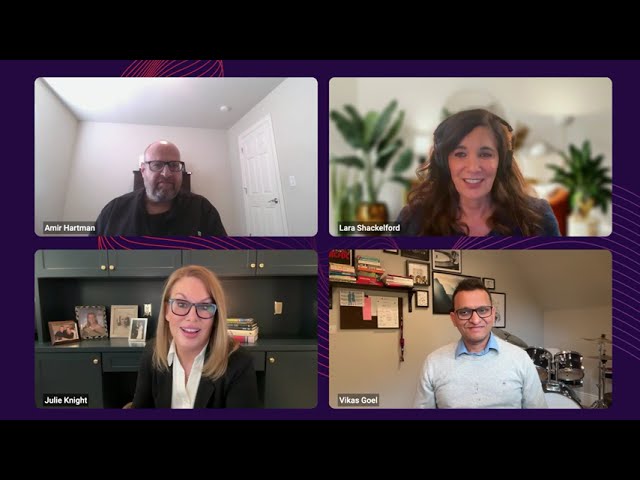

Strategy Magic: How to Leverage AI for Peak Efficiency with Lara Shackelford
AI Summit Forecast '25 Business Model Innovation & Growth Strategies led by Lara Shackelford