Marketing in the AI Age with Lara Shackelford

In this episode of The Digital Analyst, host John Santaferraro interviews Lara Shackelford, SVP of Growth Marketing, RevTech & CRM at iCapital. The conversation explores how AI is reshaping the marketing, sales, and product functions and how organizations can build AI‑accelerated growth engines. Lara describes the shift from traditional marketing automation and MQL hand‑offs to real‑time, signal‑driven engagement, sharing anecdotes that illustrate the human impact of timely signals. They discuss the overwhelming proliferation of AI‑enabled martech solutions (over 15,000), emphasizing the need for governance, cross‑org AI councils, and disciplined vetting rather than ad‑hoc experimentation. The dialogue moves to the unification of sales, marketing, and product, with Lara outlining a practical architecture: a single source of truth (often a CRM), synchronized marketing automation, and outreach tools that exchange signals in real time. They examine AI‑enhanced sales automation—automatic call‑note transcription, meeting prep, and the emerging concept of “communication intelligence” that uses psychographic profiling to tailor persuasion. On the product side, they envision embedding AI‑derived go‑to‑market engines into the product itself, personalizing user experiences based on behavioral segmentation, and even monetizing those capabilities. The episode closes with Lara’s leadership advice: adopt a growth mindset, experiment boldly with AI tools, and constantly question existing processes. Throughout, the conversation blends practical examples, strategic recommendations, and a forward‑looking vision of AI as a unifier across the revenue stack.
Chapters
then the person was able to go and get all these things written up that they wanted to for each of the team members in their own voice. And I was thinking, as you were saying that, why wouldn't you do that for every single customer? So you're speaking to them in their voice, right?
Absolutely.
It's like mirroring is one of the best ways to connect with people, and that's a great way to do it. I love that use case. I think I'm going to package it up for our team.
No charge.
Exactly.
My name is John Santaferraro, and this is The Digital Analyst, where AI makes sense and digital dominance begins.
The Digital Analyst with John Santaferraro, powered by Insight Jam.
In today's fast-paced world of AI marketing, the, the rate of innovation is outpacing the ability of marketing executives to keep up. The marketing technology landscape has grown 100 times since 2011. And now with AI in full-on expansion mode, there are 15,384 solutions in the marketing landscape. Along with new companies entering the fray every day, product innovation is running at Mach speed, with every vendor rushing to release Copilots, natural language interfaces, chatbots, and now AI agents. For most executives and marketing professionals, it is too much to keep up with. They don't have the time to stop and get a master's degree in AI to better understand what is happening, and more importantly, to ascertain where AI is taking the marketing technology stack. For this reason, I'm excited to welcome Lara Shackelford to today's episode of The Digital Analyst. Lara is the SVP of Growth Marketing, RevTech, and CRM at iCapital. Lara has amazing experience as a chief marketing officer in the data analytics and AI industry, where she worked for companies like Microsoft, Intel, Marketo, and Oracle. That alone would be enough to qualify her to speak on our topic today. But it wasn't enough for her. She went to the University of Oxford to get a postgraduate diploma in artificial intelligence. So grab a glass of wine or a cup of coffee and join me on my Tuscan farm in the hills between Lucca and Florence for The Digital Analyst. A big digital welcome to Lara Shackelford. It is so good to have you on The Digital Analyst. Welcome.
Thank you, John. So exciting to be with you here on a podcast after our many conversations over the years and pontificating about AI and data strategy and all the things. So, and then little marketing thrown in there too, right? So thank you for having me.
Yeah. I mean, not to mention, are we allowed to talk about what happened at the Northwest BI Summit? You know, the greatest think tank in all time.
I think it was the night that a few people broke into the kitchen.
We won't mention names.
No.
Oh, that's awesome. I've been so looking forward to our conversation because you are the first guest on my podcast that is not only an AI thought leader, but you're using AI to transform your business. You're in the trenches. You described it to me as building AI-accelerated growth engines, blending data, automation, and real-time signals to drive relevance and engagements across complex B2B journeys. I love that definition. It just, it sounds insanely practical to me, but it doesn't sound easy. Can you describe a little more about what you're doing with AI?
Yeah, it is sure not easy. The change management alone is one of the hardest parts. And, you know, of course, I can't talk much about specifically about what we're doing, but I'll talk about the, you know, the idea, which is, you know, you want to have a signal-driven— so I'm just parroting what you said, signal-driven growth engine. But I love listening to John Miller talk about this because marketing automation— in fact, I remember 2009 when I implemented my first marketing automation system. I had, um, what was the one that began with an A? It was acquired by Teradata. Anyway, that was forced on us and it was not the right fit for us.
Afterdata.
No, it was, uh, anyway, it'll come to me once we hang up, but it was, uh, it was brutal. And then finally we got to, you know, 2012, we started using Marketo at Qlik and then things were really flying and we felt like it was just so mature, you know, the model that we had passing MQLs over to sales and having this data-driven approach. But in the end, the marketing automation platforms really broke a lot between sales and marketing, right? So the idea that marketing was gonna, I swear in my life I was never one of those marketers, but this idea that marketers are gonna generate a bunch of MQLs and we'll agree the handoff, right? And then you agree the handoff and then sales can't convert any of them. And then, well, I don't know what's going on with sales, but marketing's meeting their number, right? And again, not very many people I know have done that, but I have seen it happen before. And it's just this idea, you know, that whole broken idea that customers were not humans, that they were these objects that we pushed through a funnel, right? And I just, now with the signal data that's available to us, we can meet people so much more where they are. I love to tell the story of one of my, a seller I worked with who found out that he was on his way to meet his, oh gosh, it was a Primo that we implemented in 2009. Anyway, seller was on his way to a meeting with a client. Um, and the client called right before and said, hey, I can't make it. I just found out my dog has cancer and I have to go home. And so the guy that was right across the street from the customer's office, and so he went into Publix and went and grabbed dog treats and went and left them at, you know, at the reception for the guy. And the guy is just like indebted to him, you know, and it was what, $15, $20, so like, and half an hour of his life that he was going to spend with a customer anyway, but. You know, that's a real signal he got in real time, right? We didn't need technology or AI for that, but there are so many signals like that that we can learn now and meet people where they are as human beings versus, you know, deciding that we think that their next step should be this webinar or, you know, that person is going to want to receive an email on Tuesday at noon versus this idea of this person's behavior, who they are personally and professionally, you know, that, that is driving how we engage with them. We let, you know, and the buyer's journey has completely changed as we know. So we have no choice. We have to move to this, you know, new world that's not about marketing automation platforms and is about real-time engagement.
Yeah, it seems like some of the secret sauce is this, this place where real-time signals and automation mix. And, and somehow AI comes into that equation. What, what, what is on top of that? I just, I peaked 15,000 different solutions now on the martech landscape. 15,000.
That's a lot. Yeah. Yeah.
And so from a, from a CMO perspective, it's like, I get that you want to do these real-time signals and You want to automate things and AI is going to get thrown in there. But with 15,000 options, it's like, what? How do you navigate all that?
Yeah, I mean, there's so much and it's sadly, I hardly look at my LinkedIn messages anymore. I mean, because of AI, unfortunately, like the good side of AI for marketers and business leaders is these real-time signals that we can get and the ability to, to your point, automate, you know, acting on them. And then the other side of it is just the complete overload and AI has made possible for people to draft all this really crummy content. And, um, and I still, I'm amazed every time I receive an outreach that says, I hope you're well. I'm like, how do you not have that hardcoded into your ChatGPT instructions? Never use that sentence, right? But anyway, it's, it's, uh, I think it's hard. And I, it's funny, I was just telling someone the other day, we were trying to think of a really original webinar. We were going to do something with this really cool company called Goldcast, and they just have like a nice really nice platform that does a lot. We were gonna use them for a webinar and wanted to, and then I eventually thought, why don't I just do good old-fashioned customer reference and I'll, you know, get a panel together and, you know, that just delivers every time. And, and I was thinking about myself because still, if I'm thinking, you know, I wanna know people that I respect, thought leaders in my space, I wanna know who they're working with and who they regard, you know, and I have a couple of CMO friends that we'll check in with each other every few months and say, who are you hearing about? I'm hearing about this company. And, you know, Amanda Kahlo, just, she was the person, the CEO behind Sixth Sense originally. And so, you know, she started a new company. I think it's OneMind. It is. But it's just, I still go back. And the reason I mentioned the references, I still go for references from people that I respect. You know, that's where, that's where I get it. And then I, when you also, when you find people in the AI ecosystem, Sorry, it's a run-on, but when you find people in the ecosystem that you know and respect, you know, like there's a go-to-market engineer at Clay. I just love Clay, by the way, too, for signals and getting that real-time data. But he's so knowledgeable and he has a newsletter called Claymation and I swear I read it every week and every, you know, every time I think when I see him mention another vendor, I'm like, okay, that's on my list that I have to check out. Even if I don't have a call with them, I have to know that. You know, what they're up to. So yeah, I feel like you find those people that you know and trust, and that's still where I get my, get my, uh, sources and vet things.
Yeah, I'm glad you didn't say I just go to ChatGPT. Apparently the network and the community is still one of the most important pieces in developing a marketing technology strategy.
It's incredible. Yeah, it's funny, you go to ChatGPT and you can be as clever as anyone at prompting and do all the things, but it just doesn't hit the real understanding of what would be best in that situation. And yet, you know, I'm sure at some point it will, but I haven't found it.
Unlock better leads through Solutions Review events.
Welcome to Data Demo Day. Expert Roundtable. Solutions Spotlight featuring Monte Carlo, Cohesity, Denodo, Cloudflare, Highgear, Broadcom, NextThings.
Boost your brand with a webinar. That shares comprehensive use cases, real-time product demos, and an interactive Q&A, all broadcast live to LinkedIn, YouTube, and Zoom from our Boston studio or even on location. Fill your sales funnel with high-quality targeted leads and contact us today by visiting solutionsreview.com/virtual-events.
Okay, so back to the technology a little bit. I've been talking about AI as the great unifier of everything, as an, as an interface, as a you know, to everything. And we've been trying to unify analytics for decades, and, and we're probably closer now than ever. We've been working on unifying data engineering, um, and, you know, all of these things are happening. But you're talking about the unification or the intersection of three technologies— marketing, sales, and product— or at least three categories, right? That could be revolutionary if all three of those could come together. I haven't seen it yet, but what do you see happening and what do you think the potential might be when sales, marketing, and product are all united?
I love how you identified that in that way, because it's funny, I've, I'm, I'm doing that and yet I haven't thought about it in that kind of category, but that's exactly it because I worked with a customer once who was, when I was doing some AI consulting, and their product was, you know, they were trying to figure out, hey, when someone goes to this place on our product, they click on it, it usually means that they're, when they go that far, they're usually pretty serious about buying. But then we see enough of them abandon, but if we go back and reengage them, so what they had done is they set up a situation for, they had a dashboard that every day they would get the report of who clicked yesterday. And they would go back and reach out and actually call those individuals or email them. And, um, and they said what really worked was less calling and saying, I heard, saw you click here, because that was creepy and people found that creepy. But they would send an email within a day or two that says, that said, hey, this topic is at a high level, really compelling to people right now. It can help solve these problems. And then they would make sure that subtopic was one of the items in there, right? So it just And they happened to get it, you know, and, but they said when they did that, people would, were more likely to engage and convert. And I, um, and I just, you think about that, it's like, why, why did they have to do that through a dashboard? You know, and then they had to go look every day. Like there should have just been a signal set up from the product to sales to marketing. You know, marketing has, I don't know, in that scenario, there were maybe like 40 to 60 things people could have clicked on. But write an email for every single one of those 60 or the top 20 of the 60, right? And when they click on it, they get an email. And then, and if they get engaged, then the seller follows up with a 45-second video or something. I don't know, 90-second video, but it, it really is that like getting the, the unification of sales, marketing, and product. I think you've hit it. Another example is, um, you know, the sales outreach tools that are out there and there are several. I mean, um, like an Outreach, a Salesloft, a Red Genius, right? People have been using those for quite a while, but the beauty of those lies in having those being connected as part of this, you know, the ability to act on signals. So, you know, in that example that I gave, someone sees that someone, we see that someone clicks, marketing sends them an email on Tuesday morning. On Wednesday, that seller, like I said, sends them that prerecorded video because they're, they're getting the signal, you know, their outreach. Tool, whatever they're using, is completely connected to their marketing automation, right? And it all tracks and, you know, goes back into Salesforce or whatever CRM that the company is using. So yeah, it's a beautiful story. I'll have to find a way to speak to it as elegantly as it's running through my mind.
It's interesting because I spent the early part of my career trying to align those three things as a consultant. And in fact, a lot of my career was spent trying to do that around actually revenue, not around marketing goals or sales goals or product greatness. It was a, it was about revenue, right? And so I understand from a consulting standpoint how to make those things work together, but from a technology standpoint, how do you stitch them together? Because they are, they are separate systems as far as I know, or maybe there are systems that where they have all come together now, but how do you stitch them together?
I tend to default and think that everyone keeps their core data in Snowflake, but you know, there are lots of ways to do that now. But I think you have one system that is the ultimate system of record that is, you know, an application that's often your CRM, you know, and, and then you have your marketing automation platform that syncs with it. And you make sure that your outreach tool, whether it's one that comes with your CRM or it's a separate add-on, like one of the ones I mentioned earlier, syncs with your CRM. I think kind of it all has to have that one place, you know, because then you can push signals back and forth and you can get information that you can then automate and act on in your marketing automation platform. And does that answer your question? I mean, I, that's how I saw it play out at a company that I was working with recently.
Yeah, I, I, I, I, that definitely answers the question. I, I just am concerned because if they all start working together, then none of them will have anybody to blame if the results aren't there.
Uh, it sounds a little bit like people too. Well, I don't know, maybe not.
No, definitely. Let's kind of break it down a little more in these three individual areas, sales, marketing, and product. And let's start with marketing. I mean, there's so much noise and literally we know thousands now of AI-enabled marketing vendors with different kinds of solutions. What is, what is real? And more importantly, what, what should our listeners be investing in when it comes to AI-enabled marketing?
Well, one thing that's important is, um, making sure that you don't have your marketing organization dependent, no matter how big or small they are, that everyone is going to find something that they want to play around with and they think like, oh, this will solve this problem. And it's fun. I encourage everyone especially marketers to experiment, right? And at the same time, you can end up in an organization where you've got, you can, you shouldn't, you don't want to end up in an organization where you've got 7 different, you know, AI video production tools that people are using, right? For all the reasons we know, but especially for compliance. And so I think really like, I think every organization, on the one hand, we're talking about marketing, but every organization needs a cross-org AI strategy now. Or if they don't, I still see companies that don't have one, them, which just amazes me. And they— I think they need some, you know, central AI council, and they need a governance policy. And, you know, if people want to bring on new AI tools, then that should be something that's vetted at a, you know, a central level. And I don't think though that it should be discouraged, you know, like marketing teams. I think there's incredible amount of things that we can do now with video. You know, webinars are getting so much better with what we can do with them and turn them immediately into, you know, lots of content that can be reused. There's, you know, the, the tools like Copy AI and Jasper for writing, which you can obviously, you can do a lot of writing just with ChatGPT, but I like that they're, they get so specialized for our use cases. So I, my thing is I don't want to discourage people, but I also want to encourage, um, you know, unification and a, a shared approach and also, you know, working with the, the right approach from the outset. So like, I, there's one vendor, AI vendor I worked with that I don't wanna name cuz they, they gave us, they're giving us something really big for free as they don't do POCs, but we're, they're doing a POC for us. And it's like, I'm going, I'm putting them through the whole painful onboarding process, you know, like they're going through everything with vendor, even though it's a zero with, I'm sorry, with vendor onboarding, even though it's a $0 contract, because I wanna make sure there's nothing, you know, and I, I'm sure I could go rogue and go and,, you know, just do it under the radar and suddenly there's this video that, you know, from a webinar we did. Oh, sorry. I didn't say that. Um, but anyway, um, but the point is that I think it's so important that marketing organizations, I think you should have a map. These are the, you know, these are the use cases that we want to solve, but you know, and they're, these are the ones where there are tools out there that support them. And these are the ones that are like, we're going to go build agents or we're going to, you know, just, use ChatGPT in this way or build— there's so many scenarios, right? But I think you should have that prioritized list of use cases and start there and then, and then have a cross-organizational within marketing and cross-company approach for vetting things like that. Is that— am I answering your question? I feel like I might be talking around it.
Yes. No, no, I think that, you know, the downside is that it's a complex set of technologies. To do marketing automation. It's not like you buy one tool and you're done, one and done, right?
Exactly.
The upside is that it still requires strategic thinking to be able to figure out which of the pieces to put together, how to put them together, how to deploy them, how to use them within the organization to be able to beat the competition. So it, it, you know, sometimes when we're talking about AI, AI-based marketing and these new capabilities, it sounds like it's going to come over and take over our jobs. But first of all, the pieces don't come together without some, some technical and strategic thinking, and they don't work together for the organization to achieve the goals of the organization without that strategic mind behind them. So there's still a critical role for chief marketing officers to play when it comes to technology?
Very critical with any of it. You only— all you get out of it is what you put in, right? And my favorite questions anyone's ever asked me about AI, I had a peer who said, hey, I just started using ChatGPT for deep research. It's incredible. I lost my whole weekend. And he said, but does it, does it ever scare you? You know, like, do you wish that you had just had a tool like this 30 years ago, and my answer was heck no, because if I, if I, yeah, and there's opportunity for everyone at every level and we should all, you know, be all in on AI in whatever ways are appropriate to our organization. And at the same time, so I, I don't think, you know, people with who are early in their experience, they can definitely get value out of it. But for me, I'm like, God, the things I try to do, I can do them if I didn't have my decades of experience that I pile into the ChatGPT as an example, when I'm talking and I'm like, No, you got that wrong. Go back and fix this. You know, you don't understand a go-to-market strategy needs to include this aspect. You need to think about this. Like it's, you know, it's still, it's a, what is that? What is it? Is it singularity? What is the term when it's like the human and machine just working in synchronicity? That's, that's where I think it, you know, that's where I hope that this ends up is that AI does replace a lot of jobs and it creates as many or more than it replaces with better and smarter ways of working. We'll see. Obviously, none of us knows.
Absolutely. What about sales? I mean, sales— CRM's been around for a long time. Sales automation, new AI capabilities seem to be doing a lot for the salesperson, especially in terms of being able to free up the salesperson's time to be able to do the sales instead of having to navigate the system and work the system. I mean, salespeople are spending an inordinate amount of time just entering stuff into the system. And in many organizations, they just don't even do it at all because it's not in their psychological makeup. So what is the impact of AI on sales automation and CRM, and what is the expected return on investment?
I, I, I just can't wait to see sales teams really thrive through what AI can do for them, um, and is doing. And there must be many out there who have this story just nailed already, but, um, I was at a Salesforce presentation recently and they were saying their number one use case is, uh, for Agentforce is, sorry, I think number one was call notes and number two was account, uh, account, uh, meeting prep, or it was vice versa. Those were whatever it was, those were the top two. And those two things are so simple. And yet, you know, the number of times that sales leaders struggle to get follow-up put into the CRM right after a meeting, especially if it's an in-person meeting where they're not sitting there and calls, having the call recorded and just transcribed for them, right? I think there's just, there's just so much opportunity to, to your point, I can't remember, maybe you remember the number, there was a percent that it's something like 30 or 40% of a salesperson's time was spent on non, you know, non-selling time. Exactly. Yeah. But I think we can automate so many of the things that make their jobs so hard. And then the real, the real brilliance will come in to figuring out how we can engage with their audience in these unique ways, you know, and like, and, and I don't know about you, my whole career, it seems like there will always be at any organization, maybe 2 to 3 sellers. And I mean, I know it depends on the size of the org, but, um, it seems like there'll usually be like 2 to 3 sellers I end up going to who are the real like creative thinkers in how they're going to engage with their clients. And they'll be, you know, like, I know someone at one org who puts a like bright pink silk curtain behind him every time that he gives a webinar to this very serious audience that he speaks to. And it's so not on brand at that company, but, you know, he said, people like it. They like that I don't take myself so seriously. And so I think, you know, those like, let's harness that energy, you know, whatever the ideas that they have that they do differently that helps them to be top performers. And I'll tell you, John, I remember in 2015, we launched, I was at a startup and we had, we did, we baked sales methodology into a SaaS product, target account selling, if you remember way back to the Chaz. And we launched a product at Dreamforce. We heard that Salesforce Max was coming out, was it, wait, sorry, Einstein was coming out. And so we went and launched our max product that was basically how to— the whole idea was help all your sellers, all your reps sell like your best rep, you know? And it was, it was all about coaching, you know, people. It was using AI to coach managers and go, go focus on these deals. These are the deals that are at risk. It was telling an individual seller to, you know, that they needed to reengage with these specific accounts. It's funny because a lot of things we were trying to do, we weren't doing very effectively yet. We That was the vision, you know, we were trying to get there. But today those things are all possible. And, you know, I think it's so many, so much of us, you even go back to, like, I remember when I was at Oracle in the UK in 2001 and we started talking about this, what was it called back then? It was basically single view of the customer, but we had an acronym for it. We still today are trying to get to that single view of the customer. It just, it evolves, right? And there's, there's more that we're able to do anyway.
I'm excited about the individual view of the customer that AI can give us in sales, and especially through the use of psychographics, because if you think about it, sort of the ChatGPT and Gemini and Grok and Claude interface is a language model. And that language model understands personality based on whatever personality tests and measurements are available, and they understand because they have all of that knowledge of language, they know exactly how to communicate to a person based on their personality. I, I don't know a sales rep that knows how to do that. A sales rep is whoever they are and they communicate, but the language model can actually understand the personality of the person that they're speaking to, and they understand how they are persuaded based on their personality, and they understand the type of decision maker they are, either options or or, um, or prog, uh, uh, process, one of the two, right? And literally they can, by creating these profiles of their customers or even buying teams, it's possible to create a, yes, uh, sort of a role-based, uh, a role-based model of the entire, the entire decision-making team at your customer and then craft your presentations, craft your communications all understanding exactly how they're going to view it, what objections they're going to come up with before they happen. This is, this is something we've never had at our fingertips. And it's no longer just the automation. It's, it's actually the communication intelligence that they need to actually persuade their audience.
I love how you call it communication intelligence. And you just gave me a brilliant idea. I, by the way, I love using, um, the tools to create synthetic data and create, you know, focus groups. And when I was working on my, actually every paper in my master's that I'm just completed, um, every one of them, I would create a focus group of my professor. Uh, gosh, I forget what they call the group that grades your papers. Um, but anyway, I would create a focus group of them. Unfortunately, no matter how hard I asked them to be, they always graded my papers higher than they were actually graded in the end. Um, but yeah, there's so much opportunity, but I had a, I was, I was speaking with someone recently who said, oh, I'm working on this project right now and I have to basically give, um, input to each of my direct reports on something and I'm just trying to put it in ChatGPT, but it's so annoying because it spits back stuff and they said, I don't talk like this. And I was like, oh, hold on. I'll send you something after the call. And after, and during the call, I would write down phrases and we can't, uh, like anyway, you know, you have to be careful about recording calls. Otherwise that would have been a much easier way to do it. But, um, but I just grabbed a couple of phrases and then put in my own experience with a person. And I said, now create a 2-page tone and voice document for this person and give me the perfect prompt, you know, that they can put in themselves into whatever language model they're using. And then the person was able to go and get all these things written up., that they wanted to for each of the team members in their own voice. And I was thinking as you were saying that, why wouldn't you do that for every single customer? So you're speaking to them in their voice, right? Absolutely. It's like mirroring is one of the best ways to connect with people and, um, that's a great way to do it. I love that use case. I think I'm gonna package it up for our, for our team.
No charge. Exactly.
Want more Insight Jam? Subscribe to our YouTube channel for Shorts, Panels, Podcasts, and more. In your Shorts feed, enjoy a daily dose of best practices from tech experts and leading solution providers, while long-form panel discussions and keynotes recorded live every quarter go deep on important industry topics. And don't miss our collection of regular podcasts keeping you informed on the latest trends. We're hard at work collecting the best enterprise technology information from around the globe. Around the globe. So subscribe to be notified of our next upload. Now let's get back to the show.
Let's jump ahead to product, um, the third of this dynamic trio of organizations, right? We know that AI is changing the world of coding, but product is so much more than coding. There's opportunities to design better products, be more customer-centric, reimagine old products, innovate new products never before seen in the market. Of all three of these, I'm wondering if perhaps product is the most valuable of the three when it comes to AI enablement. And of course, if product then aligns with sales and marketing, the power of the three is multiplied many, many times. But I'm going to let you decide where to take this discussion. What are the, what are the opportunities that AI brings to the product part, uh, of this trio of sales, marketing, and product?
Hmm. I, well, it's interesting 'cause I think there's a huge opportunity. Every organization, you can bucket people in, you know, into, oh, companies in this industry act like this, but every organization is unique, as we know. And, um, if, if a company has really nailed their go-to-market motion through, I think, smart use of AI to get to signals and engaging, you know, with people where they are, letting them drive the journey. Then I think there's an opportunity for a product organization to actually harness that and package it up because other people aren't there yet, you know. And how do you take the, the, the way that you're acquiring customers, the marketing and sales engine that you've built, and package that up and offer it as part of your product offering? Um, I think that's a brilliant thing that people can do right now and, and kind of get ahead of others who aren't there yet. I mean, you're already ahead of them if you're there. But what I mean is help them catch up. In the meantime, you get to monetize it. But there are so many things that we do now that we, through AI, that can become a part of our, our product offering, right? And so I think just even stepping back and looking at the different motions in the company and figuring out which one of those are truly unique to you and could be valuable to other organizations. And figure out, you know, which ones are worth the investment to go and try to, I mean, you'd have to obviously do analysis, but which ones are worth the investment to go and try to figure out what other areas of product you move into. And then there's also, it's so interesting every organization that on the product side, there's, you know, I like the idea of being able to take your go-to-market engine, you know, and resell it to others when it's, sophisticated enough to do so. And then there's also just this unification that, um, that data you can get today with— through AI, um, that people I think have been trying for, for a long time. But if you think about, like, a company can have notifications that they send out through their product, right? And but then who else is communicating with customers, and how are those people being notified? You know, you've got it customer support group, you've got product communicating, you've got sales communicating and marketing. And I think the opportunity too is to look at all the ways you're communicating with your customers and figure out how you can make those experiences more connected. Because in most companies I've seen, they're still very disconnected. You know, when you're like, wait, that group is doing what? Like, they're not even, uh, unsubscribing their bounce backs because they didn't even know that that was a thing. But they're, you know, it's there's a huge opportunity where data and AI can be, can be this unifier among the different teams and the way they engage and look at like what kind of, um, discipline and tools can you put in place that looks at all the interactions.
I know I'm not articulating it exactly the way I have it in my head, but yeah, man, I mean, I think, I, I think you're kind of getting to the fact too that a, a, there's a potential for a product company to be able to better understand their user base, customers we say, right? But the users of the product, and then to begin to segment those users based on how they actually use the product. It's something that we, I mean, some companies spend a lot of time doing that if they have apps or, or, you know, web solutions, SaaS, they do it. But every product is gonna have digital data on how people are using it. And in the past, we've had one product and many different users. And I think there's an opportunity coming for in the, in the future with AI to be able to personalize the product based on these different segmentations. The example that I always use is I'm an advisor to a company called Organomics that has come up with this system of organizing people based on their personality, their preferences, and their learning styles. And so it basically, they do a personality profile and then set up a system of organization based on that. And when I think of how that's when I think of how that is being done, that, that can be built into a product, even something as simple as email. Email today has become commoditized, but nobody has touched the user interface to realize that there are different personality models in terms of how people want to have their email organized. Some people that are extroverts and highly relational, they might wanna see it by people and not by date and by, topic and in folders and put some faces of the people that matter most to me. I want their emails over here. And somebody who's an introvert might never want to see all of that. They just might want a search interface and be able to ask a question of the email and say, can you please just give me the, this, any emails that have to do with these 7 topics? Done. So I think that when it, when it comes to product, like what we've done in terms of personalization for marketing and personalization for sales, we now have an opportunity to do that same kind of personalization for users within a product. Now think of the power of all three of those things together.
Exactly. Yeah, I think it's this unique opportunity in time where those, those three organizations together can really engage differently and be much smarter. And, and yeah, I love what you just said. I'm gonna look at ergonomics. I feel like I need, I need someone who can understand my, my, uh, my way and help me be organized. Sounds very cool.
Yeah. So, um, one last, one last question. We've covered a lot of ground here, but what kind of advice would you give to business leaders, uh, marketing leaders, sales leaders, product leaders, uh, about growth and the intersection of marketing, sales, and product? What kind of What practical advice would you give?
It's funny, I was all ready to give you an answer that was AI, right? Oh, to go do, learn AI, they should go do this. But it's, it's a, you asked me a question about growth. And what advice would I give them? And I think the, the biggest one, it goes back to the age-old idea of having a growth mindset and what I always tell my team at one, I mean, I'm going to address the AI piece just to be sure that's not a stone that I leave unturned, but But then I'll go back to the kind of overall larger thinking. But I mean, if with AI specifically, it's just get in, you know, get in and mess up and, you know, figure out what works and doesn't work. And like the best way is just to start and get into a tool and get in NotebookLM and create something, do a, you know, create a podcast from just information, you know, like there's so many things to do and we need to just try and, um, The more that we try and experiment with the different tools that are available, we'll just be smarter. And then of course there are, you know, the people that I think are just the experts like Ethan Mollick and Paul Raetzer does such a good weekly, to know he does two weekly podcasts, you know, from the Marketing AI Institute. And I tell everyone I know to follow him. Um, I should start getting referral fees from him at some point, but they're, uh, they just make AI so approachable. Um, So from an AI perspective, I think there's lots of opportunity. But overall, what I keep telling my team, I'm like, question everything. Like, this is a world today where we should question anything that we think, oh, we usually do this. No, like, ask yourself, can we do it differently? Can we do it better, faster, smarter? Like, this is the one time everything is on the table. And I think that's such a beautiful thing. And it just, it, every time we were like, we stop and we question something now. There's like, wow, there are 18 different things that we, ways that we could do this and make it better or stop doing it, you know, stop the, there's so much of the stuff that you and I, I know I've done over the years in our careers where you think like, this is madness. Why are we emailing these people 18 times a month as an example? Not that I'm doing that, but you get the idea. And, um, and just so many of those things, they don't have to happen anymore. You know, we can figure out smarter ways through them. So I like to question everything.
Yeah, I love that. I just recorded a podcast this week with Cloudera and one of it for that one quick thing that they wanted to know the advice that I gave, it was question everything. I, you're like, oh, great. You couldn't have listened to it. It's just that we, we have this Vulcan mind meld, I guess. Right.
That's amazing. I love it. Well, we give good advice.
Well, Lara, thank you so much for joining The Digital Analyst. This has been a pleasure. I hope we can do this again sometime. It's exciting to hear what you're up to with AI and with, with sales, marketing, and product.
Yes, I love the convergence there. So thank you, John. It was a pleasure.
Hey, thanks for joining The Digital Analyst today. If you enjoyed today's podcast, will you do me a favor and like and subscribe and share down below? If you're interested in contacting me, definitely let's connect on LinkedIn and continue this conversation about how AI is changing the world. If you want to connect with Lara Shackelford, best bet for her is also connect on LinkedIn, and I'm sure she would be happy to have a conversation with you about the work that she's doing. Most importantly, go to insightjam.com and check out the insightjam.com YouTube channel where there is a million, yes, 1 million different subscribers to this channel. We hit it and it's fantastic. There are hundreds of great videos there, great content all about the technology industry. So definitely go check it out and we will see you again in 2 weeks.
Powered by Insight Jam.
More from Lara


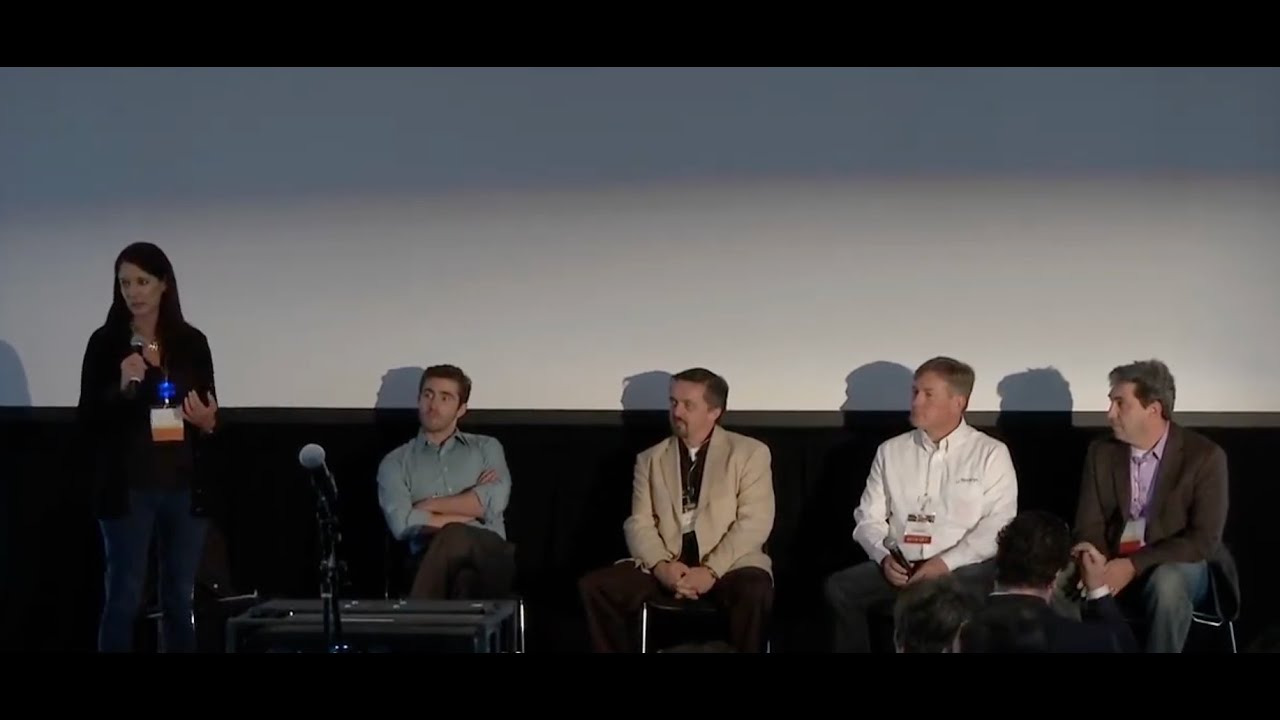
C Summit 2013 No, Really These Companies Transformed Their Businesses Using Cassandra
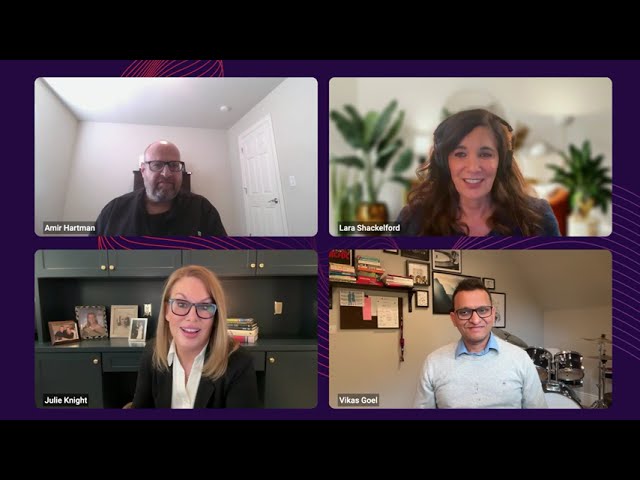

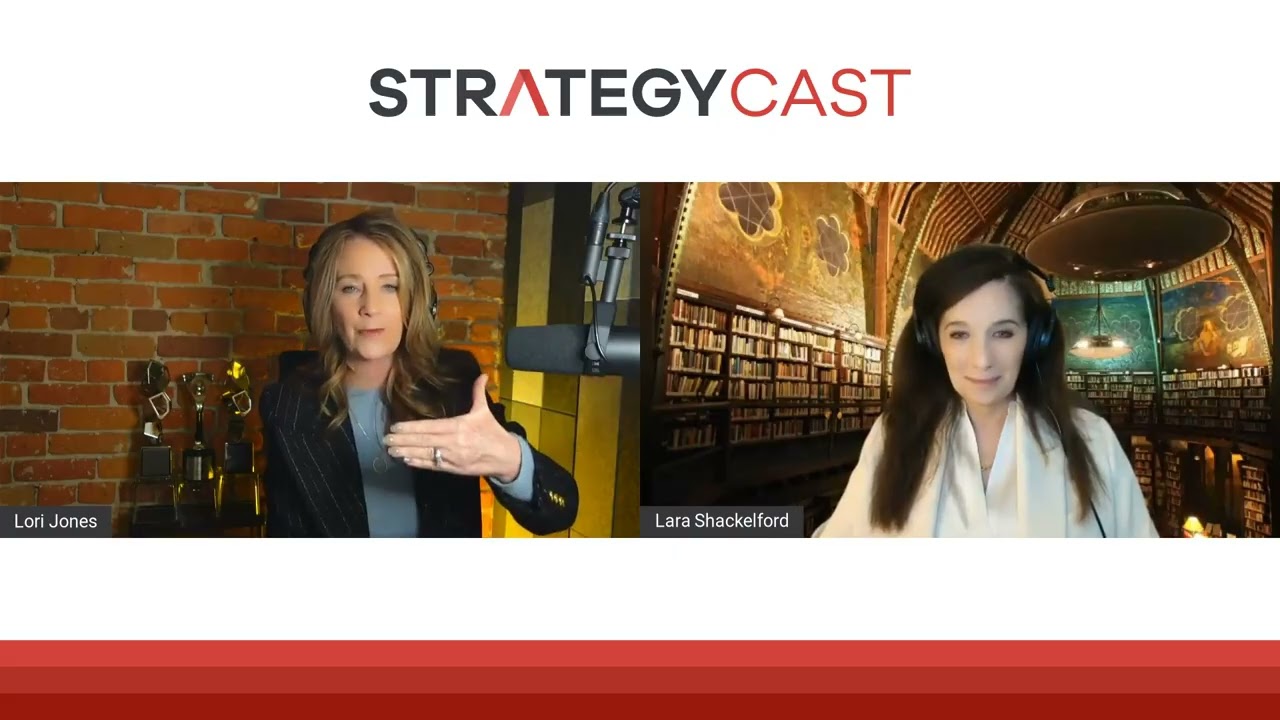
Strategy Magic: How to Leverage AI for Peak Efficiency with Lara Shackelford
AI Summit Forecast '25 Business Model Innovation & Growth Strategies led by Lara Shackelford