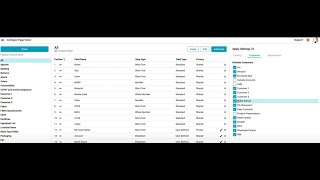
Four warning signs your product lifecycle is broken: outdated tools, overwhelmed teams, siloed data, and no transparency. PLM software fixes this with cloud access, real-time collaboration, faster launches, better quality, and higher revenue.
Chapters
Should your team invest in PLM software? If your product lifecycle seems sluggish, the answer is probably yes. Here are 4 signs that your product lifecycle is sluggish. 1. You rely on outdated tools. Do you still send hundreds of product data PDFs and spreadsheets over email? If so, you're at high risk of errors and miscommunication. These errors often lead to significant inefficiencies and quality control issues. 2. Your teams are overwhelmed. Your teams have to create and maintain thousands of new products. They're also expected to reference and compile data from previous product lines. This bogs everybody down with manual data retrieval and takes time and resources away from innovating and improving product lines. 3. Your data is trapped. Inefficient product information management causes data to be siloed in disparate formats such as spreadsheets, PDFs, and emails. This often means that external stakeholders aren't on the same page as the retail retailer. Not being on the same page can easily cascade into problems, lost time, and reduced product quality. 4. You have no transparency. Ineffective communication hinders collaboration and erodes trust. Teams often find themselves in the dark with little insight into how decisions are made or why changes occur. Without a transparent system to track and document decision-making, internal and external teams are left feeling disempowered and disconnected. If you've observed any of these 4 signs in your business, chances are you're paying a heavy cost. Retail operations have many moving parts. When an issue occurs at some point in the process, the whole cycle is disrupted. Your team shouldn't be constantly scrambling to keep track of basic information like the most up-to-date specs for each of your products. The whole product lifecycle should be automated and available on the cloud. That's why we've compiled the top 5 reasons you should implement a PLM solution. The first: readily available data. PLM systems can make your data accessible on the cloud. That way, you and your collaborators are always working on up-to-date specs in a single unified platform. When everybody is working from the same source of truth, there's no chance that any member of your internal or external teams will be working from outdated specs. The second: improve collaboration and communication. The speed and efficacy of collaboration skyrockets when everyone is on the same page, especially when the PLM system includes a product-based messaging platform. This allows your team to discuss plans and specs with all key stakeholders in threads specific to products and projects, and it totally eliminates email scavenging. The third: streamlined workflow. The hundreds of products moving through your development pipeline are now much easier to track when you can easily see what everyone across your teams is doing. You can seamlessly work with and refer to product images, product details, line sheets, quotes, and purchase orders. Plus, you'll have the transparency to immediately identify problems and unclog bottlenecks. The fourth: better product, better business. It's easier to deliver a high-quality final product when your workflows are humming along at full efficiency. You'll be able to easily deliver the right products in record time, making it easy to capitalize on emerging trends before the competition. The fifth: increased revenue. A PLM helps you quickly get better products across the finish line. The positive effects from this cascade into both top and bottom line revenue streams. On your top line, more products are sold because they're on trend, more consistent, and of higher quality. On your bottom line, you get a better margin on your products because development is shorter and more streamlined. Now you know why your team needs a PLM system. Retailers who implement a top-of-the-line PLM solution can easily access data, collaborate on a unified platform, streamline their workflow, and ultimately deliver a better product at record speeds. To learn more about vetting and obtaining the right PLM system, download our complete guide to purchasing and implementing PLM software.