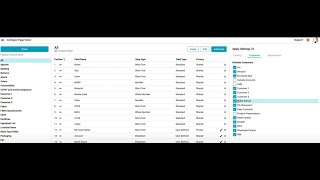
A framework for implementing PLM software in three phases: internal setup with data migration, rapid partner onboarding, and ongoing optimization. Shorefront clients see an average 10x ROI, with most gains from automated vendor collaboration.
Chapters
Once you've found the perfect PLM solution, the implementation process begins. Successful implementation is essential if your goal is to maximize ROI. Failure to onboard all team members and stakeholders, or not taking advantage of the full PLM toolset, can leave a lot of value on the table. That's why we've compiled some of our top tips and observations to help you hit the ground running. First, let's map out an implementation timeline. Phase 1: Onboarding your team. Set your PLM project up for success by insisting that your software provider designate a customer success representative to assist in onboarding. This rep should be available to provide live demos and answer your set of questions during business hours. You'll also want to be sure you have a plan for migrating and building out your product data infrastructure. Once that's set up, import your product data, set up your workspace, and get your teams trained. Phase 2: Training external brand and vendor Train your brand and vendor partners. With your product data migrated into your PLM system, you're ready to start training brand and vendor partners. Remember that not all PLM systems have functions designed to streamline collaboration between internal and external teams. If you've opted for an internal-only solution, this advice will be less relevant to you. That said, if your PLM system does enable external product collaboration, you'll want to get your partners onboarded as quickly as possible. The most significant productivity gains that we've seen with our own clients clients has been a result of automating external collaboration. That's why we believe in prioritizing brand and vendor onboarding early on. The best way to onboard external teams smoothly is to walk them through the process, get feedback from them about how the system is working, measure their results, and develop user stories that can help to onboard future teams. The growth after successful PLM implementation across internal and external teams is astronomical. We found that the average Shorefront client achieves 10x ROI in the first year. A huge chunk of the success stems from automated vendor collaboration. Phase 3: Optimizing your PLM processes. The bulk of your initial PLM implementation will be spent encouraging team members to lean into the system for everyday tasks. As PLM adoption grows across your enterprise, seek feedback from stakeholders to ensure that they're comfortable using the system. Finally, always be vigilant in reviewing progress press, reporting on metrics, and sharing results with your team. Nothing energizes the team like seeing new products accelerated to market at record speeds and with far less hassle. Successful PLM implementation gets you on the fast track to improving your product collaboration process. Improvements in product collaboration ultimately lead to increased speed to market and a more intuitive product development approach. To see a more detailed view of the implementation process, download our complete guide to PLM implementation. The The guide features a detailed checklist you can use to walk through the implementation process step-by-step. Download a free copy today!