Triumph After Tragic loss... Ep 18
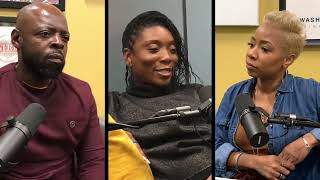
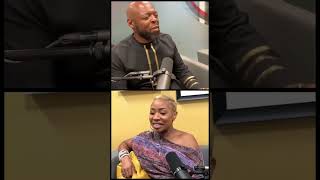
Shamika lost her mother to murder and her father to suicide on April 27, 2003, then her brother in 2008. She talks with Armand Kadima about how staying in school, mentoring young women, and spiritual practice helped her move through grief without trying to heal it away.
Questions this video answers
April 27, 2003.
20 years old.
February 7, 2008.
2001.
2007.
Chapters
Throw you that way, right. You're able to be controlled and capitalized in the system that, you know, this capitalistic system that we unfortunately find ourselves into, you know, even this entire experience, even with, you know, police brutality, right. It gets monetized.
Right.
Because the media is, you know, the ratings are through the roof because everybody wants to hear what's going on. So, you know, it's almost like it's a, you know, it's a Super bowl or a big sporting event when something like this happens, right? Commercials, you know, advertisers make money, more money because more people are watching tv. Like, literally this has become a ploy to drive the economy.
Yeah.
And when you were talking about being traumatized, I think that also goes into, like, the, the feelings of depression and all the other, you know, diagnosis that we tend to get because of the trauma that we're experiencing. And so if you think about it, when, when you're watching tv, the commercials, they end up being like the commercials for depressive med, antidepressant medications or, you know, or going to therapy, things of that nature. And so why is that happening? Because they know exactly the state of.
Our people right now.
Exactly. So you get this information from the media and then they give you what you need to, like, balance the information that you're getting, the trauma that you're receiving from watching this over and over. And then social media has now become the new media, you know.
Exactly. Exactly. So no experts. Yeah, not many experts. Just people just. Just free to just say, actually do anything.
Everybody's an expert now in reality now.
Right.
You know, it's sad, though. It's sad because you don't know what to listen to.
Right.
What to believe.
Right? Yeah.
You know, but that's why we do this podcast, you know, because we like to spread consciousness and from different perspectives because, you know, it's not a one size fits all thing.
Right. We.
We heal differently. Especially when you talk, when you talk about death. You know, everybody's experience with death is different. Everybody heals differently, grieve differently.
Right.
So, you know, I guess that's a good thing about social media because you get to, you know, relate. You get to, you know, see what resonates with you.
Right.
Like, you, you got so many different circumstances and situations, and you could just find what resonates with you, but know how to filter out the bs.
So I think that's kind of the problem because you have to think about it. When we were growing up, there was a clear delineation between was for adults and was for children. And now everyone has access to the same media. And so you're exposing children to something they are unable to handle.
Absolutely.
You know, and we don't prepare them for that. And so you have children that's growing up in this society, and then they end up making these mistakes, and they don't understand where that's coming from. And so I think I don't have children, however, I think that we're not parenting the way that we need to. You know, I'm a. I'm not a biological mother, but I'm a mother to many. Okay. You know, and so. Yeah. Yeah. And so I still try to do it my part by, you know, parenting as much as I can, teaching, you know, others.
Okay.
You know, a way to go. And then kind of like how to filter. How to. How to take in that information. How to understand what you're feeling. Understanding emotions.
Yes.
Regarding a situation and then understanding what to do when you're placed in a situation, such as, you know, Tyree Nichols. Yes. Or any of the other, you know, young people that we've lost, you know, to senseless crime. Right, right.
And I'm sure that comes from experience.
Absolutely.
You having to deal with that yourself.
Absolutely. Right. Would you.
Would you mind sharing any.
Absolutely. So, ah, where do I start? Because I always think that it's important to, like, to build the story so you can kind of understand instead of just like, ruin it. Right at you.
Absolutely, absolutely. So.
So for me, I am the youngest of five children. Okay. My parents, they were married for 26 years. Yeah. Okay. For 26 years.
Beautiful thing.
Yeah, absolutely.
Like love, right?
Absolutely. And I was daddy's little. Little girl, you know, that was like, I love my daddy, you know, and to this day, I still love my father. So, you know, being the youngest, you don't really get to see or really understand everything that's going on. So the experiences that my siblings had. I didn't have that. You know, I was the baby.
So I was a little easier for you.
Exactly.
I was able to get everything, you know, I'm just like, what are you talking about? Daddy did what? Right. You know, so. So, yeah. So when my parents divorced, it was tragic for me. I was in the sixth grade and I just. My parents were splitting up, and I'm like, what is this? You know?
Exactly.
Later on, I started to understand it, especially as an adult, I definitely understand, you know, like, the tragedies that occur in the relationships. But so my parents, they were divorced for seven years. They both remarried. Okay. And they only remarried like my mom remarried, because, like my parents, they were together since I high school. They got married at 18, and so my mom was a nurse. My dad joined the army. And, you know, when he. Apparently when he went to Vietnam, that changed him. And so when he came back, he became abusive, which, again, I didn't see. I didn't experience that. So. So with that, you know, my mom experienced a lot, so that's what ultimately led to the divorce. And my older siblings also experienced a lot, and that's what led to it. So. So my parents, again, they were divorced for seven years. My mom remarried, so my dad remarried, you know, and then I will never forget. So I graduated from high school in 2001. So maybe Christmas. Did you. Yeah, I'm telling my age, but I look good, so.
Yes, you do.
We look good. So Christmas of 2002, my entire family was there, so my brother was there. My brother was kind of, like, in and out of jail, like, his teenage years, unfortunately. And we can talk about that in a second, too, because that's another death that I experienced, Unfortunately. But in 2002, everybody was there, like my nieces, my nephews. My dad came from Arkansas because that's where they're from. And so when they got divorced, he moved back there. So he came back, and we had the best Christmas ever. And so at this time, of course, I'm in college, and my parents, they were, like, not really happy in their relationships, and they both were, like, going into, like, separations of their second marriages. And so I'll never forget, after Christmas, my mom called, all five of us kids and said, what do you think about your dad and I getting back together? And we were all like, yeah, of course. Right? That's how it was. Right?
Yeah.
Yeah.
Oh, wow.
Yeah. So they. Ultimately, my dad, he moved back to Georgia, and that was the plan for them to get married. But my parents, we grew up in a very Christian household. My father was a pastor. Oh, yeah. Yeah.
I grew up in church.
Yeah. Every day. Every day of the week, so. So they like to do things the right way. But my dad was so excited about coming back and getting back with his first love that he moved into my mom's house. And my mom was like, no, we're not married yet. But that's kind of what it was. But at that time, my oldest niece and my oldest nephew were living with my mother, and they were kind of unruly children. And my dad is a very. He's a disciplinarian or he was Disciplinarian. And so he did not appreciate the disrespect of my niece and nephew towards my mother. Okay. So he was trying to discipline. And when my mom saw the discipline, I think it kind of like, triggered some PTSD that she had from the abuse. And so she decided she didn't want to get with him, you know, and my dad couldn't accept that. So from there, my dad became very depressed. And I'll never forget, he called me and he said, you, mom didn't come home last night. And he was just sitting in a parking lot of Walmart, And I was in college, and of course, I didn't know how to handle anything like that. And so I was just like, okay, well, I'll call her, you know, later on. And I said, dad, everything's going to be okay. So I think that was a Friday or so, or maybe a Saturday, I don't know. But I called my mom, and I was so upset with her. And I'll never forget the last words that I ever said to my mom, which is horrible. And I told her, I said, don't ever talk to me again. Yeah. Because I was upset.
You were upset.
I was upset. I said, how would you let dad come back? Moved all the way back to Georgia, and then you decide that you don't want to be with him. You can't do that, you know? So those were the last words I ever said to my mom. So I went down to Columbus that Saturday, and I did not go see my mother. They were at church. I went to the church to go get a key from my niece to go get something out of the house, and that was it. I did not go see her that Sunday. I went to church with my godmother, and I'm sitting in church, and my phone was on silent. When we get back to the car, I look at my phone, and I see all these missed calls, and I listen to the voicemails, and it's my siblings crying, daddy killed Mom. Yeah.
No.
Yep. So I was like. And I called one of my sisters, and I was just like, what's going on? They're crying. They're all outside of my mom's house. And they was like, you need to get home. Because nobody knew that I was in Columbus. They thought I was still up in Atlanta. And so I. My godmother, she drove real fast to get me down there because we were, like, in North Columbus. And so we got down to where. Where my mother's house was. And then it was so crazy because, like, we're on this street and the street was really busy and she needed to turn onto the road where we lived. And I was like, I'm not waiting. I jumped out of the car, ran in front of cars, running up the street because I'm like, this can't be real. And I see the yellow tape around the house and everybody in the neighborhood outside, and I see my siblings standing there just crying. And so what happened was my mom that Sunday, April 27, 2003. So I'm coming up on my 20th year of experiencing my parents death. My dad was in the house, my mom was coming to pick up my niece, and I actually had two other nieces that were there. She was coming to pick them up so they can go to church that Sunday. And my dad was in the house waiting on her. And apparently she came in to pick them up and he picked her up by her neck and put her. This is a story that I heard from my niece. Picked her up by her neck, put her against the wall, and had a small handgun against her jaw, asking were they gonna be together or not. And I guess she, at that point, because I can find the beauty in everything. You see how easy it is for me to talk about this. At that point my mom said, no, this is what my niece said. And I was like, that's strength. Looking back. That's strength with a gun to your. With a gun to your, to your face, to your jaw. And you tell him no. Yeah, so he shot her in the jaw. My nieces, they ran out and apparently like when EMS found her, she was on the bed. So apparently he took her to the bed and set her down and. And he had another, like a shotgun, and he put it up to her temple and he shot her on the bed. And then apparently he came to the door because I think someone saw him. He came to the door and he was kind of disoriented and he was saying, oh, I killed her, I killed her, I killed her. And then he, next thing you know, he went into the same room she was in and he put the gun in his mouth and he killed himself. He shot straight up and killed himself. So. So that was the moment apparently when we were standing outside. My dad was still alive when Ems got there. And so my dad, they took him to the hospital and we were just like, why are you taking him? Take mama, you know. But she was dead on the scene. So we were able to get to the hospital. And my dad had just passed right when we got there. But yeah.
Oh, Shamika. I'm so sorry to hear that. That is tragedy.
It is tragedy. It is. I was 20 years old when that happened. 20 years old.
I'm so sorry.
Yeah. The thing that bothered me the most was the last words that I ever said to my mom, you know, and so moving forward, like, I've learned so much from this. And, like, what did you learn from this?
Like, I'm just curious.
Oh, my gosh. It's so much. I can, like, pick different parts of the story and kind of tell you different things. So again, when my mom was able to say what she said, that was strength. Strength in that moment. Standing up for what you believe. Standing up, you know, to your. You can say your oppressor, you know, and, and, and, you know, being your. Your own advocate, you know, and being true to yourself and not just doing something because someone else want you to do it, you know, but also in that situation, as I got older, understanding relationships and how I wanted my parents to get back together for my own selfish desires, you know, it wasn't because of who they were and the things that they experienced. Because I was young at that time, I didn't understand that, you know, but experiencing relationships as an adult, it's like you have to be true to yourself. Understand what you desire in a relationship and do that. And if this person is not serving you, then it's okay to walk away from that. And not only that, like, in order to be in a relationship, you have. You have to behold yourself. You can never get into a relationship thinking that someone else is going to complete you or. Yeah, yeah. Because if you think that someone else is supposed to complete you, then that means that you are a complete mess yourself.
Absolutely.
You know, and so everything is internal. And quit seeking external factors to fulfill your internal needs.
Absolutely.
So it's a lot of things I can go on and on because it's so many. I can, like, dissect this whole thing and tell you the things that I've learned, but also, you know, with my father, because, like I said, I still love my father to this day. That's my dude. You know, I was daddy's little girl, and my dad always praised me. He'll come home from work, I'll be, you know, would be outside playing with my. My friends, and I'll see that red and white Chevy getting ready to turn down the street. And he had this same routine backing in, you know, and as soon as he got out of the truck, I'm standing there jumping up and down, and he picks me up and Swings me around, you know, that love, that fatherly love. Your father, as a young girl, that's the first man that you ever know.
Yeah. And experience love from.
Exactly.
Absolutely.
Exactly.
And even that's very profound because even knowing the circumstance, you still have that much love for your father. So I'm just curious to. To know, what did you tell yourself after that? Like, because you had to say, I know dad was going through something.
Yeah.
He wasn't himself.
Yeah.
What did you tell yourself about your father? To put you at ease so you could say, I still love my father.
That took some time. So I think the fact that my father, first of all, he has never. He had never done anything to me, and I can't take someone else's pain, you know, and make it your own. And make it mine. Yeah. I had my own relationship with my father, and that relationship was really good.
Yeah.
You know, I know that others. No one else in my family can say that, but I can. So I know what that love. That love feels like from a man. Right. You know, from my father, I know what that feels like. Right. And so understanding that. And I have learned to compartmentalize because a lot of people ask me, how did you keep going? Why did you keep going?
Right.
You know, and. Because I was a sophomore in undergrad at that time, and. And I. You know, my professors, they were just like, take your final whenever you want. Or some of them said, okay, you know what? Your grade that you have in class right now, that's your grade for the semester. I was like, okay. But it was instilled in me in a very young age that, you know, you. I don't know. I don't even know how to say it, but I've always separated, like, my personal life from my professional life. Yeah. Completely separated it. So I knew, do good in school. Do good in school. Before I even went to kindergarten, I knew I wanted to be in the medical field because my mom was a nurse, and my mom was a nurse. And I said, you know what? You're a nurse. That means I'm supposed to be a doctor. That's what I said before I even went to kindergarten. So where did that come from?
Right.
You know, so with that being said, it's like I made straight A's in school. Like, I may have acted up at home. Right. Right. But when I went to school, I knew you act right, you do your work, and that's what I did. So I got all the awards. When I was in grade school, I did everything I was supposed to do. I graduated in top 10 in my class and in high school, and I got so many scholarships to go to college. Like, college was paid for, undergrad was paid for, and my scholarships even may help me to purchase my first car. Like, seriously. So I.
So parents did a great job raising you.
Absolutely. So I compartmentalized, and so I knew to keep going. And so although I'm dealing with this personally, you don't allow that to affect your schooling because this is what's allowing you to get to where you need to be in life.
Was it also part coping?
It was. So that's the second portion of it. So I knew that if I ever stopped that I would break down.
Yep.
So I. It's. God is amazing. Oh. So let me tell you this. And I. I'm talking so much.
No talk.
It's okay.
This is what we're supposed to do.
You dropping some jewels there?
No, this is the purpose.
Okay. So when after. Well, I didn't even get a chance to tell my parents that I was changing my major because I was like, oh, I don't want to go to medical school. I didn't think that at that time of my life that I could make a decision for what I wanted to do for the rest of my life.
Because you was in trauma. He was dealing with a lot of things.
Yeah. But at the same time, I hadn't experienced life. I just was going through the motions of do good. You go to school, you finish school, you know, high school, you go to college. Right. You know, I was just going through those motions and never really thinking for myself and never experience in life. But I changed my major. I said, I don't want to go to medical school. I want to go and be a physician assistant. And so I don't want to take biology pre med anymore. I'm going to switch and I'm going to take respiratory therapy because then I'll be able to get some experience in medical field and then go to PA school. So I made that decision before my parents passed away. Like, I didn't get a chance to tell them. However, in making that decision, I was able to graduate. I don't know the day that I graduated from undergrad, but let's say I graduated, like, May 14th. The school that I wanted to go to, I only applied to four grad schools. The school I wanted to go to was the school that I got accepted in.
Wow.
And this is nothing but God. Yeah. Right. Because that school started immediately after I graduated from undergrad. So I graduated. Let's say May 14th. I drove to Philadelphia. May 16th. I started PA school. May 18th. Wow. So I was in school for six and a half years straight, and that was my coping mechanism.
You were driven.
Yeah, I was staying busy because I knew, yeah, I was going to break down.
Absolutely.
But also, if I stopped, what was I gonna do with my life? You know?
And a lot of people find that thing that they cope with, you know, whatever it is, you know, and you're blessed to be. To have been able to find that thing and have that thing. Was it the same for your siblings? Were they able to navigate through that the same way you did?
It's funny because, you know, you can all be raised in the same household and you're all different.
Very much so.
You're all different.
Oh, listen, I understand.
I understand.
But were you are able to be a voice to them, to. To help them through it? Because you seem like you're very headstrong.
You know, I'm the baby.
Yeah.
I was the one that was spoiled and got everything that I wanted.
Yeah.
Nobody's going to listen to me, really.
And that's how. Is that how it still is today?
Yeah, pretty much.
Okay.
Pretty much.
Yeah.
But. But, yeah, no. I mean, everybody kind of went their own route. And one of the things that I think was kind of, you know, looking back on it, no one. We never grieved together. We never did that. Everybody grieved in their own way.
Yeah.
And I think we're not as close as I would like for us to be. Right. And I think that's. That plays a part in it. But, yeah, everybody just did their own thing.
Yeah. And that happens. Yeah, that happens.
Yeah.
You know, grieving is going to be different for each of you. You know, just like you said, you were all in the same household, which. Totally different.
Totally different. Yeah.
Yeah. Well, thank you so much for sharing.
Yeah.
So when you speak of what you have to offer, you know, children, I get that. You know, and that's. That's special, you know, that's. That's definitely special to have that, you know, that experience and.
Yeah.
To be able to help a child through that, you know, or anybody through that, because losing someone is not hard. And multiple people at once.
Yeah.
That's not easy. Shall I say, that's not easy. That's very hard. And God bless you. Like. No, really, that is.
Yeah.
Yeah.
I. I like taking tragedies and turning it into triumph. Yeah. So even when I graduated from grad school, I had a desire to teach young girls how to survive any trauma that they've had in their life. Because, honestly, anything bad that you think can happen to a woman has happened to me.
Absolutely.
Name it, it's happened. And so with that, when I first came back home, because even again, I was like, okay, I'm going back home, and I'm gonna find me a job. However, I need something to do. Right. You know? And so at that time, I had a niece that was in high school, and her parents, they had divorced some years earlier, and so she was living with her father, and they had some hardships, But I wanted to make sure that she did not allow those hardships to stop her path. And she had friends in school that were dealing with some things as well. But not only that, she seemed to attract other young girls in high school that were dealing with things. And so I decided to start an organization. And this was, like, in my very young entrepreneurial mindset. And so I didn't know, okay, you can try to apply for a grant. You can do this, do that. So I was doing it all on my own. Right. So I decided to start an organization that. Without, like, actually starting an organization.
Yeah.
But it was for young girls. And I'm not gonna say what the name of it is, because I still want to go back and do it, and I need to, like, trademark it.
Right.
But it was for me to reach out to young girls who were transitioning into adulthood. Okay. And so, basically, young girls, I couldn't do anything with girls who were, you know, pregnant or had a kid, because I don't have that experience. But other young girls who experience tragedies in life. I used to go down to Columbus on Saturday mornings and pick all the girls up. We would go, you know, maybe to a restaurant and sit and just talk. And we created a safe space to talk about everything that was going on and to, like, encourage each other, motivate each other so that we can continue to move forward in life. And all of those girls either went to college or they went to the military.
Look at that.
Yeah. Yeah.
That is awesome.
Despite the triangle.
That is awesome.
Absolutely.
And we need more people like that because that's. That's how. That's the village. You know, we speak on that often. Yeah, no, because we need that.
We need.
We need people who've been through stuff to, you know, help us navigate through.
Life, pass the torch, you know, and.
Support, you know, whether it be, you know, support. Like, emotional support.
Absolutely.
Whatever kind of support. Like, we need that.
Absolutely.
Because we don't all. Everybody don't always get it from their. Their.
Absolutely.
You know.
Absolutely. And I taught those girls, like, to read books. So, yeah, that was the thing. It's like I would buy a book and I'll never forget because I was still heavily in church at that time, and I was attending one of the mega churches here in Atlanta. And the pastor, he always wrote these books. And there was a book that I absolutely loved at that time. It's called guard your gates.
Okay.
And, you know, we take things in through our gates. So whether it's your eye gate, your ear gate, your mouth gate, you know, these are your gates. This is how things enter into your body. And so I was teaching those girls at that time to guard those gates. Watch what you listen to. I mean, like, you know, watch the music that you listen to because it has an influence over you. Watch what you're looking for, looking at on tv, you know, because that influences you. As we were talking about earlier, you know, the social media and, you know, watching TV and all the trauma, because that affects you. Whether you know it or not, subconsciously, it affects you. And you can find yourself acting out and doing things. You're like, where did that come from? You know, so if you're exposed to something like, let's say that I'm poking you on your. Your shoulder, it doesn't hurt, but if I keep poking it, it's gonna bother me. Absolutely, absolutely. Absolutely. Yeah. So I was you telling. Teaching those girls that. And, you know, like I said, I'm just happy that they all did something with their life.
That is awesome. Do you still keep in touch with them?
I haven't in a long time and that, you know, but I said I want to, you know, start back doing that. I did in the first. Because I graduated from school, from grad school in 2007.
Yeah, yeah.
Tell me my age again. It's okay. It's okay. So, of course, my niece, of course I keep in touch with her, but yeah.
Yeah. Wow. What an amazing story, Shamika. And you are.
You're heaven sent.
You know, you've been a blessing to many young girls, you know, been able to be a gift to many young girls. And that's awesome. That's awesome. And turning your tragedy to triumph.
Yes.
You know, it's a story in itself.
Yeah, yeah, yeah, absolutely. I think you can't. You can't stay there.
You can't stay there.
You can't live in your past because unfortunately, I have a sibling that kind of lives in the past. Yeah. You know, and you can't do that.
But it's so easy to do that.
It is. It's.
You know, it's. It's not easy for everybody to move on and to move past trauma. You know, you really have to want it.
Yeah.
You have to. And to be around people like yourself, who influences that and to help push you to move past it is.
Yeah. The thing is, it doesn't feel good. So why do you.
Why do you want to not feel good? Because. Not. Because people get comfortable. Comfortable with it. It's like. It's like their norm. I know. And it's so bad with some people that even when they get out of it, they look for it in other people. They look for that, you know, that hurt or those same traits that hurt them in other people and don't even realize it because it's that trauma that's built in you that you can't move past. It's like, you have to heal.
You do.
And not everybody know what healing looks like.
It takes time. It takes time. Yeah.
But people don't even give themselves sometimes, you know?
And grace. And grace.
Grace.
But it takes time. But. So I'm not perfect. I have made my mistakes at all. I can look back in my 20s and my 30s, and I'm like, girl, what were you doing? You know, because I was that person still seeking external.
Exactly.
You know, to fulfill internal voids.
Right.
You can't do that. You cannot. And, like, even though I. I knew the lessons, I would read the books and do everything that I needed to do, it's still like, you have to go on that journey. Right. You still have to do that.
And, like, it sounds good, but you're.
Not practicing it, or it's easy to.
Get food, you know?
You know, you may get around a group of people. It seems like they're practicing, but at the same time, it's like, when they're not all the way in the right place, then it's easy to kind of get you, you know? Yeah. Trickery. Yeah, Trickery.
Not to revisit the trauma, but you mentioned. You mentioned something about your brother earlier. You said that's another.
Yeah.
Death that you had to experience.
Yeah.
Would you mind, you know, elaborate a little more about.
Absolutely. So my brother. So my brother, he was the only boy out of the five of us. Oh, wow. So it was only boy. The only boy. So I like to look at it like we were the Cosby Show. So we were not the Cosby Show. You know, my brother was. Was, like, right in the middle of two Girls on each side, you know. And so my brother, apparently, he was a star athlete, and my father took him out of football, and that kind of traumatized their relationship. I don't know the details of it, because, again, I was the baby. And so I think my brother was yearning for a relationship with his father and never got that. So my brother turned to the street, of course, like a lot of young, young guys do. And so he was, you know, looking for love in the street, like, trying to get these friends. I don't know if he ever joined the gang. I don't think so. I don't. I don't know.
Some kind of belonging.
Yeah. Yeah. So my brother also turned to alcohol, you know, and so he would drink all the time. And I know it was to numb those emotions or lack thereof. And so my brother, he would go to jail for dui. It's like, how. Never had a car. Like, how. Like. But my older. My two older siblings, they had vehicles, and he used to, like, go and steal their car and go and just joyriding and then get caught, you know, so he was kind of in and out of jail. And so anyway, every time he would get out, you know, he was my best friend. So I started working when I was 15, the summer of my. That summer before I turned 16. And so every time my brother would get out of jail, I would be like, okay, we're going shopping. I'm gonna, like, get your clothes. We're gonna do everything, or whatever. So I would take care of him until he got back on his feet. And so he was a mama's boy. He didn't get that love from my dad. He got it from my mom. So anyway, moving forward, when my parents died, of course that was hard on him as well as the rest of us, and so. But his mother died, you know, and anyway, he couldn't handle it. He couldn't handle it.
Yeah.
And so with having a record in and out of jail, finding a job was very difficult, and having a. Alcoholism, you know, that's difficult. And so you burn bridges, you know, and so he really didn't have a place to stay, and so he was living with a young lady, and the relationship wasn't so good, and he went away. I. I don't. I think I have selective memory, honestly, because I don't remember a lot of things that happened, and I think it's just a part of my coping, too. But. But apparently my brother tried to commit suicide by taking some pills and was admitted into the hospital a couple of weeks before. He died. And when he got released, he went missing. So it was missing for a week. And my brother, like, I graduated in 2007, and I started, like, August of 2007, and I started working October 2007. And I was living with a friend at that time while I was looking for me a place to stay. And I told my brother once I got a place to stay, I was coming to get him, you know?
Yeah.
And. But I got my place. I closed on my. My house December 2007. And I just wanted to live by myself for one month.
Right.
That's it. Just a month. And so I didn't say anything. And then he went missing for a whole week. And when he came back, he called me. And I'll never Forget, it was February 7, 2008. I was sitting at my job, and he called, and I was like, eric, you can't take someone's car and go missing. You're going to go back to jail. And he was like, I'm not going back to jail. And he started telling me he loves me and all this, Stu. And I was like, I love you, too. And I didn't want to tell him that I was coming down there to get him. I wanted it to be a surprise. And so when I got off work, I stopped by the store because I just wanted to grab one thing, and then I was going to head to Columbus to go get him. And as I was walking to the store, my oldest niece calls me and she says that he's dead. So apparently he committed suicide, because he was not. He had a hard time those five years of losing my. My parents, but especially my mother. And he just was. He had burned so many bridges, and he didn't have anyone, and he was in a horrible relationship, and he just gave up, you know, and so.
That's not your fault.
It's not. Okay.
I heard you say, you know, I didn't tell him I was coming.
No. So let me tell you. And it took a long time before I understood that that was not my fault. Trust me. Like, even to this day, like, I just had, like, this wild dream a couple of weeks ago about my brother, and I had to let it go. It's not my fault, you know, because at that point, I was, what, I don't know, in my early 25 or so. And at that point, I'm not where I was, not where I am now. So if my brother came to live with me and he had those issues, that there was no way I could help him, he would have just Brought those issues back to my mind. I was going to say that, you know, and who knows what would have happened? And then coming from a small town like Columbus to Atlanta, where it's like so much access to anything, you know, what would have happened, what kind of trauma would be going on in my home.
Exactly.
And then he could have potentially burned bridges with me too.
God protected you, you know.
Exactly. Exactly. But it took a long time before I realized that because I was like, okay, I gotta do something. So I adopted his. So I adopted his son, took care of his son, but his son wanted to go back to his mother, which is fine, you know, but I was trying to do everything. And in that moment too, I was trying to do everything to give back to my family.
Yeah.
I was like, okay, I'm the one that so called made it, so what can I do? I need to help my family. And I had to let that go too.
Yeah.
Yeah. So I did a lot of.
You gave some. You gave your service.
Yeah, yeah. It was a lot of coping that I had to do over the years. And like I said, you can read the books and, you know, think you have the right people in your corner, but the work, what I've learned. Yeah. Is really internal.
It's internal.
It's internal.
And that's very profound. And I think the biggest message in that is to get, like you said, give yourself time, give yourself grace.
Yeah.
You know, and thank you so much for sharing that.
Absolutely.
Thank you so much for sharing that. Yeah.
Wow.
You are. You are over there.
You are quiet. I know. It's.
It's heavy.
It's heavy, but it's heavy, but gets lighter.
It gets lighter with time. That's what it is, with time. It does. Yeah, it does.
Because I can sit and talk and keep a smile on my face and.
Have such a beautiful smile, you know, and great personality. And you would never know because I'm.
Not defined by those.
That's right.
Those events of my life.
That's right.
And I always tell people, you know, the greatest teacher is experience, but there are too many mistakes in this world to make them all yourself. So you have to have enough knowledge to know that you learn from the mistakes that you make as well as the mistakes of others.
That's right. Yeah, that's right.
Because we are one.
Right? Yeah, that's right. Exactly. Wow. Exactly.
Yeah.
Yeah, I know, right? Wow.
No, this is. Thank you for sharing that, Shamika. And to the people who are listening who can resonate, who this resonate with, understand it's okay to give yourself grace, to give yourself time to heal, you know, whatever you have to do. Get away from people who bring that trauma back into your life. Learn to let go. It's okay to be in solitude sometimes, you know, to isolate yourself, because sometimes you need that, you know, shut it down. Don't be easy accessible to everybody, you know, because you got to draw in sometimes. Yes, absolutely. Absolutely.
Yeah.
I appreciate your courage. Appreciate your courage, you know, because to be able to share your story with the world, you know, demands a ton of courage.
Yeah.
So I really, really grateful for also. Vulnerable. Vulnerability. Vulnerability takes a lot of vulnerability as well. I appreciate you being vulnerable to us and to the world to share, you.
Know, And I'm sure them girls remember you.
Oh, yeah.
I'm sure they carry you in their hearts, like, man.
Yeah. You know, that's awesome.
So I'm Conscious intercourse.
Yeah.
We're going to take a break, and then we'll come back and continue to share more of our experiences and accelerate our evolution of spiritual beings.
We'll be back.
Back soon.
And we are back.
Conscious intercourse.
Yes, yes, yes. Wow. Our amazing guest, Ms. Shamika here has shared an amazing story, heartfelt story, which we appreciate you for.
Thank you.
You know, and. And, you know, during the break, we mentioned, you know, relationships and. And that spiritual partnerships and, you know, being able to create those bonds and connections with someone who come. Who's coming with different traumas and baggage and being able to love people through that. You know, not everybody can do that. And some people just, like, give up so easily. It's not. It's not easy.
Right.
It's not easy to love someone through their traumas and. And still heal yourself.
Right, right, right.
And. And I think that has. That has a lot that plays a big part with the black community, you know, and what we deal with, what we've gone through and how we relate and connect with each other. I mean, anybody in general. But I say black people because we've been through a lot of trauma.
We have.
I don't like the word healing. I don't like it. Like, do we ever heal? What does that actually mean? I know it's been a word that's been, you know, it's tossed around a lot lately because of the trauma that we've experienced not only as a people.
Right.
You know, the. The whole history of black people in America is that of trauma.
And.
If we healed from it, is anybody.
Will we ever heal from it? I guess is what your question is.
Yeah.
Like, will we ever really what does that actually mean? Time to. Takes time. What is that? Like, what does that look like? You know, is it five years? Is it ten years? Is it.
I think it's different for everybody.
Is it a lifetime?
I think it's. It's recognizing your trauma and being accountable for it, owning it and not allowing it to own you. Because I can only, like, look at myself and all the things that I've been through. Yeah. I don't feel like it defines who I am. I can talk about it. Right. I know that there are still some I may act out, you know, I may, you know, and I can honestly.
So what does that look like?
Let's.
Let's get juicy here. Let's get some details. I want to learn more because I wanna. I wanna borrow some of your acting out tricks because I gotta act out.
Wow.
You know, I'm just thinking about myself because we're talking about relationships. So I'm just thinking about, you know, some of my past relationships or how I have, you know, wanted love in a way that I define what love was because of what I've experienced. And I need you to fulfill me in this way, but you're not able to fulfill me in this way. And so I'm acting out because I don't feel like you love me because you're not loving me the way that I want you to love me, you know? So. Yeah.
Isn't it? Yeah.
So I think that if you recognize yourself and own it and you're able to freely talk about it, and if you. Because we were talking about spiritual partners, so if you are truly with someone who's actually doing the spiritual work too, then I think you can understand each other on that level. Right. And it's not a matter of. Because I understand, like the healing and how that's an ongoing process. You don't really like that because we never get healed. But I think if you own it and you act, I don't know, you. You act, you know, as, I don't know, an ownership and accountability. I think that helps you to move forward in life. I don't know. I agree.
No, you do know.
Right. Because.
Because you're here, Right. You're here in one piece, healthy, you know, inspired, you know, happy, you know, it's. So you do know.
Right.
Because you've were able to make it here and some did not. So there's some wisdom therein into your journey.
Yeah.
And you've been able to bless other people with your story.
Yeah. Because I know it's not for Me. So everything that we. We grow through in life is for someone else, and I understand that. So as I've gotten older and all the things that I've experienced, like. Yeah. And why isa all the things that I've experienced? You know, I tend to meet people who are going through some type of tragedy, and so I'm able to, like, to show them my story or. Or share my story with them, and they're like. And you never gave up. It's like. Resilience. Yeah, it's resilience. And so I am, like, that role model for other people when they're going through their crap. You.
And that could be part of your purpose.
Oh, I already know it is. You know, no storm lasts forever.
Does not never.
You know, this too shall pass.
Exactly. The sun will always rise and set. You know, so. Okay.
It's interesting you say that, that you meet people that have experience or going through some of the things you're going through. You know, personally, you know, I've had some. You know, lost both of my parents. When I met you and heard your story, I was like, wow, somebody's actually experienced that right Then. Losing my wife a couple years ago, it was like, you know, I felt like I couldn't relate to anyone. Right. That there. There aren't people in the world that could truly feel how I was feeling in that moment.
Right.
And then I meet Ebony, who, you know, is a widower. She lost her husband, you know, so it's like.
Right.
Your mother, you know, so it's like they are people that share these experiences, and it's. At times, it's. To help us along this journey. There's a multitude of people out here in the world that have experienced what we've experienced and. And worse.
Right.
Some of them are not here to tell their side of the story. Some people are.
Right.
But it's. It's a testament of the fortitude, per se, of those that are still here and the fortitude for those that are not here as well, because ultimately, they chose to do what they saw fit with their pain and their trauma. And like you said, there's no judgment, right? There is no judgment. There's simply empathy, compassion, and love for people choosing to be accountable, like you said, to experience and feel how they feel and to make the decisions and the consequences that follow those decisions.
Right?
So to me, as I think about the whole concept of healing, I just feel like it's. When you talk about accountability, when you take accountability of the circumstances and experiences, you then recognize that you're not healing. The healing is a choice.
Right.
You have to choose to heal. You have to choose to make a specific, take a specific course in life. And to me, it's more of an evolution rather than this notion of I'm going through this timeline where I'm currently in a place where I'm not healed, so I have to wait for this timeline or this things or these things to happen before I'm supposedly healed. But it's more of, you've changed, you evolve. We are resilient human beings.
Right.
And we simply are just evolving through the experiences that we absolutely experience in life.
Absolutely. I think people tend to use the term healing for lack of better terms.
Yeah.
I think that when people, as you continue to evolve and elevate and you start to understand exactly what it is that you're doing, then your vocabulary expands and you understand things in a different manner.
Correct.
Yeah.
Well, healing is also curing a wound. That's what healing is. Okay. And if you look at the. Your experiences as a womb and you're trying to, you know, cure it or fix it, it's, it's, it's, it's healing. You want it to heal. You know, I think that's what people, what people think or, you know, what, what, where that comes from.
It's a wound.
It's something that hurts, something that's painful that you're. That you're trying to get over. You know, evolution, I believe, is a better term. You know, I really do. That resonated with me. But that's what healing is. To me, it's getting over and curing a wound.
The issue I have with that is that wounds scab over and you can take that scab right back off.
That's my favorite thing to do.
That's very true. Yeah.
I love taking it. Let's make it bleed again.
But you know what you can also do to a wound? You can get it in infected. Make it worse. Absolutely.
Because you're paying attention to it.
Because you're paying attention. There you go. There you go.
Yeah.
So if you don't look at it as a wound, but rather as an experience.
Yep. Right.
Yeah.
That you are growing from or evolving from.
Right.
Where you're able to, you know, notice or observe the collateral beauty with that particular experience.
Right.
Then it becomes triumphant.
Yeah. The scar is still there, though.
Yes.
But as long as you don't pick it. Right.
You know, and then when it, and even when it heals, that scar is going to still be there to remind you of that.
Wound. I got through that, you know. Yeah, I got through it.
There you go. And ain't nothing wrong with war.
War wounds.
And it becomes something you actually like, actually rejoice. It's something to rejoice over, actually. Like, I made it through that.
I made it through that, man.
Like you're through that fire.
You think you were.
Exactly.
But you did, you did praise the Creator.
So. So for me becomes more of, you know, is the, you know, because this notion has been really, really permeating my being, right. This notion of that survival is our basic instinct, right? Because it's like people detail how when you go through something difficult, right. Then if you make it through the other side, you've survived, right. Because you, you had to dig deep into, you know, your human instincts of survival and you overcame.
Right.
And other than there are those that did not overcome, right. Or didn't take that particular path of saying, I've survived this, they decided to take another route, whether it's suicide, whatever it may be.
Right.
I rather. Because, you know, because a lot of times, you know, those people are looked at as cowards, right? Oh, they took this path, therefore they're a coward. They didn't have the fortitude to make it through.
My daddy was not a coward.
No, no, exactly right, exactly right. He was not exactly.
He was gangster OG it was infantry on the front line of Vietnam. I praise him for that.
Exactly right.
True. OG My dad was everything.
But you know what's real? Mental illness.
Exactly. So.
Exactly. So we talk about that.
That's real.
Like it's real. But even with that, what is that? What is mental illness?
Right.
It's all right. A fixation with the past, a state of mind.
A state of mind, right.
So. So for us, Dennis, to say that survival is our basic instinct, and then we use that, you know, benchmark to judge others as not being, you know, so strong or whatever words you want to, you know, we want to, you know, utilize, I think is a disservice to humanity as a whole. And for me, I prefer. Something I learned recently, you know, from a book that I read recently, is that survival is not our basic instinct, but rather the expression of our divinity is.
Right?
So if you think about the expression of our divinity being our basic instinct, then we create whatever reality we see fit based on our experiences. So someone decided to create a reality to overcome and survive. And someone decided to create a reality where they transition to the non physical life, right? That's them expressing their divinity.
Right?
Because you are a divine being. A Creator similar or equal to that of which you come from. So therefore, you could choose to create a life where you demonstrate how these tragedies, these things didn't bring you down, but rather, you know, allows you an opportunity to overcome or triumph. And there are circumstances, people choose to terminate this incarnation and transition to another experience. So we have the choice to actually do whatever we want because of our divinity. So I think that is. There's power within that.
Yeah.
I think, you know, that would allow us as people to truly choose whatever journey we see fit.
But you got those cultural forces. It's like, you have to be strong. You have to do this. This is how you get over.
Yeah.
You know, you have to be strong. You, you know, keep your head up, you know. You know, you can. It's not going to look the same for everybody.
Exactly. Even the great point, you know, we talk about. Even death as well, which was, you know, what we talked about as we commenced this particular experience, this conscious intercourse. Do we really even ever die? Do we really even ever die? Do people actually die?
Right.
Exactly. What is that?
Right.
Every religious tradition that I could think of talks about eternity, right. Whether it's in flames or whether or not it's in a flower garden. It talks about how we are eternal beings. So then it's like, what's all the fuss about?
Right. I honestly feel like we're all on a journey and once. And you're here for a reason, and I think that once your purpose is.
Done, then, yeah, it's time to go.
It's time to go. And.
And we don't know when that time.
We don't. We don't. And when I look back at my parents, the other way that I was able to cope with that situation was I understood. And in my thoughts about, you know, God and everything is evolving, you know, So I have to, like, preface the statement by saying that. But the other way that I coped with it, losing my parents, was we're all borrowed from God. And when he's ready to call us back, it's time to go. It's time. So obviously, whatever purpose they were put here for, they fulfilled that. Now, the way that they went out, it might hurt us, but they went out for that in that way as a. I don't know, for. For everyone that it affected. And so it's doing something to us along our journey.
You may not understand it in the moment, what it is.
Yeah.
All those. All those.
One.
Going back to that notion that all this one, that it's all happening and it's all interdependent.
Yeah.
For the purpose of everything.
Yep.
It's not happening to you, it's happening for you.
Exactly. It's all happening in a. Yeah. Interchangeably, interdependently.
Yeah.
Collectively.
Yeah.
As part of the human story, the human experience.
Yeah.
So really, really grateful for this experience, this moment.
Right.
As we traverse through eternity, we were able to spend this moment to discuss such profound, you know, experience. And I almost feel like, you know, this hour is coming to a close, but I almost feel like we. We need more time.
I know, right?
We need a part two. Right. So we're gonna have to. We're gonna have to have you come back.
Yeah.
And visit us.
You know, I love to.
This is actually fun. Yeah. To have a matriculation.
Right.
Another infinite matriculation on, you know, this particular notion of who we are and.
You know, because there is a high rate of suicide.
Yeah.
And it's sad. It's sad, but people need to know that they're not in this alone.
Right.
And that's these conversations help people understand that you're not in this alone. You're not the only person who've been through this.
Right.
It's. It's light at the end of the tunnel.
And another thing is, you know, is suicide a bad thing? We're gonna end on this note. Is suicide a bad thing?
Right.
Because literally, we have an issue of someone taking our lives in a short period of time versus someone that's taking her life in a longer period of time. Like, people can smoke cigarettes all day long, kill yourself slowly, eat, whatever, that's fine. You could.
You can do that.
You could drink yourself to death. You can eat yourself to death.
Right? All these things.
You can smoke yourself to death. That's fine.
But if you could just.
Yeah, yeah.
So you know what? On that note, we're gonna leave that there. You know what I'm saying? Leave your comments below.
Right.
We want to hear from you, the world, our people. Ms. Shamika, thank you so much for this moment, for your courage, for your vulnerability. That word, vulnerability, you know? You know, we are thankful for this opportunity.
Yes.
Power 1.8.9.
Yes.
Conscious in the course, until next time.
Y' all, continue to spread love and light. Peace.
Peace.
More from Armand


Sustaining Love and Business with Power Couple Quinton and Terran Lewis of Herb N' Eden...Ep 25



Chris Johnson of Reclaimed Karma joins our Conscious Intercourse on Mental Health... Ep 22

Do we manifest things or is life all a big coincidence...Ep 21 with Kamal Grant of Sublime Doughnuts

The Power of Thought and the Placebo Effect with Legendary guest Don Cannon...Ep 20