Debunking Addiction of Porn
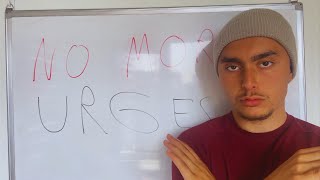
In this extensive video, Samir Gardner challenges the prevailing notion that pornography constitutes a true addiction. He begins by correcting common statistical misconceptions, noting that only about 63‑68% of teens have ever viewed porn and roughly 42% have done so in the past year, indicating that porn use is far from universal. Gardner argues that what is labeled as "addiction" is actually a cultivated preference driven by personal beliefs, perceived benefits (pleasure, emotional and sexual relief), and placebo effects rather than any physiological dependence. He critiques the traditional definition of addiction as excess behavior, pointing out that similar excesses exist in hobbies, coffee consumption, and video‑gaming without moral condemnation. The speaker dismantles the idea of withdrawal and compulsion, emphasizing that there are no tangible physiological signs of porn addiction—only subjective symptoms shaped by belief. He explains neuroplasticity as a process that merely reduces resistance to repeat a behavior, not as a force that compels it. Gardner also explores how shame, guilt, and cultural narratives (the "devil" or "third‑party" metaphor) allow individuals to externalize responsibility, thereby reinforcing the illusion of loss of control. By reframing the perceived value of porn versus the value of abstaining, and by recognizing that control is always present, he proposes that freedom from porn is achieved through changing beliefs and value assessments rather than willpower or discipline. Throughout, he references several studies (2022 teen usage data, a 5‑year addiction lifespan study, alcohol binge research, and an opiate trial) to support his claim that belief, not biology, underlies the behavior. The video concludes with a call to watch his other debunking videos for deeper analysis of urges, boredom, pleasure, and withdrawal, positioning his approach as a rational, evidence‑based alternative to the NoFap community’s addiction narrative.
Chapters
Guys, today we're going to debunk addiction, okay? Because the thing is, if you believe that you have an addiction to porn, then trust me, it's not going to be a walk in the park to quit porn. Not at all, okay? Because we understand that it's really about like beliefs and perceptions. If you've been watching my videos, you really understand that, you know, the reason why we watch porn is not because of physical and cause and effect reasons, but rather because of simple, um, psychological reasons, right? So perceptions, beliefs, paradigms, things of that nature. So what we need to understand, okay, there's been studies on this and it's, you know, obviously the stats are not all the same, but they're pretty similar. And I found a study done in 2022 where they said that 63% to 68% of teens, okay, so people that basically went through their puberty, have watched porn in their life, right? So only 63 to 68%, not everyone, okay? That's the first misconception we're gonna tackle. And only 42% of them— I mean, just 42% overall, not 42% of them, just say, let's say just 42% of them I mean, overall watched it in the last year. So that means that at least 20% of the people, I mean, of the teens that watch porn haven't watched it, you know, in the last year, which is pretty crazy because it's like a whole year for most people. It's not like, oh, I consume porn once a year. That's like That's so rare, right? And then we have 62 to 68%, not even 70% of people, of teens, right, that went through puberty and have like high testosterone, libido, and all those things that watch porn. And for women, it's probably even lower, right? But what we can get from that is that it's not the universal truth that everyone watches porn. It's not universal truth that one will be pulled towards porn, right? Because when we think about teens are very influenceable, right? So if they're very influenceable and they're very like, you know, kind of naive, why is it not like every single one of them, you know, just watching porn? Because of their biology, it doesn't happen, right? What happens is they get influenced to watch it. That's the reason why there's 62 to 68%. Your classmates says, oh, watch it. Because, you know, if you just look at women, for example, most of them don't watch it, right? I mean, Maybe not most of them, but you know, the statistic shows that it's like really 50/50. So if it's 50/50, then how does that make sense? It's not about biology. What we need to understand is that porn is simply a cultivated preference, meaning that you learn to like it, okay? You learn to like it whether it's because you, uh, you've been curious about it, you watch it, and you experience some form of quote-unquote benefits, and you're like, okay, this is good, right? So you cultivate it the same way I drink black coffee, right? I do drink black coffee. I never really liked the taste. I mean, you know, maybe sometimes I did, whatever. No sugar, no milk or anything, right? And at first it was purely disgusting. It was like, man, what am I tasting? This tastes like nuts and fruits. Like, this is this good. It was like this kind of like weird taste to me. But then I started attaching benefits to it. I was like, oh man, I'm raising my blood pressure, and because of that I'm more focused on my work. I'm more driven. I'm more hungry. And I'm, man, I want to drink black coffee every day. Attach benefits to it, right? But if I just drink coffee for the taste, if I just watch porn for the video, there wouldn't be anything to it. Because like, what's special about a video? What's special about a screen with pixels and changing images? There's nothing special. How can you be addicted to a screen? Right? That's the simple question we gotta ask ourselves. So really, okay, if we just look at the old definition of addiction, okay, let me just turn off my fan because this is getting annoying. So if you look at the old definition of addiction, okay, old pens are never working. Let me just switch that. Um, old definition, it was simply something you do to an excess. So something that you do more than you could be doing, I mean, that you should be doing based on society standards, right? Okay, so if you look at porn, like if you love porn, I know the problem with porn, right, is that there's like the moral side of things, right? If you, let's say for example, you watch movies every single day, there's not really going to be the moral side of things except if you think there is, right? So there's not like going to be the shame, the guilt, except for if you think that you waste time and it wasn't, you know, a good time, right? But when I used to watch, for example, cartoons, anime, things of that nature, I never really I never really was like, oh, I'm wasting my time, except when I got into like improving myself and things of that nature. I was like, okay, this is a waste of time. Why am I even watching this? And I kind of had this regret of quote-unquote wasting my time. But other than that, you enjoy it, right? Same thing goes with porn, same exact thing, but we don't admit it because obviously there's like, it's taboo. There's the religion side of things. There's the shame, the guilt, which I totally understand, right? It's totally normal. But you know, we don't want to accept that we love to do it to an excess, right? And the thing is, with addiction, that's the old definition, right? Now, people will literally be quote-unquote addicted based on the old definition to work, to love, to hobbies, to passions, okay? They will be quote-unquote addicted because they will be doing every day. Just think about like an artist who just paints every day, right? You couldn't say that he was addicted. He was doing it to an excess, right? So we shouldn't put the label on addiction as something bad, but rather as something that we actually like to do. We like to watch porn. And I know you might be thinking, but I don't want to admit that because it means I'm going to go and watch porn more and more. Not at all, right? What you resist, okay, if you constantly tell yourself, no, I don't like it, even though you like it, what you resist will always persist because you're not even tackling why you like porn in the first place. So if you always like something, but you never really ask yourself why you like it and you never really just question why you like it, then man, you're always gonna like it. And guess what? We love doing things that we like doing. It's that simple. It's 1 1 2, okay? So another thing that is very, very interesting with concordant addictions, which I want you to just think about, and I think I read this in a book, "The Cult of Pharmacology," For addiction, there is, and this is very interesting, there is no sign, but let me just write another quote for you. There is no sign of addiction, only symptoms. And when you think about that, you're like, wait, so you know how, like for example, if there's cancer, you're gonna have a sign because you're gonna see, for example, a tumor, for example, and then you have symptoms, right? Like whatever happens inside of the body, right? That's physically there. With addiction, you have none of that. Now obviously, if you have alcohol, for example, and I don't wanna get into those things because it's a bit different because alcohol is actually ingested into the body and yes, alcohol can be unhealthy, which means that you're gonna get like a physical, I mean, physical damage, right? Because it's literally just inside of your body, which I don't know too much about the chemicals inside of alcohol in terms of health or unhealthy. But what I can tell you is that there's no sign that, oh, this is an addiction, right? Maybe he's gonna get a sickness, maybe he's gonna get sick. For example, a guy smoking, maybe his lung will really deteriorate, but there's not gonna be a special thing inside of his body that we can scan and we can like take out which is called addiction. Because if that was the case, they would just do surgery and boom, addiction is gone, right? But it doesn't happen. So even if in the brain, right? And we're gonna explain neuroplasticity and how the brain changes actually work. But what we need to understand is, look, porn, there's literally no sign inside of your body. There's no sign, like tangible signs on you that you have something called an addiction. It's not a disease, basically. There's only symptoms. There's only symptoms. There's only symptoms. And symptoms are very subjective. They're not objective, meaning that they depend on the individual. Some individuals might feel tired, some individuals might feel nothing, some individuals might feel good. It depends on how they interpret porn, which shows that there's nothing tangible about all of this. There's nothing objective. There's nothing that's gonna control you. There's nothing that's gonna affect you Only you, it's all you. It's because you adopted the belief that you're addicted that you feel addicted. Like it's really that simple, right? And addiction is not a real concept, it's simply a concept. I mean, it's not like something tangible that I can actually prove. It's simply something that we attach to certain things that we feel and experience. We attach, for example, withdrawals. Withdrawals is a big thing which I've made a video about debunking withdrawals. We attach withdrawals to the physical sensations that we feel. We attach withdrawals to maybe some negative life events that happen and we're like, oh, that's withdrawals because I haven't watched porn. And we gotta be extremely careful because what happens is it becomes self-fulfilling prophecy. We think something that, you know, oh, I'm watching porn because of this and this and that. But the real reasons why you watch porn or why you feel the withdrawals or why you feel addicted is not because of the feeling you're feeling. It's because of other things which we're gonna tackle, okay? And the thing is, okay, and I've seen this multiple times over and over again, freedom is simple, okay? Freedom from porn is like literally so simple. Now I want you to adopt this belief because first of all, it's the truth. And obviously don't believe me blindly. You gotta, you know, obviously come to your own conclusion. But freedom is simple in a sense that if you really think about it, okay, I've seen many, many, and many people, and it's not to compare you to anyone, It's not to just tell you this is the standard you should achieve, but I've seen many people that never bought into the NoFap ideology, meaning that they were living normal lives. They started watching porn in their teenage years, masturbated a few times a week, maybe every day, depends, really subjective. And as they went on, at one point, for example, when they started getting into something like a business and they started improving themselves, And they really were kind of like, oh, I want to change my life around. Boom, porn. They just left porn and masturbation forever, right? Because for them, there was no concept of I'm addicted. They didn't think to themselves, oh, I'm addicted. Oh, I have withdrawals. Oh, I have compulsions. Oh, I have cravings. They didn't know about all of those things. They had no knowledge. You can't say they were ignorant to those things. They literally didn't know it was a thing. Never watched a single video about NoFap, how to quit porn, and then boom, they just left like this. And that happens to so many people. The reason why I say that this happens to so many people, and I really want to bring this point, is because we cannot see the guys that never went into the NoFap videos. We cannot see the guys that just left porn, masturbation, and moved on with their lives. We cannot see them because what, guess what, they're not going to be under YouTube videos, they're not going to be under NoFap forums, they're not going to be under NoFap communities, why would they be if they left porn and masturbation? Why would they be in the community to learn how to quit porn and masturbation? Makes no sense, right? So they just leave. So we don't know about those people. We don't know that so many people just leave like this, right? When I left video games, for example, I was in a forum saying I left video games. I wasn't under YouTube videos saying I left video games, you know, I just became free. I just left video games and I went on with my life. Well, there's probably some communities, and there is actually, that talk about video game addiction and how it's so hard to stop. If I were to watch these videos back then, I would still probably be playing video games because I believe that I was addicted and there was something wrong with my brain that forced me to play video games. Okay, and really the concept of addiction is just like This is gonna sound a bit corny, but I don't care. It's like Santa Claus, okay? The belief that Santa Claus exists that you have as a kid, or even that maybe adults have nowadays, I don't know, right? The belief that Santa Claus exists, okay, is that if you actually believe that Santa Claus exists, then you will be motivated. You will be motivated to take action towards that belief, meaning that you'll prepare the cookies, you'll prepare the milk, you'll be hyped up in the morning, right? You'll literally be hyped up, right? Even if you slept like 1 hour, right? Which apparently goes against biology because you're supposed to feel bad when you still play, right? You literally, literally, and literally feel motivated to just like, I mean, you're gonna act according to that belief, right? But once Santa Claus, you realize, oh, actually he doesn't exist. It was just like my parents putting the cookies, I mean, eating the cookies and drinking the milk. And it was them putting the boxes, the gifts under the tree, you're like, oh, I don't need to prepare the cookies, I don't need to prepare the milk, I don't need to wake up so excited. You see, relate that to the addiction of porn. The moment you stop believing that, oh, you know, there's an addiction to porn and you have it, you're going to stop feeling like a controlled by porn. You're gonna stop feeling like you, you have compulsions and cravings that you cannot have any control over. You're gonna stop feeling like, um, you cannot control yourself. Like, you're gonna stop doing so many actions that will literally allow you to become free from porn and masturbation forever, okay? It's really that simple, guys, and you don't need to overcomplicate it, okay? And there's many studies, um, you know, I could have pulled up the studies. I mean, you can ask them for me on Instagram if you want, uh, in depth. I'm kind of lame when it comes to, uh, putting the studies, but they're in my book, right? And which is about to launch soon. But there's many studies that talks about like overall, um, how addiction goes down with time. And the typical lifespan of addiction is about 5 years, right? And that's based on drugs and alcohol, right? And even though I don't believe in the concept of addiction, let's say that it exists, it only lasts about 5 years. And another study has been done on alcoholics, quote unquote, people that drink alcohol compulsively. They literally, the ones that didn't believe in the concepts of addiction and binge, literally had less, okay, literally had 9 times less of a binge rate and relapse rate. So the binge rate was actually 15 times less and the relapse rate was literally 9 times less. Than the ones that believed that, oh, they were addicted and that they couldn't control anything. These guys that were, quote unquote, believed that they were addicted and that they had compulsive, I mean compulsions and impulsions, like they just had 15 times more the, the binge, 9 times more the relapses, which shows that it's really about beliefs at the end of the day, right? It's not about, it's really not about the substance itself, right? It's about you, okay? And again, there's nothing in the body that can prove that you have an addiction. This is just simple to understand, okay? And the thing is, okay, people get addicted to anything. I'm like, if you use the label of addiction, people get addicted to anything. You see videos on the internet about people that have their strange addiction where they literally like smell, for example, coffee, and they're like, oh, I'm addicted to it, right? Because guess what, okay? And this is what we need to understand. The truth is addiction is not an addiction, okay? This is not an addiction, meaning that there's no such thing as addiction. Rather, it's just that you— it's like a cultivated preference, okay? And why I say cultivated is because at first you don't like it, you just learn to like it, just like pretty much anything else in life, right? Cultivated preference, okay? Now, what makes up that preference is what we need to ask ourselves, right? And most of the time it's really simple. In addition, sometimes is a reason why we just keep on using that cultivated preference, right? What makes it, okay, this is not working again. So what makes up the preference? Its benefits, okay? Just think about it for like 2 seconds. What benefits do you get out of porn? People will say pleasure. And these are the main 3. I'm not gonna go too much in depth, like about like, because I literally have like many videos debunking those specific benefits, which will help you tremendously. I highly recommend you watch them. Emotional relief, sexual relief. Okay, so these are the benefits. Like you literally get all of these benefits from watching porn, but the reality is you don't get them from watching porn. You get them because you believe you'll get them from watching porn, which just becomes a placebo, meaning that you create those benefits inside of your own self without porn, just with yourself, just with thinking that porn is gonna give them to you, okay? This is just a normal placebo. Excuse me. So the benefits, okay, that's why you have the cold turkey fast, because think about it, okay? Like, just think about it. People play video games just like me. Sometimes I would play video games for like 16 hours a day. 16 hours a day. Think about that for a second. For 16 hours, obviously not every single day because I had school, right? But like when I was 3, I would play all day long. I would actually wake up at like 4:00 AM when there was an update and would be so hyped and I didn't care that I didn't sleep much. And I would just like, you know, go on like and just play, play, play. 16 hours, right? I kind of miss those times where it was like a GTA update and I remember I was sleeping at like 12 and I woke up at like 4:00 AM just to play the new update. It was crazy, right? And that shows that when you're passionate about something, when you get like benefits about something, you're gonna be motivated towards it, right? Now look, benefits, okay, get all of those things. But another thing is beliefs, okay? Which we're gonna talk about more in depth. What I'm trying to get at, okay, is that the people that have, for example, these weird addictions where they smell coffee, for example, they smell tuna, they smell a car, they have sex with their car, whatever, I don't know what they do, but I've seen videos in the past, right? These guys literally have similar benefits to those. For example, when they get the coffee, for them it's like a relief from the life problems, right? Right? Emotional relief. So they don't literally get nothing out of those things. It's just that they believe they're getting something, so they create that, right? Because just think about it. Imagine I told you, smell coffee and it's gonna relieve your pain, for example. You're gonna be like, what the fuck are you saying, right? You're gonna be like, man, this is the craziest thing I ever heard, right? And obviously it won't work because you won't believe in it, right? There's not gonna be that placebo effect. Well, go back to the porn. If you tell a random kid that, oh, you know, if you feel pain right now and you want to get pleasure, watch two people have sex on a small screen. And it's not to shame you, it's not to say, oh, you should feel shame because you watch people have sex on screen. It's just to show you that it's really because we believe, we literally, give personal meaning to porn in a way that it gives us benefits. And because of that, we want to watch porn. We don't want to watch porn for no reason, just because our brain is rewired, or because we've been watching for too long, or because, uh, it's because of sex and biology. It's none of those things. It's just because we believe and we associate benefits that are not even inside of porn, and we just associate it with, with, with porn. And because of that, we start craving porn, right? Wanting porn, desiring porn, okay? So that's basically, okay, the thing. Another thing, okay, there's a huge misconception in the NoFap space, and also, I mean, obviously, like, it comes from porn, but it's that porn equals powerful. It's almost, okay, and people kind of have this belief, if it, You know, most people will deny it, but they kind of have this belief to a certain extent where they think that porn is so powerful that it almost, you know, takes over you just like a quote-unquote demon, like the devil takes over you. And it's like it controls you and it pulls you towards it and you cannot do anything about it and try to fight it off and doesn't work. And if you're honest, right, people say, oh, I have two voices. I have one voice telling me to watch porn, another voice telling me to not watch porn. And they think, oh, one is a devil and one is an angel. Or they think, oh, one is willpower, one is the devil, like whatever, right? It's very subjective. And it kind of portrays that situation or that concept that, oh, you have something else, literally like another entity, whether it's physical or metaphysical, fighting you, fighting you so that you watch porn. Now, but let's be honest, if you're literally having a fight with what people call little monster or the devil or whatever, and then how can you even leave porn in the first place? Like, no one will have left porn. No one in this space, no one. I wouldn't have left porn. Many people that never, you know, watched the NoFap videos that left porn completely, they would never left porn. And we kind of have this irrational belief that it's almost as if there's a third party entity that goes inside of your mind, inside of your body, controls your body, and creates an urge that you have no control over. And now you need to fight it off with all of your willpower and discipline. And even if you do, it's not going to work and you're going to go back to porn. Bullshit. You just want to watch porn. And that's the most freeing thing. Once you realize that it's actually just you controlling yourself and deciding to watch porn, you're like, oh, so that means I have full control over it. And yes, you have full control over it. The voices, you create them because you want to watch porn. You create this thing saying that, oh, there's this devil controlling me because you want to watch porn. And another thing which most people don't like to accept is that when you are able to— and this is basically called the license to misbehave. People do this with drugs and alcohol all of the time, okay? Where they just blame their drug consumption for the actions that they take, which are kind of quote unquote negative, pejorative, right? So the license to misbehave, we have a point is that, okay, I told you, you want to watch them because of the benefits, right? Pleasure, sexual relief, emotional relief, so stress, pain, frustration, anxiety, all of these reliefs, right? And we want to watch porn because every time we feel— and that's the thing, okay? We don't watch porn when we feel good. We watch porn when we feel down because we want to get a fix from those negative emotions. So it's not even about sexual relief. It's not even about biology. It's not even about reproduction. It's not even about intimacy. It's just about feeling better. It's just about you think that porn is gonna make you feel better, so you want to watch it, right? That's it, okay? So what happens is you want to watch porn because you— Basically, the value of porn for you is not just like, oh, porn is a video of two people having sex. The value of porn for you is like, porn is a video of like two people having sex, but it's gonna give me so much pleasure. It's gonna feel like euphoria. It's gonna give me a sexual relief because I don't have a girlfriend right now. And it's gonna relieve my stress, my anxiety, my depression, my pain. Even if it's for a few seconds, I'm gonna feel my best. And I'm gonna be able to escape my problems. It's not like porn is a video, it's like porn is this special thing, it's like magic to me, right? So obviously you'll want magic, obviously you'll want the cure to your problems, obviously you'll want what's gonna help you with your problems, whether it's for 5 seconds or for 5 hours or for 5 days or for 5 months or 5 years. You're gonna want that, you're gonna want that. It's that simple, right? You literally have a desire to watch because of the perceived benefits. So because you want that, but at the same time, you get told that watching porn is bad for you, you should feel shameful about it, it's taboo, it's bad for you, it's detrimental, it promotes disgusting things, it's morally wrong. You have all of these things that tell you basically you should feel shame and guilt if you watch it, right? So you don't— what happens is you want to get a benefit, but at the same time you don't want the shame. So what you do is you watch porn, and then you're like, oh, um, I'll watch— but you try to justify it to yourself or to someone else, for example, and you say, oh, it's because the devil controlled me. Now guess what? Instead of saying, oh, I watch porn because I like it, right, then because of the benefits I'm getting, which if people were honest they would say that, right? But people don't want to say that, which is normal because You know, there's a lot of shame and guilt and, you know, it's taboo and all of those things. But because you're able to blame the devil, what happens is you feel less shame. You're not taking responsibility for watching porn. You're not saying, I like to watch porn. Imagine you say to someone, or even, I mean, not to yourself, but like, let's say that you say to someone, I love watching porn because it gives me stress relief, pain relief, pleasure. A lot of people actually say this, the people that don't buy into the NoFap ideology and just watch porn to casually, right? But imagine you say this, they're going to be like, what the heck are you doing, man? Like, you have a problem, right? And you don't want to hear those things, obviously. You don't want to hear someone's judgment. So what happens really is you're, you're literally— and addiction is a big one because you're like, oh, uh, you know, I watch porn. And then you lie, you say, oh, you know, I watch porn but I didn't want to, I had no control over it, just because I'm addicted, man. Uh, I have no willpower, I have no control over myself. So now instead of putting the blame on yourself of, oh, you took a choice to watch porn because of the perceived benefits, instead you're like, oh, I'm getting those benefits, but I'm going to blame porn. I'm going to blame addiction. I'm going to blame the fact that I've been watching porn for so long. I'm going to blame the fact that I have withdrawals. I'm going to blame the fact that compulsions and cravings that I have no control over. So now imagine you say that to someone, you're going to be like, oh, you know, I didn't want to watch porn. I feel a bit of shame, but I didn't want to watch porn, I was just, I'm just addicted, right? Now the guy's gonna be like, oh yeah, man, I understand. He's not gonna be like, oh, you're weird, why do you watch porn? It's gonna be like, oh yeah, I mean, I understand, man. It's really tough if you have an addiction and you have no control over it. I totally understand. Boom, it's way different, right? So that's an added benefit that we get out of blaming addiction is that we're able to get the benefits from porn with feeling less shame, right? And once you understand that, you're like, oh, so it's really like, it's really just about human behaviors. It's really just about normal human psychology, okay? And the thing is, okay, even with substances, with substances, people still have control over their own body. Just think about this scenario, right? This public scenario. Imagine that a guy is, drunk, and who pulls up? Why is he drunk? The police. Now we might say, oh, the guy's drunk, has no control of his body, he has no control over his mind, he has no control. Now obviously, like, alcohol has some effects on the body, right? I'm not gonna deny that, right? They're drunk, right? But if the police pulls them over, they're gonna stop, they're gonna start stressing, they're gonna start, you know, being more serious, which shows that they have control over their body. Like, it's that simple, guys. Like, it's not because you're— like, imagine you're in the middle of watching porn right now and someone walks up on you. Would you really just like continue on watching it because you have no control over it, you have strong compulsions and you're addicted and you have no control over anything? No, you will stop. You will stop because you're like, oh, let me stop. You choose, you're always choosing, you have free will. This is so important to understand. You are always choosing, there's nothing taking over you, there's nothing really forcing you to watch porn. And I'm not saying this so that you stop watching porn, I'm just saying this so that you can understand that you're always in control. When you decide to watch porn, it's because you want to watch porn. When you decide to not watch porn, it's because you decide to not watch porn, you want to not watch porn. And when you look at it that way, you own everything. You're literally the one making the choices. You don't say, oh, you know what? I'm not gonna have any responsibility. I'm just, I'm gonna act like I have no control over myself. Now you're gonna watch my, if you believe you have no control over your own self and you're just gonna be like, ah, I have no responsibility. You know, I cannot take control of my body. So another thing, okay? These questions, I wanna ask you is why, okay, why do some people literally binge when they watch porn, they watch porn like 7 times in a row, right? Or they watch porn like 5 times in a row, whatever, right? Or most people, they do like 2 to 3 times in a row, like literally in 30 minutes. Why do some people binge and then some other people just watch it once and then they're like, okay, I'm done? For the rest of the week. And then there's other people that do it like once every 3 months. And then there's other people that just never do it. Like they just stop completely. And then there's other people that never watched porn in the first place. And they're like in their 20s. So what is addiction? Why, if addiction was really like a real concept, they will all be like kind of like struggling the same. But why is it like the same, almost the same person with the same age, the same like kind of like hormones and all of those things, has two different reactions? One, one watches it, one doesn't. One stops and progressively like completely— I'm not completely, but like for example really reduced it, and one didn't. Why? If it was a bit about addiction, then first of all the guy watching once would be binging. But no, it just stops. Or the guy doing it like once a week, it would be doing it every single day, but no, it stops. Because we have full control over it. There's no such thing as an addiction. We control our behaviors based on what we think it's gonna give, give to us. You know, like I said, if I, I drink black coffee every day, right? And if, if let's say for example And you know, I'll explain, right? I drink black coffee every day because I believe that it's going to help me with my work to focus because of the high blood pressure, right? You might say it's like a false belief, but I don't really care because, you know, it's not like— it's not that big of a deal for me, right? And it's like kind of like to my benefit to brainwash myself even if it's not the truth or if it's false. I mean, if it's the truth or false, right? But I drink black coffee with no sugar, no milk, because I just want to get the benefit of being able to work. The days where I'm not working on my projects or whatever, I'm not drinking coffee, and I don't feel compelled to drink coffee, even though people will say, oh, it's an addiction because of caffeine, whatever. When I smoked a cigar for like the first time, I didn't feel compelled to just smoke for the rest of my life. I was just like, okay, um, you You know, it tastes different, pretty enjoyable, but I don't want to go out of my way and buy it. And I don't want to, you know, I just started reasoning why I don't want to do it. The reason why we don't do this with porn is because we have so many limiting beliefs and we attach so much value. You know, it's not like you're watching porn, like, you know how I drink black coffee or I drink, I mean, when I smoked a cigar, right? It was just like, oh, I'm smoking a cigar. Like I'm with other people, cool. Like that's a benefit. I wasn't like, oh, I smoke a cigar so I'm like the most masculine man on earth. I'm feeling the best. I'm feeling strong. I'm getting so much pleasure. I'm feeling euphoria. I'm feeling like a boss. If I had kind of like all of these things attached to smoking cigars, then man, I would be smoking cigars almost every day. But I don't, I never really made this mental association because I never really thought about it, to be honest. And I never really watched videos about cigars and why cigars are so addictive and why cigars are so beneficial and also detrimental too. I never watched any of those. And that's the thing. When you look at tribes, for example, and there's been studies where they literally gave candies, candies to a tribe, which people think, oh, candies are so much sugar. It means that they will get addicted, not just addicted to it, but they will love it so much that they will want to do it, I mean, consume it again, right? Because it's also based on survival. You know, sugar is important for survival. Well, guess what? They literally didn't like the taste. There's literally research on that. They literally didn't like the taste, they thought it was weird and never wanted to do it again. Okay? And why is it also that, you know, in the questions, why is it that some people watch it once and then feel disgusted by it and never go back to it. And obviously, like, these people are not really as present because you're literally watching a video about, you know, quitting porn. But these people don't need to watch videos about quitting porn, right? It's not to say that you're a bad person at all, right? Or else, like, I wouldn't have this channel. But it's just to say that it's really simple. You just— it's a behavior you want to do for specific reasons, for specific benefits, for specific beliefs. And once you realize that, you realize that you have full control over that. There's nothing forcing you. There's no external force saying, oh, you need to watch porn. I'm gonna take over your body. I'm gonna pull you towards porn. There's none of that. It's just you making the choice, okay? It's not discipline. It's just you're making a choice, a decision, okay? There's a study, and I talked about this a few times in my videos, where, and this is very interesting, 150 young men took opiates. So this is like a drug, right? For the first time in their lives. And out of those 150, only 3 wanted to do it again. Imagine if drugs are so quote-unquote addictive objectively because of the chemicals and because of how they change their brain, Then why only 3 out of 150 wanted to do it again? Young teens also, I mean young men, 3 of them, literally. So that's the side of the coin we never mentioned, and that's why we believe in addiction, because addiction is mainstream. Addiction is literally everywhere. You go in school and they tell you, oh, if you drink alcohol, not drink alcohol, if you take drugs, you're gonna be addicted forever. If you go and smoke, you're gonna be addicted forever, right? And it's not to say that smoking, taking drugs, or taking alcohol is a good thing, not at all. I don't indulge in any of those, but I can tell you, okay, I can tell you that we have this belief that whatever addiction is based on what we've been told. We never did research about why porn is an addiction, why drugs are an addiction. We just believe what we've been told by authority, okay? So look, now the brain changes, okay? This is a very important thing because the brain changes literally can dictate, a lot of people think that the brain changes is the reasons why we have like the addiction and why we go back to it, okay? So we call this neuroplasticity, okay? Now let me just like completely destroy that for like, in a few seconds. Neuroplasticity, okay, what happens is your brain doesn't get rewired so that you feel forced to do the behavior again, but rather it just removes the resistance to do it again. Think about it, okay? So when you do a certain habit or or skill and you repeat it over and over again, in order to make the habit easier to do, I mean, not just easier to do, but in order to repeat the habit, then if you remove the resistance, it will be extremely beneficial for you, okay? Because if you don't wanna use your long-term memory for everything, it takes a lot of energy. It takes a lot of like mental focus to imagine that you had to learn to tie your shoes every single time. You had to like really look at your foot and really like do, you know, the tying, and it takes a lot of time, it takes a lot of mental energy. Imagine you have to do it like over and over again. Instead, we have neuroplasticity, which allows us to, whatever our behaviors, you know, habits, skills that we repeat often, it allows us to just get accustomed to it. So it removes the resistance, so it becomes easier to do it again the next time. Just think about it. Now, in the beginning, you were struggling to probably tie your shoes, right? Or maybe you were just like, you took a long time. You were thinking throughout the whole process. Now, if you want to tie your shoes, you probably do it without looking. Sorry guys, video cut off, but look, okay? You don't need to think now about tying your shoes, right? You don't need to think, oh, I need to put this lace inside of this lace, whatever, right? You don't need to think think about. Now I was talking about taxi driving, juggling piano, all of these habits and skills requires really like a lot of like mental energy, right? So what happens is when you do those behaviors, they actually change your brain. You can look at studies on this. I talk about this in my book again, but they literally require you to change your brain in order to create less resistance so that you can do the behavior again. Because these taxi drivers, for example, they need to drive the taxis often, but also they need to remember specific streets that are, there's so many streets, right? So it literally changes their brain because they're learning, learning, learning, and they're repeating, repeating, repeating, right? And what happens is when you repeat something, it creates less resistance. So now it becomes easier for them to just remember the street and not access his long-term memory of like trying to like think of, oh, okay, so this street is next to this street, to this street, to this street. Instead, it's short-term memory. It's like, okay, This street is there, this street is there, boom, right? It's really short-term, right? Or for example, for juggling, instead of being like, oh, okay, this ball is in the air, okay, I'm gonna pass this ball, then I'm gonna go like this, you're like, oh, you just start the movement and now it's almost automatic, right? There's not much resistance, right? You don't need to use your mental energy as much. Now piano, same thing, right? You're playing the piano, at first you're like, okay, Does this, this, does this sound, this, does this sound? And you're trying to think through it, you're using your long-term memory, right? Now when you play often, it's like, okay, yeah, this is there, this is there, this is there, boom. And you just play like effortlessly basically, right? You use less mental energy instead of thinking, you don't think as much, right? That's neuroplasticity. So the thing with porn is when you repeat to watch porn, when you repeat masturbation, the only thing it does by changing your brain is that it really just adapts your brain to the imagery of porn. So what happens is now when you're about to go on the website, when you're about to watch a video, instead of it being like, how do I watch a video? Or what should I do when I watch a video? Or all of this thinking that you have when you first watch porn, like the first time you watch porn, you're like, oh, what kind of website should I go to? What kind of video should I click on? How do I do this? How do I do that? We have all of these, like, you know, thought process. No battery left. But there's literally all of these thoughts and you're like thinking, oh, should I do this? Should I do that? Whatever, right? So when you watch porn often, now you're like, you're going to the website, it's effortless. Like, oh, pornhub, you type it like in 2 seconds and then boom, you go and scroll down, you're like used to it. Then boom, you click on a video and then you skip the video and then you watch like, 5 seconds of it, then you're like, okay, maybe I should go to another video. Boom, it becomes like there's less resistance. It's just like you've been doing it over and over again, it's easier. That's what the brain changes allow you to do. And most people, because they watch multiple times a day— well, look, you know, it's not like a taxi driver does it multiple hours a day, but let's say for example a juggler or a piano, they probably do it less time when it comes to the frequency of it, but you know They— this still changes the brain. And with porn, people watch it 3 to 4 times a day. Obviously it's going to change their brain, right? And it's not going to make them pulled or force them to watch porn. It's just going to create less resistance, so it's going to become easier to do it when they decide to do it again. Okay, so look, another thing which we need to really understand is that the problem we have is that since, since porn is kind of like taboo, right? We have this self-image, and this is important, most people don't know this. We have this self-image that we're deviant. Deviant means like we're kind of like watching fetishes porn and we're weird and we have a problem, right? Now the thing is, because porn is taboo, whenever anyone watches porn, we're like, oh, you know, this guy's deviant. So guess what? If you really see yourself, you have this self-image that you're someone deviant. Obviously you're gonna act according to that. Obviously you're gonna be like, oh, I'm someone who's even, so I'm gonna watch porn because that's my identity. I'm, I'm like that. And also allows you to do again the behavior with feeling less shame because you're gonna be able to blame your identity rather than your own personal choices and responsibility. So we adapt that, and then there's so many components that makes us think that we're addicted to porn, and we tie them back to the NoFap concept of addiction to porn, whilst in reality it's just like we want to watch porn for specific reasons. And once we debunk it, we realize that, oh, it's really just— I don't even— like, you'll realize that once you debunk those benefits, which I do on my channel, it becomes easier, okay? So what really makes us watch porn is really the benefits and beliefs, okay? We talked already about like the, the benefits and Now I want to go a bit about like the beliefs because the beliefs also drives us, right? Now look, beliefs, and I'm gonna make this short because this video is gonna be very long if I don't make this short. The beliefs, okay, is that porn is a substitute, okay? Um, and that can be like relationships, um, that can be for, you know, activities, whatever, right? So, and that just— that belief alone creates a lot of value. Usually beliefs create a lot of value, a lot of benefits, because you're like, oh, if I believe this to be true, then why would I go the opposite of what I believe to be true, right? It's really that simple. So, uh, there's also the belief of compulsions. Now the thing is with compulsions is like you have no control over compulsions. If compulsions are real, then that means you have no control over them. So whenever something is like you have no control over, what assume it's based on biology. And because we assume it's based on biology, we assume that it's based on survival. And because we assume it's based on survival, then it makes it very valuable. Like, there's a lot of benefits because, you know, if you need it for survival, then that means it's very necessary to do, right? So that's what it ties back into. That's the beliefs, right? It's, it's literally giving us benefit, uh, compulsions, for example. Or boredom, man, big one. People think that whenever they're bored they kind of have almost like a disease where it's like, oh, I'm bored, so I need to watch porn. Or I'm bored, I'm gonna watch porn. Or I'm bored, it's gonna trigger me to watch porn, right? That's a belief. That's, that's just a belief, right? Beliefs means that also it doesn't mean that it's true or false. It can be both. I mean, not both at the same time, but it can be either true or false, okay? Um, and overall, not out of control, okay? Which is total bullshit because like you just want to watch porn. and then you say, ah, I have no control, so that you can feel less shame about it, right? So you gotta also tackle those beliefs, right? Which I do in my other videos. If I explain it here, it's gonna take a lot of time. But, you know, if you just look at, for example, porn being a substitute for relationships, well, objectively, no. Objectively, we all know that it's not a substitute for relationships, but it's because of how porn has been marketed, has been marketed as like this thing that you can do instead of, you know, going to parties, right, for example. Not parties, but like hanging around other people. Or instead of being in a relationship with another woman, you can watch porn because it's gonna be quote-unquote safer. They market it that way so that you feel like watching porn and it gives you more benefits. Because imagine that porn is literally a substitute for vital things in your life, such as relationships, such as activities, such as pleasure, whatever. Well, obviously you're gonna want to watch porn, obviously, okay? So Really, um, you need to understand that you have control over yourself, okay? You have control over your compulsions. You have control if you're bored, man. There's people that are like the most bored, they literally do nothing in their lives, yet they don't watch porn, okay? You, you are, you're always in control. Just, that's bullshit that you have no control. Compulsion, there's no such thing as compulsion. I have a video debunking urges, I highly suggest you watch it. And porn is not a substitute for relationships. Like, relationship is a relationship, porn is porn. Porn is a video and makes you fantasize. It's literally, you're fantasizing whilst watching porn. You're thinking, oh, I'm not, and this is so key, okay? When you're watching porn, you're literally thinking, you're literally thinking your way through it of like, oh, I'm, you know, this is a substitute for my relationships, or this is giving me so much pleasure. So you create the pleasure within your own self. You create this placebo. And then you're like, oh, it's because of porn I'm getting all of these benefits. But in reality, it's just because of your beliefs, just because of you, the way you perceive porn. And once you remove that perception, which is extremely easy to do, boom, you don't want to watch porn. Boom, you don't get the benefit anymore. Because you realize, just like Santa Claus, Santa Claus isn't real. Santa Claus isn't real. He's not gonna give you the gifts. It's someone else giving you the gifts. And in that scenario, it's you. It's you giving yourself the only gifts, right? And once you start leaving Santa Claus, you don't need to go down like in the evening and make the milk and make the cookies and prepare it and be so hyped up about the gifts. You don't need any of that anymore because you don't believe in it, because you know it objectively doesn't exist. Same thing goes for addiction, okay? And the thing is, and I explained this, porn and the porn recovery space, aka NoFap, plays basically the same. Because imagine, okay, that, you know, you have all of these beliefs about porn being like, you know, the best thing on earth for your sexual relief, emotional pain relief, uh, substitute. You know, you have compulsions, boredom. And then you get into the no-fap space, they tell you that you have an addiction and you have withdrawals. Now it's like, oh my God, you have no control over it. So you can blame porn or blame your addiction, I mean, or blame your withdrawals and do something that, you know, you in your mind, you inflate to so much value, you know, like porn, right? So guess what? Like porn and NoFap is literally the perfect combination for you to keep on watching porn. If you believe in both of the messages, you're just gonna want to watch porn because one tells you that you have no control over it, aka NoFap, aka the porn recovery space. And the other one tells you that it's the best thing on earth. So guess what? If you think it's the best thing on earth, and also that you have no control over it, then you're gonna do whatever, you know what was gonna happen, right? 1 1 2, right? You have no control over it and also it's the best thing on earth. Who wouldn't watch it? Who wouldn't say, oh, let me just watch porn. Let me just blame porn on the fact that I have no control over it. Let me just do what I think is the best thing on earth. There's no shame about any of that, right? I'm not saying this as in a passive-aggressive method to just make you stop watching porn. I'm just saying that this is— if once you believe that you have control of it, is the moment that you're free, literally, okay? And at the end of the day, okay, if you want to make it just really effortless, what you need to do is that you need to see more value in not watching porn than you see value in watching porn, right? Now with these videos, I'm debunking. I'm really debunking, um, everything in depth so that you don't even see value in porn. So this is like, let's say that's porn, this is no porn, okay? The goal is to have less of that and have more of that if your goal is to stop watching porn. So like, once you have less of that, or, you know, you could reach zero, but like, that's not really the goal. Where it's like, okay, you have like almost, let's say, zero value. Okay, let's just make it like a bit extreme. And then here you see like 1,000 benefits or value, whatever, right? Now the thing is, okay, let's say zero benefit, right? That's like the easiest way to quit, right? It's just like changing your mind around like the value that point gives you. That's like the first step. And then change your mind around like the value that not watching porn gives you, right? For example, you can be like, oh, it gives me so much drive and anger. And it doesn't have to be many benefits. It just has to be things that actually matters to you, right? So for example, for me, drive and anger is extremely important. So just that alone made me stop masturbating and watching porn because I was like, I want that drive and anger every day and I love it. And when I'm not watching porn, not masturbating, that's how I feel, right? So that meant so much to me that whatever benefits I was seeing in porn, I didn't care because there was more benefits in not watching porn than watching porn, right? That's how humans work, right? They'll always choose what is the most valuable to them, right? So that's why some people eat healthy and some people eat unhealthy, because the people that eat healthy see eating healthy as something that is so beneficial for them. They're gonna be able to have better skin, better health, better weight, better physique, and they have this different perception about eating healthy, while the people that eat unhealthy, they don't have the same perception of like, oh, I'm going to be feeling better and all those things. They might believe it to a certain degree, but not that much. And also on top of that, they see junk food sometimes as a stress reliever, as something so pleasurable, as something to cope and escape, uh, and use in order to escape from life's problems and all of those things, right? So it's like they have a different perception. Well, the guy that eats healthy doesn't see junk food as something very valuable. He just sees Yeah, maybe it's a nice treat once in a while with friends, right, as a social occasion. But other than that, he doesn't crave it. Whilst the guy that eats unhealthy, his perception is that, you know, it's literally going to give him so much value that he craves it. It's really that simple, guys. So here's— that's the video on debunking addiction. Go and watch my other videos on debunking urges, debunking sexual relief, debunking boredom, debunking pleasure, debunking, you know, literally every single path you can think of, debunking withdrawals, and you're going to be getting so much value. I also have a video debunking masturbation, which is extremely valuable. Anyways, Samir Gardner Gardner, peace.









