Debunking The Withdrawals of Porn
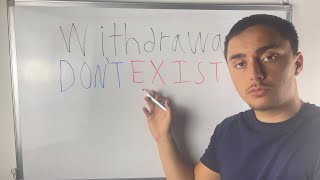
In this video Samir Gardner argues that the commonly reported "withdrawal" symptoms after quitting pornography and masturbation are not physiological phenomena but mental constructs. He begins by labeling withdrawals as an illusion that increases the perceived value of porn, then introduces a three‑step model—physical phenomenon, cognitive phenomenon, and behavioral phenomenon—required for any withdrawal to arise. Using analogies to drug use, he contrasts hospital meth users (who view post‑use discomfort as a temporary sickness) with street users (who interpret it as a craving), and cites ethnographic evidence from a Peruvian coca‑leaf tribe that shows no dependence despite pharmacologically active cocaine consumption. He further illustrates the power of belief with a case of an opiate‑naïve surgical patient who received opiates unknowingly and experienced no cravings. Gardner contends that because porn does not produce a bodily toxin, the physical component is absent, and the cognitive component (awareness of withdrawal) is artificially introduced by cultural narratives such as the NoFap movement. He deconstructs the popular dopamine myth, explaining that dopamine is released in anticipation of a perceived reward, not as a direct result of porn consumption. Throughout, he emphasizes that withdrawal symptoms are self‑fulfilling prophecies driven by expectation, akin to placebo effects, and that recognizing this removes the compulsion. He extends the argument to other activities (video games, movies) to show that when no withdrawal narrative exists, people can stop without distress. The video concludes that the solution lies in changing perception, not in external interventions, and urges viewers to research and form their own conclusions.
Chapters
All right guys, so we're going to debunk withdrawals from porn and masturbation once and for all so that you actually don't feel compelled to use porn or masturbation even after you quit, even right after you watch porn or whatever, because we're going to debunk this and you're going to see that it's just an illusion. And with this information, you're actually going to be convinced. You're not just going to know, oh, this is illusion, but you're actually going to be convinced of the fact that it's an illusion. Okay, so First of all, I'm just gonna put down this camera. First of all, okay, we have the withdrawals. The problem with withdrawals, okay, is that they just increase, they increase the value of porn, increase the value of anything you do because you think, okay, this is so powerful. And, you know, power, you know, if something is powerful, then that means that unconsciously we think you know, there's value. You know, if something is so powerful, then why, you know, then why are we, why wouldn't we be doing it? You know, that's a thing that people unconsciously think. It's like, okay, if something is so powerful and so many people are doing it, then that means that they're getting value out of it, right? And that's just a false perception because there's literally zero value in porn. Watch my other videos to understand more about that. But look, the other thing with withdrawals is that We think that it's imposed on us, and because of that, we think that we need it, right? It's just like hunger, for example, right? Hunger is like imposed on us, meaning that, you know, we need to eat in order to survive. But for withdrawals, we kind of have the same mindset, which is extremely detrimental because you think, oh, that means that there's a lot of value attached to it, right? Um, because, you know, if you, if you need to do something, that means that it's essential to you, right? Which is a lot of value, okay? The first thing that we can look at, okay, we're gonna make it very easy. If we look at drugs, okay, withdrawals and drugs, and you know, there's a huge difference between drugs and porn in a sense that, you know, porn is way less powerful, okay, subjectively powerful. What I mean by that is that porn is not ingested inside of the body as drugs will be, because drugs literally have an effect on your body, right? They literally creates, for example, like light consciousness, they create physical sensations, they actually have toxicity, right? Which is usually treated on the side, right? You actually need, for example, detox and things of that nature for drugs, okay? But for porn, there's none of that, right? Porn are always compared to watching movies or video games, right? There's no withdrawals for those things, right? But I'm gonna explain it further in depth. But look, okay, if you look at meth, or just like, for example, opiates, right, there's two types of consumers, okay? I mean, there's obviously more types of consumers, but just for this example, there's first the hospital user, and then we have the We'll just call it like the recreative, not recreative, my bad. We'll just call it the street user, okay? This is not like the best name, but look, okay? You get my point. Hospital user, street user, okay? Both use it at basically the same amount. Some, you know, maybe, okay, the street user will use it more, or maybe the hospital user will use the more amount of this drug, right, of meth. Now the thing is, one takes a drug to escape reality, for example, like let's say that he wants to just like, you know, cope out with his emotions, like the street user most of the time, right? He takes it, and then we have the hospital user who takes the same exact drug with the same, you know, the same amount and all of those things, yet the hospital user Once he leaves the hospital, even though he's been on methamphetamines, whatever, what happens is he doesn't get any withdrawals, which doesn't make sense because the street user who uses the same exact drug gets withdrawals. And, you know, there's many, you know, reports on this, right? The street user will go back to take the drug again, and then the hospital user will just think, oh, this this feeling, okay, the same exact feeling that they're both feeling, okay, of like this kind of like physical sickness, this kind of like what people call withdrawal, they both feel the same. But the street user sees it as a withdrawal, as like a feeling of, you know, feeling compelled to do it again, to kind of like relieve that withdrawal, whilst the hospital user just sees it as a sickness. He's like, okay, I'm feeling this, 'But I just see it as a sickness and I know it's gonna go away, so let me just wait,' or whatever, 'let me take medication,' whatever, okay? Both take the same drug, the same amount. Both have way different reactions. One is never gonna go back to the drug again, except obviously, except if it goes back to the hospital, whatever. And one takes the drug again, again, and again, and again, and always has the same reaction of feeling compelled, feeling like those quote-unquote withdrawals, right? So we can see that the problem is not with drugs. The problem is how people really interpret the physical sensation they get after taking the drug, okay? And guess what? Porn doesn't even have, you know, it's not even ingesting inside of the body. There's no bodily sensations, okay? This is what, you know, is crazy about this, okay? And another thing, okay, there's, you know, for drugs, even for drugs, It's not like you're consuming a drug that is going inside of your— I mean, you know, it's going outside of your body, inside of your body. But look, there's no third party, like something that has an autonomous mind that just controls your own mind and that, you know, controls your own thoughts and, you know, basically takes over you. For drugs, that's not even the case, okay? That's not even the case. Imagine for porn and masturbation, okay? Let's just use logic here, right? Because if withdrawals are kind of like a false concept for drugs, imagine for porn masturbation, okay? Now there's, um, an expert in this field called Alfred Lindsmith. Great guy. I haven't yet read his full— like, I know he has a biography, but I've read about his work, right? And I've seen, you know, he's been doing this for a long time. Um, I don't know him too, too, too much, but I've seen his work and his research and everything. And he has many books. And one of the things, okay, he said about drugs is that in order to feel a withdrawal, you need 3 things, okay? And if you can just understand those 3 things, trust me, okay? Trust me, you will never ever feel a quote-unquote withdrawal for porn or masturbation. But you need to understand this, and this is gonna be very important because once I understood this, I understood that I was just believing in an illusion. And because of that, because I believe that I was living in an illusion, I just broke free from it. It's that simple. Once you realize the truth, the truth will just set you free, okay? So for, okay, there's 3 steps in order to create a withdrawal, okay? And this is to create. This is not like, you know, oh, this is how withdrawals are created. No, this is, I mean, yeah, this is how withdrawals are created. Let me just get into it, okay? There's 3 things. Okay. So there's first the phys— let me just, pens are never working. So there's 3 things, physical, okay. Physical phenomenon. So that's the first thing. Second thing, okay, is you need to have, I mean, I'll just explain afterwards, but there's the cognitive phenomenon. And trust me, I know these words kind of sound like complicated, but it's gonna be very simple once I explain it, okay? Phenomenon. And sorry if my writing is not that good, just make sure to focus on what I am actually saying and trying to understand it rather than my shitty writing that I have right here, okay? And third, behavioral phenomenon, right? I'm looking down because I have my notes here, don't want to forget anything. Behavioral phenomenon. So those 3 things, okay? The first thing is a physical phenomenon, okay? So what does that mean, okay, is that you need to kind of like— so, you know, these are the 3 steps to kind create a withdrawal, okay? Because withdrawals are not just like in nature, like they just exist and they just, you know, pop out of nowhere and it's forced upon you. No, okay? You need to understand those two, you know, those two things need to happen in order to create a withdrawal, okay? In order to create— and you're going to understand what I mean by create— like a physical phenomenon. So that means that first the guy who used the drug, watched porn, even maybe just, you know, watched a movie, played video games, took alcohol, cigarettes, whatever, nicotine, needs to have a physical sensation. So the physical phenomenon is just like, okay, you feel something, okay? Or maybe it's even in your own mind, right? Or you just— most of the time, let's just say that you feel something physically, okay? And the thing is, that physical sensation can literally be anything else. I mean, it can be not caused by what you just did. For example, if you took So drugs, alcohol, it can be caused by something else, right? For drugs and alcohol, usually the drug itself and the alcohol actually creates a physical sensation, right? But for porn and masturbation, there's pretty much none of that, right? It's very subjective, meaning that most of the time we believe that there's gonna be an effect on our body, so we create the effect on our body, right? It's just a placebo that happens very, very frequently, okay? So that's the first thing, the physical phenomenon. Second thing, the cognitive phenomenon. That implies that you need to have a concern over, okay, you need to have a concern over the withdrawal. So that means that you must know, and this is the key thing, okay, in order for these steps to happen, you must know that withdrawal even exists in the first place, okay? Because if you don't know that there's such a thing as withdrawal in nature, then you're never ever gonna feel a withdrawal. It's really that simple. If you don't know that it exists, then you're not gonna think that it exists. So you're not gonna feel anything. And instead you're gonna think, oh, I'm feeling something, you know, I'm feeling this physical phenomenon. I don't know what it is. Maybe it's just sickness. Maybe it's just caused by something else that happened in my life. Maybe it's because of the food that I just ate. Maybe it's just because of, I'm just feeling tired. I worked all day. You know, you see what I mean? Like you need to interpret it as a withdrawal in order to feel a withdrawal, okay? So cognitive phenomenon means that you feel a— let me just write it— a concern. Okay, so you feel a concern. Physical phenomenon is a physical sensation. You can say physical feeling, whatever, whatever you want to use. And then third, we have the behavioral phenomenon. Okay, this is basically you engage again with the substance. Okay, and this is crazy if you really understand this, because first you need to know that, you know, there's such a thing as a withdrawal. If you don't know that there's a withdrawal, if you don't know that, for example, addiction exists, if you never knew that addiction exists, then you would not feel addicted. It's really that simple, because these concepts like withdrawals and addiction are not tangible inside of the body, right? They're not something that you can just look at with brain scans. It's not a disease, basically. That's what I'm trying to say, okay? And one of the things that we say in, you know, in this kind of like way of quitting drugs, alcohol, porn, and all of those things is that we, okay, as human beings, you know, if there was, there's not even such a thing as a relapse, right? So, you know, all of the concepts of like withdrawals, addiction, relapse, they're all fake, okay? And don't just, you know, take my word for it. Don't just accept what I say like blindly and just like believe it, right? Please make your own research. You know, don't believe me blindly. Come to your own conclusion. Go and look at the information out there. Go look at my videos. Go look at other people's videos and really come to your own conclusion. But trust me that— I mean, not trust me, but, um, what I'm trying to say is, you know, withdrawals, like, you cannot scan them inside of the body. You can't. Like, if I go and watch porn like 8 times, uh, in a row for the next like 7 days, there's not gonna be like a thing inside of my body that I can actually scan, right? Even the brain scans, and we're gonna make a video on this, but brain scans are not caused by porn in and of itself, but rather because of the habit forming. Basically, the neuroplasticity means that you're gonna, as you repeat something, your brain is gonna get adapted to it so that it can do it easier next time, right? So when we say addiction withdrawals, right, They're like both connected, but both are just flawed concepts because they don't exist in nature. Like, you know, if you look at ancient cultures, there's no such— there's literally no such thing as addiction withdrawals, right? And you see tribes, you know, when I was looking at documentary from tribes or even some of the studies and research that I'm gonna talk about, we see that there's literally— they just literally don't have withdrawals. They just literally don't show any signs of dependence when they take alcohol, when they take when they take things that we will be quote-unquote addicted to, okay? So there's these 3 things, okay? You first feel something, you're like, okay, I have this, maybe this kind of like sickness as the methamphetamine user would have in the hospital, right? It's like you have the sickness and then you start having a concern, you're like, oh, you know, this is something bad. So you engage in the drug again or you engage in porn again so that you can kind of like avoid this kind of like physical sensation. But the thing is, you know, with porn— and because we're going to focus on porn, I'm not going to talk about choice— but with porn, if you feel something, for example, let's say you feel anxious, right? Let's say your physical sensation is anxiety, even though anxiety is in the mind, right? And you feel concerned over the anxiety, you're like, why do I have anxiety, man? I don't like this. And then you engage in porn again because you want to, you know, uh, you think that you have a, which, you know, that your anxiety is withdrawal from porn, and you engage in it again to relieve the anxiety, basically to relieve the quote-unquote withdrawal. The thing that's going to happen is you're not relieving the, the withdrawal. Porn cannot do that, right? Porn cannot relieve anxiety. Porn cannot relieve stress. Porn cannot relieve depression. You're doing that with your own mind. This is placebo, because you're literally— because anxiety is in the mind. The moment that you stop thinking about the the situation that is stressful, anxious to you, then you relieve the anxiety, the stress. It's really that simple. Go look at my video called Debunking the Stress Relief of Porn. You're gonna understand more in depth about like how we actually relieve stress and anxiety ourselves and not porn and not masturbation, which will help you just never want to watch porn when you feel stressed or anxious, okay? So look, this is how withdrawals are created. You get a physical sensation, you feel a concern over this physical sensation, and then you engage in it in order to just relieve that. But all of this is just based on the fact that you believe withdrawals exist. Because if you didn't believe they exist, the physical sensation, you would've made like, oh, maybe this is just a sign that I'm tired because yesterday I slept 5 hours. Or maybe you thought, oh, maybe it's because I got rejected by someone, so I felt bad. But most people, what they do is they take every single negative feeling that they feel in their life as a sign of a withdrawal from porn or masturbation, if they believe that withdrawals exist. If they never believed that withdrawals existed, then they would never make that conclusion, and they will just go on with their, with their life and move on from porn, right? I've seen so many people just move on from porn. They even know addiction existed, and they even know that withdrawals existed— I mean, for porn, obviously— and they even know that, you know, that porn was a problem. They just moved on Uh, they decided, you know what, I don't want to do this anymore. You know, this is just something that is useless. Maybe it's sinful, whatever. Moved on. That's it. I know so many people that did this, um, and they just literally never watched porn again. Okay, so one thing, uh, which is gonna be very interesting is a study, like a research that they did on, um, people of South America. I think it was Peru. I'm not quite sure. I can link up the study if you want down below, but They did, you know, a study where— okay, this is not working again. So they did a study where they went in South America, and this was in the year 1995, okay? And they basically looked at the consumption of cocaine, okay? We'll say— I mean, it's coca leaves, right? So basically the leaf of cocaine, right? And they did a study, and, you know, they saw that the cocaine that they were consuming, the coca leaf that they were consuming, was reaching the same blood level as a regular consumer of cocaine, okay? So it had the same exact effect on their body as us if we were to take cocaine, right? And these were like kind of like, you know, primitive kind of tribes that were consuming this cocaine, this coca leaves, right? And they did a study and they said, okay, the cocaine literally has the same effect, okay? The same effect on the body because we're talking about coca leaves, right? Coca leaves here, right? So when they saw that the cocaine they were consuming had the same effect as it would on any other human being, But they didn't show— okay, this is very interesting— they didn't show any signs of dependence, okay, or withdrawals, okay. Um, okay, I'm writing bad right here, but you, you get what I mean, okay. I'll just say withdrawals. So which withdrawals, okay, withdrawal rolls. So what does that tell us is that, you know, they literally take the same exact drug as other people would take, but they have no signs of withdrawals, no signs of dependence, no signs of addiction, quote unquote, okay? And even when they went without it for months, okay, because they were using that drug as, you know, for them it was actually a very beneficial drug that would help them just like do more, uh, basically. I know for example that Some of them will go with like 200 pounds, okay, 200 pounds of materials on them, on their back, and it will take the leaf, the cocaine, and it will just like go for like so long with all of that weight on them, right? They were very strong with the cocaine. It kind of like gave them this effect of like adrenaline, right? I think that's what happened. But regardless, they showed no signs of withdrawal. No signs of dependence, okay? Even after leaving that drug for months, which is crazy when you think about it, right? They basically had the same relationship that we have with food. You know how, like, for example, like, let's say that I eat an hamburger tomorrow, right? I'm not gonna have any withdrawals from hamburgers, right? And if I go months on end without hamburger, yeah, maybe it would have been nice if I can eat hamburger, but I'm not gonna have any signs of dependence or withdrawals. Same exact thing, okay? And this is what we need to understand is that they don't have the concept of withdrawals or addiction, so it doesn't exist for them. So it doesn't happen to them. So they're not affected by it. It's really just in the mind, okay? And this is for drugs, it's not even porn that you're literally looking at a screen. It's not even something you ingest inside of your own body, okay? There was also a story again from Alfred Lindsworth, You know, this is one guy that I'm studying, I've been studying recently in 2008 where there was a woman, okay, that was an ex-opiate addict, okay. So obviously she had like the label of addiction. I don't believe in addiction, but look, okay, this is besides the point. She was an ex-opiate addict and Opium is drugs, right? It's like a family of drugs. Now the thing is, what happened, okay, is that she had to go through a surgery, okay? And that surgery, in order to kind of like kill the pain related to, you know, the surgery, they kind of had to take opium. They kind of had to take drugs to kind of like relieve the pain, right? To make it easier for her. But the woman, you know, talks to the doctor and asks, please don't give me the opiate, please don't give me the drug because I used to be addicted and, you know, I don't want to get withdrawals, I don't want to, you know, go back to it, right? And she was very scared, okay? So what they did, okay, is instead of taking opiates, because usually opiate user will use the opiate as maybe like, I don't know, like crack version, maybe we'll use like pill, whatever, they gave her a kind of like liquid form of opiate, okay? So she didn't know that it was opiate. That's the thing, she didn't know that it was opiate. And boom, she like, she took it without realizing that it was opiate. And guess what happened? She literally finished the surgery. She didn't feel any pain because of the opiate, but she finished this surgery and tanked, takes. And literally said to doctor, thank you for not using the drug and opiate. This, you know, she was very grateful for the doctor not using the drug. But guess what? The doctor actually used the drug. So what does that show us is that because she didn't know that she took the drug, she didn't feel the effect of the drug. So if you really just reflect on that for 2 seconds, if you don't know, if she doesn't know that she's taking a drug, then she won't have the effects and the withdrawals and the signs of dependence on a drug. So that shows that it's all in the mind. If you remove the false connection of, oh, I watch porn and now because of that I have withdrawals, if you don't have that connection inside of your mind, you're not gonna feel it. You're not gonna feel it. Your mind is at the center of everything, okay? There's nothing physical about it. Yeah, opiates literally have a physical, um, you know, uh, effect on your body, but yet she didn't even go and crave it because she interpreted in her own mind that she just took a random liquid and not, and not, uh, drugs and not the opiates. Really think about it for a second. Okay. And you know, this is also something that, uh, there's also a study where, I mean, let me talk to you just about like a very simple studying research, you know the recovery rate for drugs that are ingested inside of your body and which people say they're so powerful. For example, for meth, okay, okay, I'm not— for meth, it's 99% based on certain research. For— I'm not sure of the exact number for other drugs, but for example, cocaine and heroin is literally above 97%. Of people who took the drug will be covered. Okay, so maybe they had to fight withdrawals, quote unquote, in their own mind, but they just, you know, passed on. So moved on, I mean. So if you have a problem with porn, which literally, again, is not just in your body, it doesn't have any toxic effect on your body as drugs would, and literally is just inside of your mind, you're just watching, looking at the screen, then that means that, you know, you can just move on from porn. The withdrawals don't even exist, and you know, you're just looking at something, okay? Another study I think I talked in one of my recent videos is— I love this study because it shows to us the concept of addiction is flawed— is that 150 young men, young males, took opiates for the first time, okay? Opiates for the first time. For the first time. And out of those 150, guess how many of them wanted to take the drug again? Literally wanted to take the drug again. And, you know, opiates, people say withdrawals, there's going to be withdrawals, there's going to be signs of dependence. If you take it once, you're going to be addicted forever. It's too powerful. It has chemicals. It's going going to change your body, all of those things. Only 3 of them, 3 out of the 150 wanted to repeat the experience of taking opiates. So they didn't even feel withdrawals. They even like doing opiates. You gotta understand that with porn, with drugs, with alcohol— I don't know about alcohol because I consumed it like twice. And even— no, actually, you know, when I consumed alcohol when I was very young, I was like 16. I never drank alcohol since. I don't want to drink alcohol. It's against my values and my principles and my morals. But you gotta understand that, you know, when I took alcohol for the first time, it didn't taste good. It didn't really feel enjoyable. I just had a physical sensation. When I watched porn for the first time, and you can probably relate to this, with any, uh, you know, whether it's drugs, alcohol, porn, masturbation. When I masturbated for the first time and when I watched porn for the first time, it didn't feel good. I literally felt stressed. I actually felt tense. I didn't like it. I just did it out of curiosity, and then I had more curiosity and more curiosity. And guess what? I learned to like it. And that's the thing for opiates. The conclusion they did from the study— I mean, that they had from the study— is that you need to cultivate the love. I mean, you need have like a— you need to cultivate basically the love of opiates in order to do it again. It's not about addiction, it's just that you need to like it. Just like coffee, right? People drink coffee for the first time and they think this is the most disgusting thing on earth. But, you know, just like, like me, first time. But as time goes on, we learn to like it because we start attaching value to it. It's not that it's physically there, the value is not physically there, it's just that we want to do it because we start interpreting like, oh, coffee now actually tastes good. Oh, let me, you know, it gives me energy. And yes, like, okay, maybe coffee gives you energy, maybe it boosts your adrenaline, all of those things. But the thing is, at first we don't like it. We don't like the taste. We're not addicted. Like, the first time you take coffee, the first few times even, you don't even like it. The first time that you washboard, the first few times You don't even like it. You don't even like those things, okay? So there's no withdrawals in the beginning. Why is there no withdrawals in the beginning but there's withdrawals later? That doesn't make sense. How does that even make sense? Okay, that shows that withdrawals is just a concept that has been used for business purposes because it makes people think that they're— and you know, maybe this is a conspiracy, don't believe me when I say this, but you know, it's very, you know, likely that they just use it to to make people feel, you know, powerless and think that they cannot do anything about it and that they need exterior help like treatment, like help from experts, help from coaches. In the porn, in the NoFap industry, that's a huge, huge one, right? Where people literally have this kind of like concept that like, oh, I cannot do anything about my porn addiction. I cannot do, you know, I have withdrawals, it's gonna be too hard, and they do just dopamine. And that's, that's another thing people think about dopamine. You know what dopamine is? I mean, I'll cover that afterwards. But look, you just kind of understand that you create so many false scenarios that you believe in, and because you believe in them, you act according to that. So what, guess what? You get the results based on your expectations and not based on reality. You get your results based on your expectations, your beliefs, and not based on reality, not based on the objective truth. That's why we say when you look at the truth, when you see the truth, it's gonna set you free. The answer— and I'm gonna say this— the answer is not like a secret treatment. The answer is not, you know, a random coach that's gonna tell you to do more push-ups and install porn blockers and change your lifestyle. The answer is you. The The answer is your own mind. The answer is changing your perception, changing how you perceive things. For example, removing the concept of withdrawals and looking at the objective truth. The answer is you, okay? And that's another thing I want to touch upon, okay? Do you get withdrawals from, okay, I'm gonna say this, movies? Do you get withdrawals from video games? Okay, I used to play video games 16 hours a day. Okay, literally 16 hours a day sometimes, obviously when I had free time. But, um, I played for I think 10 years, something like that, and or even more than that, right? And I would just, ever since I was very young, but I would play so, so much, so much. Okay, um, and video games is literally somewhere where You have the concept of tribes, you know, you're literally in a tribe, you know, playing with other people, competing, right? Competition. You're literally fighting, whatever. And obviously this is happening in your own mind. This is, you know, happening in a virtual world, right? So that means that it's not the objective truth, but you feel like you're doing those things. You feel like you're in a tribe. Conquering, right? And another thing, conquering. Sometimes there's also this— in video games, there's aspect of sexuality. And there's many, many more things. I'm just trying to see what I wrote there. Yeah, you have like challenges, you have achievements, and these are all things that humans crave in a sense, right? I'm not gonna say they biologically crave it, but that's things that we've evolved to do. That's things that people always used to live in tribe. People always used to compete against other tribes. People always used to fight against other tribes. People used to conquer new land. People used to reproduce. People used to go through challenges and overcome them. People used to love getting new achievements. All of those things in video games. You can't say dopamine— no, I'm not going to say dopamine because dopamine is not what you think it is. But you see, there's also learning. Learning is a big one. You're always learning, oh, there's this new cue in video games, like, oh, there's this new update, oh, there's this new quest, oh, there's this new car that you can buy, oh, there's this new way that you can improve your character. You're always learning, learning, learning, improving, right? There's all of these aspects that we literally want to do in real life in video games. But do you feel withdrawals from playing video games? The moment I decided that I want to stop playing video games, I just did. There was no withdrawals. Yeah, maybe at first I was like, oh, maybe should I stop playing video games? And but the moment I decided to, it wasn't like hard. I was just stopped, right? Yeah, I played a few times after because some friends invited me, but I didn't feel withdrawals. I just— the moment I just realized I want to improve my real life and not video games, and I want to just like conquer, quote unquote, video game— I mean, real life and not video games, I just stopped. I didn't even have any friends for so long, and I could have gotten these fake friends by playing video games and having like this tribe effect, but I didn't want to just because in my own mind I appreciate perceived the playing real life way better than playing video games. I saw no value playing video games. That's what you gotta understand. There's no withdrawals. I didn't have any withdrawals, okay? And same thing goes for movies, man. Movies is literally like— it's— it literally motivates us. We feel like emotions when we anticipate that story to be motivating, right? We just You know, it's literally motivation. Uh, what else? There's motivation, there's the, the story of transformation, which is, uh, literally something that all humans— maybe not all humans, but you, you know, it's still subjective— but a lot of humans crave, right? Um, people say it's because of evolution, because of biology, but, you know, going from, uh, the weak guy to the strongest guy, like, in, in, in the, in the society, is literally something that know, most people want, right? There's all of those things. Yet the moment I stopped watching movies, the moment I said, you know what, I'm not gonna watch anime or whatever, like Japanese cartoon, I just stopped. Like, you know, I just— it was a decision I made. There was no withdrawals. There was no, oh man, I'm feeling an headache because I haven't watched a movie in 4 weeks. No. Oh, I'm feeling lonely, and that's because I didn't watch a movie. So let me watch a movie in order to relieve my withdrawal. No, there was no such thing. Because, and most people would have the same experience, because we don't associate withdrawals with movies or video games. But if we did, then we would actually start attributing our day-to-day life problems to those things, to, you know, to withdrawals, right? And I actually have a video on this that talks about the history of Japan and depression and how they sold antidepressants to Japan, which is so interesting because once you understand what happened in history in 1990 in Japan, you understand that, you know, the same exact thing is happening with addiction and NoFap, okay? Look, you know, it's all in the mind. You know, they did the same thing in Japan where they took basically the concept of, of like, you know, of their soul. And they attach that to the, you know, how you have like highs and lows in life, right? And he said that the lows of life is a sign of depression. Just like we say, oh, you know, if you feel negative, if you feel like you have an headache, if you feel like you're lonely, you're bored, then that's a withdrawal, right? And we falsely attribute that even though it could have been caused by anything else, or maybe it's just caused by you, right? And we say, oh, it's because of the withdrawals from porn, withdrawals from masturbation. Makes no sense, okay? So, you know, that's the thing that we need to really understand, okay? The simple answer, and this is what I teach, you know, everyone that I come across to, is look, you do something because you want to do it, because you see benefits in behind it, right? It's that simple. It's just because you see reasons behind, you know, watching porn, so you want to watch porn. Don't say it's a withdrawal, just that you want to do it. If I go and, for example, let's say that I eat at the restaurant tomorrow, let's say I eat oysters for the first time in my life, and I eat it and I'm like, oh my God, this tastes so good, right? Because I used to be allergic to oysters, and the first time I ate it, I was like, man, this feels so good, like, this is so good. And I used to attach so many benefits to it. I was like, Oh, there's zinc, there's— it's going to boost my testosterone, it's going to boost my fertility, it's going to boost my health. I was like, man, this is so good, I want to eat it the next day. I wanted to eat it for the rest of my life. It was not withdrawals, it's just I wanted to do it based on perceived benefits. I don't even like the taste, I just see so many benefits that I started liking it. Okay, but now I don't have withdrawals, I don't have oysters like, you know, in front of me 24/7. Meaning like I don't, you know, I don't really want to just go and buy them every day, so I just don't take them. There's no withdrawals, there's no like, oh, you feel compelled to take oysters. No, okay? That's what you need to understand. You just, if you like something, you'll want to do it. It's not withdrawals, it's just you want to do it, right? And don't attribute, for example, physical sensations to withdrawals. That doesn't make sense because it can be caused by anything, okay? You know, porn is not ingested into the body, okay? So there's also the myth of like dopamine withdrawals, which again doesn't make sense about— let me explain why. But you know, that's very ludicrous because look, if you have dopamine withdrawals, which obviously is a false concept, but it makes no sense why. First of all, okay, withdrawals. First of all, what is dopamine? Dopamine is not created when you watch porn. Dopamine is not created when you masturbate. Dopamine is created before you do any of those two. Dopamine is the anticipation, okay, anticipation for a reward. So If, if you want me to explain it in like a very simple way, dopamine would be essentially like, imagine that you hunt, and let's say that you're hungry, and then that there's a moose in front of you. Let's say that there's a big animal with like a lot of fats that will help you for survival and all of those things. If you see him and you know that you can hunt him, then you're gonna start getting a rush of dopamine because it's gonna help you. You know, it's anticipation basically means like motivation, okay? So it's gonna help you by like kind of like motivating you to go towards the specific reward. So that reward might be the fat, the food that you're gonna get for survival. That's the reward in your own mind, right? So that's anticipation, the motivation, okay, for reward. And guess what? For porn, we release dopamine before we watch porn because we think, oh no, I mean, Not everyone thinks, but a lot of us in the NoFap space, we think, oh, if I watch porn, it's gonna relieve my stress, right? We don't like to admit it, but that's the truth. We think that, you know, a good way to just like prove it is just like you don't watch porn when you feel happy. You only watch porn when you feel negative because most of the time you're trying to get a fix from the negative emotions that you're feeling, right? So if, for example, you feel stress, Let's say that you feel, let me just write it simply, okay? Let's say that you feel stress, okay? And you believe that porn is a stress reliever, okay? So if you believe that porn is a stress reliever and that you feel stress right now, then that means that porn is like kind of like the solution to your stress right now, right? And that's reward. Like, you literally have a solution for your problem. Like, that's the reward that you're trying to get. So because you, you have this reward, what does it mean? You're going to release dopamine to get that reward, to get the solution to your stress, okay? To get the, the reward. That's it. Okay, so look, let Let me just repeat it. You, let's say you feel stressed, you're gonna, uh, and you think that porn is like a stress reliever, that's basically the solution to your stress, then you're gonna get that, you know, that's the reward for you. It's like, oh, I'm gonna get a stress relief, I'm gonna remove my stress, I'm gonna feel better, right? What motivates people is just getting, you know, feeling better, right? What motivates people in the long term, short term, whatever, at any time, is just feeling better, whether that be now, whether that be in future, right? That's why people literally build businesses for years and go through struggles, just because they know that they'll feel more happy when they achieve their business, uh, goals, whatever, right? Humans are— have a developed consciousness, right? So now you're going to release dopamine just to get the stress reliever, just to get the solution, okay? Just to remove the stress. And that's the reward. You're going to release dopamine because you're going to get that reward. So when people say, ah, you know, though porn has so much dopamine because you scroll and then there's all of these things, no, you release the dopamine before it. Just look at yourself, right? Before you actually, sorry, I'm just trying to fix this. But before you actually watch porn, if you're mindful, because most people just like, you know, watch, they don't really think day to day, right? Most people just go and do things uh, which I understand. I do the same. But look, when you watch porn, you're gonna feel that kind of like rush of dopamine before you watch porn. You know, just think about it, right? Right before you watch porn, right before you masturbate, you kind of start like feeling this rush of like, uh, tension sensation, all of those things. And that's what kind of creates the dope— I mean, that's, that's the dopamine basically, right? Because you, you anticipate, you, you're like, you're motivated by, oh, I'm gonna get pleasure, oh, And pleasure might be the reward, might be the stress reliever, it might be, uh, all of those things. Because you know that, okay, I'm going to get the reward, I'm going to get a reward, you release dopamine. But the reality is, and the crazy thing is, that the reward is in your own mind. But look at my video on debunking pleasure and debunking, um, stress to understand why it's in your own mind. Okay, um, so yeah, if you— if we can just conclude, okay, the conclusion is that the physical sensation that you falsely attribute to the concept of withdrawal is the problem. Okay, that's, that's the conclusion. Because look, let me just erase this and write this. Okay, the conclusion is that you look, you, you falsely attribute your physical sensation, your, your problems in your life are not problems because we know problems and like, it's sorry, but whatever we feel, um, as withdrawals, okay? And that's very like dangerous because now you feel like you're compelled to use porn when in reality you want to watch porn, or you know, you just think that you're, you're forced, which is not true. But the moment that you remove that concept of withdrawals and understand that you actually just, you know, you, you just want to watch porn, or maybe just, um, whatever, you're trying to get a benefit out of the watching porn is the moment that you just realize that, okay, I'm not, I'm not compelled by anything. I'm not forced to watch porn. I'm the one that decides to watch porn or not, okay? And since, you know, you believe in the— because the moment that you start believing in withdrawals is the moment that you feel withdrawals, right? If I believe that, for example, that goes with anything, okay? Like if I believe, for example, that you see this with placebos, right, where They literally give an empty pill, for example, to someone who's depressed, an empty pill, and say this is antidepressants. And they take it, the pill is empty, but because they believe they're taking antidepressants, they start feeling better. But they did that to their own selves. They did that to their own selves, okay? And same thing goes with addiction withdrawals. I'm going to make more videos on, on that topic on the whiteboard. But that's the conclusion: don't falsely attribute physical sensation or like the sensation you feel in your own mind, to withdrawals. Because withdrawals don't exist, especially when it comes to porn masturbation. Okay, you can argue that, oh, because you have an orgasm, that's, you know, that's why you have withdrawals. But the reality is no. Okay, the reality is, if I, you know, if I— there's people have different reactions to the same thing. People watch porn once or masturbate once and then they stop stop. People watch porn and masturbate for hundreds of times and then they stop overnight. Some people just continue, some people stop, whatever, right? Some people watch porn 7 times in a row, some people watch porn once, some people never watch porn. So it's all subjective, meaning that it's— there's not just one truth. Because if there was one truth, if there was, oh, withdrawal is the truth and addiction is the truth, then everyone would be addicted if they watch porn once. Everyone will be addicted if they even watch hundreds 100 times, but people actually stop. People stop after the first try. People stop after the 100, you know, times, whatever, right? It's all subjective, meaning that it's not tangible. It's just based in our mind. The moment that you stop believing in withdrawals and addiction, in the fake dopamine, is the moment that you realize that you was free from the beginning and that there's nothing compelling you, but rather your own self, you know, you're literally making the decisions. You have free will. So remember that, go watch my other videos on debunking pleasure and stress so that you can really just feel even more free and understand how by coming to your own conclusion. All right, Samir Gardner out.









