The Effortless Rewire Podcast - Ep. 1 - Understanding Allostasis and Why Information is Key
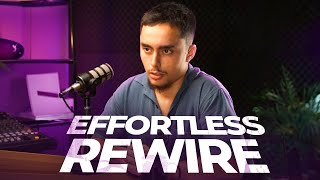
In the inaugural episode of the Effortless Rewire Podcast, host Samir Gardner outlines his ambition to create 100 episodes as a practice in delivering transformative messages. He argues that feeding the mind with the right information can rewire perceptions, beliefs, and ultimately decisions and actions, especially regarding habits like pornography and masturbation (PMO). Gardner introduces the physiological concept of allostasis—how the body adapts to stress and returns to a new equilibrium—and draws parallels to mental adaptation in situations such as public speaking, addiction, and anxiety. He shares personal stories about growing up with asthma, intense cardio training, and overcoming self‑imposed limits, using these anecdotes to challenge the tendency to label oneself with diagnoses (e.g., ADHD, hyperfrontality) that can become self‑fulfilling barriers. Gardner discusses how belief systems shape mental health outcomes, contrasting PTSD with post‑traumatic growth (PTG) and illustrating how differing narratives about schizophrenia affect behavior. He emphasizes that information is a catalyst: encountering a single book, video, or conversation can pivot life trajectories, as he experienced with "Rich Dad Poor Dad" and NoFap content. The episode also touches on socioeconomic observations from a trip to Indonesia, arguing that while circumstances differ, personal agency and the acquisition of useful knowledge remain decisive. Gardner concludes by promising a second part and encouraging listeners to seek information that reshapes their mindset.
Chapters
Guys, this is Samir Gardner. I'm going to record the first ever podcast episode, and I'll tell you guys right away what is the purpose behind doing that and what is the angle. Now, I wanna record 100 podcast episodes, and the reason for that is I wanna get better at essentially delivering a message, right? And by delivering a message, I wanna deliver a message to a new form since I've been doing a lot of YouTube videos, I've been doing courses, I've been doing like short-form content like Instagram, And I have a community, you know, I respond to questions. Obviously, uh, sometimes, you know, I talk to people, but I want to be able to, you know, for you to essentially listen to these and really change, you know, the way that you perceive porn, change the way that you perceive your behaviors so that you can really make a drastic change in your life, right? That's really the purpose where I really want to change your mind, rewire your mind, if that makes sense. What I call, or what I used to call, the subconscious alternation. And so feeding yourself with information that will drastically change the trajectory of your life, since they will change your perceptions and your beliefs, which as a byproduct we know will change, for example, your, you know, decisions, right? Or you even like your, your— I mean, if you change your perceptions and, and beliefs, then you'll make different decisions. And if you make different decisions, you'll make different actions. And if you make different actions, you'll get different results in life, right? It's not too complicated to understand. And today I have many topics, okay? And my goal is for you to, you know, like I said, record these where you can maybe listen to them whilst you're driving, right? I do that sometimes with long-form content on YouTube, which I find informative. And essentially make the most out of, you know, that information where it's like you can really change I'm not gonna repeat myself again. That's one of my weaknesses. I always repeat myself, but I'm working on that. But to change the way that you perceive things for the better, okay? Because one of the things I used to do when I wanted to work harder, okay? When I wanted to push myself to the limits, either through the form of exercise, meaning like going to the gym, or through the form of working on projects, right? Like for example, being extremely productive to the point of being overwhelmed. I had to kind of like undergo a process, which essentially is what I'm doing now with this podcast, where it's like I was feeding myself information as to, you know, why I should be productive, if that makes sense. And so that gave me so many strong reasons and like you can say a foundation of reasons as to why I should go and work as hard as possible and that why being, for example, overwhelmed would be a good thing. Now you might say that's extreme, But I wouldn't say it's too extreme. I just say like, yes, it is extreme for the layperson. But I wanna get into it. I wanna talk about certain topics which I think will blow you guys' mind, but also will just like really drive some points home that will change your perspective on certain things forever. The first thing I wanna talk about is allostasis. Allostasis, allostasis. This is very important to understand, okay? You have, and I have like a few notes of like what I want to discuss. Obviously you can't see me, but allostasis is, you know, we have homeostasis, right? So almost this is like, just to make it, uh, you know, easy to understand, it's just like, you know, your body essentially, uh, adapting, right? Like your body is like looking for a way to, uh, balance. That's a better word, right? So a balance, right? Adapt was the wrong word. This is for allostasis. Homeostasis is to balance, right? And so your body always wants, wants to keep a balance. It doesn't want to go, for example, like what would create a, uh, what would disturb that balance would be stress, for example, right? Very common, uh, commonly, right? And so our body is looking, um, it's always looking for ways to just like become in tune, right, with our environment so that we can feel like being homeostasis where we can have that balance, right? And so one of the things with allostasis, to explain it by giving you a good example, imagine you were to get on a treadmill and you were to go on a run, okay, on that treadmill. At first, your heartbeat is going to increase, right? We all know that. You know, you go from just walking and being calm and relaxed to being on a treadmill, right? I wouldn't say it's like it's a shock in a pejorative sense, meaning a negative sense, But it's just like something which, um, you know, shocks your body. You can say in a good sense, right? Like, you know, you put yourself under, you can say stress, right? And so your heartbeat increases, right? I'm not going to go into the nitty-gritty details of that, but your body now, okay, you're running. And after you probably know this, if you ran in the past, right? I've ran long distance and this is exactly what happens after a few minutes. Now it depends on the individual, but usually I think about like, 20 minutes in, 15 minutes in, depending on your pace also, you get to a point where it's like you feel okay. And not just like psychologically, but physically you just adapt to that pace, if that makes sense. And you go back to a state of balance where it's like you feel normal there. So if I run 5 minutes, uh, or let's say I run like my pace is 5 minutes, uh, per kilometer. I forgot all those measures. But anyways, let's say like it takes you 5 minutes to run 1 kilometer and that's your pace, right? And you do that for like 20, 25 minutes, 30 minutes, whatever. What happens is, let's say at the 20-minute mark, your body will go back to normal the same way that you were in the start. Obviously your baseline is going to be higher when it comes to your heartbeat, but your heartbeat would have increased in the beginning and then it will go back to a balance and stay there, right? right? And this is what we call allostasis, right? Where your body will adapt essentially. I mean, it will adapt to the change that you, you know, uh, put yourself through the, the pressure that you put yourself through, right? When the difficulty increases, you know, you're always able to keep a balance. That's what allostasis does, right? And so one of the very interesting things about this is how do we apply this to other behaviors, right? And for example, right, we're talking about actions here. So another example would be, You know, when you go and you're scared, you have that fear of like public presentation, right? You're in school, you need to present something in front of the class. You have this, you know, you feel stressed, anxious, whatever. And then when you're in the situation, you got to present, it's like you feel it even more maybe. And then 2 minutes in, you feel like normal almost, right? You feel like, okay, yeah, now like I got this, right? Of course you might stumble. That might cause like a bit more like of that spike of fear, whatever. but it's like now you're in it and it's like your body adapts, right? And so why am I talking about this is that, well, if we go back to PMO, porn and masturbation, PMO, one of the fears that we have is if we leave it behind, what will happen to our body, right? What will happen to us even psychologically? And why am I talking about alopecia even though like there's, you can say that there's no like direct connection because we're talking here about the mental problems and, and then here we're talking about like a, a physiological— I mean, you know, allostasis is inside of the body, and, you know, the desire to wash one is, is, uh, completely mental. It's just to show that the body or the human can adapt to these situations and go back to a state of balance. So for example, if you— and this is where the physiological might come— if you feel stressed, like you feel it physically, physically, right? Of course, stress, as we know, is triggered by your mental. But if you feel stressed and then you start like sweating, like to that point, or you start like your heartbeat goes faster and then you're used for some reason to, uh, go on PMO when you feel stressed. And now you don't have PMO because you said, I'm not going to watch PMO, right? What happens is you're going to be like, well, I have the desire to do it, but I can't do it because I said I'm not going to do it. And then you might start having that fear or you might feel a bit overwhelmed. You're like, well, What happens if I don't do it? You know, you're like, would the stress just like overtake me? Would it be negative for my health? And that's where I think people make the rational decision, right? Uh, unconsciously, unconscious, obviously it's like conscious, but it's just, they suppress it. Let's say unconsciously that, oh yeah, let me PMO right now because I feel so much stress that it's just better for me to go and do it. Right. It's like, I feel so much stress that I feel like, you know, the potential negative consequences of that, or what I'm about to face if I keep on feeling that stress, is going to be worse than me watching porn. So this is where it becomes— I mean, it's always like humans make rational decisions based on their own beliefs, right? And sometimes they might seem irrational, but it's still rational to them, right? And so this is like something very important um, that you guys need to understand. Autostasis, like, your body will just balance back to normal. By normal doesn't mean like it will go back to the previous baseline, but rather maybe it will go to a baseline that will be higher, but like in a good sense, right? Because obviously, you know, we can talk about autostasis for like bad things, but we can also talk about autostasis for good things. And we could just like say people adapt. If you go to the gym, right, um, I want to talk about this actually because I was talking to one of my students recently and he was talking to me about hyperfrontality, do you believe it? He was asking me questions about like, what do you say about that? What do you say about ADHD? What do you say about different diagnoses that he kind of like, I'd say diagnosed himself with, if that makes sense, or he got told by other people. And so I give you my personal example, okay? This is, well, it's funny, but it's not funny at the same time. But when I was young, I think ever since birth, I believe, I'm not sure because I don't know too much about that condition, but I had asthma, right? Asthma is like when the, well, essentially your, not your body, but your, I forgot the, like I'm a native French speaker, so there's certain words I only know in French and I gotta study in English. So sometimes I forget, but When you're, how do you, I forgot the, how you say, but anyways, I'll just explain it simply. It's when you can't breathe properly, to put it in simple words, right? You can't breathe properly if you go through hard exercise, okay? And so for example, I remember one time I was playing hockey, right, back in, I'm from Canada, I'm French-Canadian. I was playing hockey and what happened is I essentially ran out of breath and you can say that was asthma. And yeah, I kind of blamed asthma at that time because I didn't do much. I was just like running around and then I just like had a very hard time breathing, like very, very hard time breathing. It felt like I was about to maybe not die, but like, you know, I can't do anything, right? And even a year ago when I was running, as I was running, I was running for a marathon. Okay, let me just take a sip of coffee. So I was running, practicing to run for a marathon. And my friends had the idea of running as fast as we can for like 1 kilometer or yeah, for 1 kilometer at like a pace of 4:40, which is very fast. Like 4:40 per kilometer, or 40 minutes, right, per kilometer, or 4:30, I think, which was like— I never went to that point. I'm very good at like long distance running, but, uh, short distance running and intense running, that's where my issue is. And I ran, and we did that once, like we would run like 1 kilometer and then we would pause for 5 minutes. And after the second time that we did that, we were supposed to do that like 6 times. I like ran out of breath. Uh, like I felt like I was about to, to just not be able to breathe anymore, essentially. Maybe not die, but almost, right? And so I had to go and take my asthma pumps, right? Like the, the, the medication where that helps you kind of like open up your, uh, you know, the airway, you can say, right? For to use simple words. And so I clearly have asthma, right? And, um, it's not like something which was constantly on my mind. Oh no, I have asthma, I can't do this. When I was young, I was actually running, uh, and doing like all of these sports that would make it hard for asthma. And yeah, one of the things that was, I guess, funny— or it's not funny— but when I was 12, last year of primary school, which is like the, the school that you're in in Canada, in the French schools, from the age of 6 to 11, right? And at the last year of that, when I was 11, I believe I received a letter, like, uh, because we went like on a, on a, um, hike. Okay, I know I might be going in a tangent, but hear me out, okay? You'll, you'll see where I'm going with this. I was going on a hike, okay? And that hike was like an 8-hour hike. It was like the longest hike I ever done. And guess what? Even though I had asthma, I was one of the, uh, fastest, or I was one of the, the most, um, active guy, or one of the best. I was like in front of everyone. Right. Because I was just like walking so fast or just like hiking so fast. Anyways, I get this letter. Okay. I get this letter that they gave us from our parents, right. In, uh, on top of the mountain, right. It's like, oh, like they, the teacher said to our parents, write them a letter and like, you know, for, for a gift or like a surprise once they're on top and they can read that. And my letter said, Well, it's obviously like my parents love me in that sense, but it said like, "When you were young," and me laughing about this is not like as a joke, it's just like, you'll understand more later just because now it's irrelevant to me, but back then it meant a lot to me. They said like, obviously like a love message, like, "We're proud of you and everything you do, no matter what you do, whatever." And at the end it said, or in the beginning it said, "When you were young, you were diagnosed with asthma." And we thought that was going to limit you. And like, it was like a very sad message of like, you know, it's like me having a big disease, if that makes sense. Like me being born with cancer or something along those lines. And you know, the way that I saw asthma for like all of my life was it was no big deal, even though it was a big deal. Like physically, there's many people that limit themselves physically. But for me, for some reason, it was never really a big deal. I was doing cross country, which is like, running and trying to like do your best runs like very fast, which is very hard for asthma. Um, whatever. And so what happens is I never really like had in the forefront of my mind, oh no, I can't do this because I have asthma. Oh no, I shouldn't do this because I have asthma. And I did all of the same exercises and all the same sports as everyone else— hockey, soccer, um, cross— cross country is like very hard, like for cardio and when it's hard, like intense like that, for asthma, there were times where it's like I could barely breathe towards the end. Anyways, I was one of the best still. And so when we talk about like, you know, physical conditions, diagnosis, right? And we go and say, oh, that's why I can't do this. If you were to just simply understand, okay, that if you didn't use that as an excuse, what would happen? Just like, you know, like me right now, because I never really took that seriously. I was like, yeah, this is, yeah, this is a condition, but it's like, and so what, right? I just thought in my mind, in order for me to get better cardio, even if asthma had an effect on me, I thought in my mind, in order to get better cardio, I just need to practice more. So guess what I did? I've been practicing since the beginning of the year because my coach told me to, doing like very intense, like the most intense HIIT workout, which is like you go 20 seconds all in and then you go 40 seconds rest. And it's very hard. The Assault Bike is like one of the hardest exercise for me personally. And I was also practicing it like last year for like, I did a jiu-jitsu tournament where I got absolutely destroyed. And I would practice my cardio. Did I struggle in the beginning? Yes, but I got better and better. And now it's like, I don't have asthma. It feels like I just don't have asthma. Even if I were to go past my limits, I don't get the same symptoms as I, like, I would get if I never practiced cardio, if that makes sense. And so just because I didn't keep that as a limiting belief, it allowed me to go and try the things that would get my cardio better. And now it's like asthma doesn't have anything on me in that sense, right? And so this is where I see the issue when people say, Oh, I have ADHD. Oh no, no, but my, my, my brain, I have hyperfrontality. I have maladaptive daydreaming. I have this, I have that. It's really as simple as if you believe you have that, it will drastically, at least for most people, um, reduce the probabilities that you're going to try and improve yourself because you're going to think, well, all of this effort is going to be useless because I have this, let's say, call it, let's call it a disease, right? Even though it's not right after disease. So why try? Like it's, it's, I'm not going to get that much results from that. It's going to be limited by this. But if you were to not have this in the back of your mind, right? If you were to not think, oh yeah, I'm doing, I can't do this because of this, right? Because of this diagnosis, then you would try and you would get better. And then you'll realize, oh, all you had to do was to do it, right? If you say you have ADHD and that's why you can't read books, have you ever tried reading a book or have you ever tried reading multiple books? Right? Because sometimes another thing is, look, I didn't have the best focus when I first started reading books. For example, I couldn't read more than one page, right? And that's the case for most people. But then I started reading more and then I got, um, I kind of like researched like why reading books is good for me. And then I got more motivated to read. I started reading more and more and more. And guess what? I used to hate reading. I used to not remember a single thing about reading in school. Now I love reading. I read multiple hours a day, and I couldn't focus on reading at first, right? So it's like you need to just physically put in the reps sometimes instead of blaming diagnosis. And this is where, like, it's even better to just never ever label yourself with anything, even if an expert says that. Of course, if we're talking like a pathological Disease, like something, a disease, right? Like for example, you have cancer and you can find a tumor within your body. That's different. But here we're talking about psychological issues. Matter of fact, let me tell you about, uh, I was reading a book recently called Doctoring the Mind. Okay. Um, very, very interesting what they said about, um, it was, uh, okay. So I have like the notes here, right? So they compared, uh, there's, um, this group called Rome. They, they compared healthy hallucinators, like people that have hallucinations, with psychiatric patients, right? Meaning that other patients that had hallucinations like the same way, but they were in psychiatry, meaning that they were getting treated for that. So to really recover from that, right? The main difference was that the healthy non-patients, right, the non-patients, meaning they were not in psychiatry and they just thought that their hallucinations was normal and even good, right? Believed that, you know, to be stronger than their voices inside of their head, while the psychiatric patients believed their voices was powerful, threatening, and omnipotent. Do you understand? The only difference between the psychiatric patients and the healthy hallucinators was a simple belief that one believed that my voices in my head that I have that are different, right? What we call schizophrenia. Um, they're not more, they're not, uh, overpowering me, right? I am more powerful than these voices. Was the psychiatric patients, those in remission and recovery, they had these beliefs that it was stronger than them. These voices were essentially omnipotent. Like they were threatening and powerful. And we see the same thing happening with addiction, right? That's why I always say to people, if you blame addiction for why you watch porn, then you simply limit yourself. It's really that simple, right? And there's so much more, right? Um, I want to talk about, like, for example, uh, you know, just mindset-wise, there's PTSD. Most people don't know that there's also PTG, right? PTG is post-traumatic growth. So meaning one guy can have the same traumatic experience and have only like be neurotic and have like really bad side effects whilst another one might go through the same exact trauma. Let's say like a natural disasters like in Indonesia that happened, right? The very popular one in 2004, one of the biggest natural, uh, disasters in recorded history. They had many cases of PTG after a few years where they saw that the the initial PTSD became PTG, where the trauma now started to be something which they grew from, right? They started to use that as an opportunity to get better and have a stronger community and have a stronger connection with God. Very interesting, because, uh, the way that we think here in the Western world, it's, it's kind of like the opposite of that. Like, if something bad happens to us, we— yes, we know, like, okay, sure, like, pain makes a man grow, but It's like we have so many beliefs, so many limiting beliefs that tells us no, but if you go through such situations, you'll get overwhelmed and getting overwhelmed is bad for you. Or maybe what happens is you'll have, it will affect your health, right? There's so many limiting beliefs like that. Right. Um, and what I want to talk about also, okay. Is also, okay, well, we gotta be careful. So of the information that we consume, okay. Because I was, uh, I came across this information recently and I found it really interesting. Now, I didn't really look too much in depth into that, but I think it makes a lot of sense. It talked about schizophrenia. So schizophrenia is like, you know, this, this condition where when people, uh, have like these hallucinations, they have like these voices inside of their heads that are telling them to do certain things, whatever, right? Um, it's pretty terrific, uh, from a third-person perspective. Now, I never had such symptoms, so I don't— I can't relate, and I don't know anyone personally that had such things happening to them, right? So with schizophrenia, there's always this, and especially where I live, right? We hear many stories in the news. I don't watch the news, but when I used to, when I was younger, they would say, oh yeah, this guy has schizophrenia and they had like, like violence. Like, you know, those voices that he had in his mind were promoting him to do violence, right? To go and like kill people. And that's the reason why maybe he acted upon that for certain cases where like they literally killed, killed people. And they said that this is because of schizophrenia. But what we need to understand is like what the author in that book said, um, Doctrine of the Mind, very good book, by the way, uh, pretty complicated to, to understand because it's more entire different field of psychiatry and psychology. But, um, he said that like the media only shows these instances of violence and schizophrenia. But these are simply very, very rare cases. They rarely happen, but they always show the violence part, right? They only show the worst parts. And so people will think, well, okay, so schizophrenia is just about violence. I used to have that belief that schizophrenia was just about like, yeah, you're, uh, that person is going to be violent. He's going to kill people because of the voices they hear within his mind. But no, schizophrenia is not just about this. There can be different voices that have nothing to do with violence. And that's what happens for most people. But because the media just shows the cases where violence erupts, we start to think that's the only thing that might happen. And then this might create a self-fulfilling prophecy for people that do get diagnosed with schizophrenia. They might be like, you know what, if I have schizophrenia, I'm diagnosed with that, I might expect to get these voices telling me to kill people. And then they can have this license to misbehave, where they killed people, right? Let's say like this would be like the worst scenario, right? But they could literally kill people just because they had this belief that, oh, when I have schizophrenia, I'm going to do that, right? And let's say I'm diagnosed with that, then it's going to increase my likelihood. And I might be like, you know what? I lost control over myself. Let me kill the people I always wanted to kill in my life. And then they know in the back of their minds, if they're still sane, obviously, that the legal system is going to go and say, yeah, look, he had these problems. Like he went to psychiatry for this. So that's why he killed these people. You cannot really blame him. You cannot really put him in prison for the rest of his life, only for a few years, right? That's what literally happens. Now, sure, I don't know too much about the legal system, so I'm not gonna talk too much about that, but I've seen it happen where there was one guy from where I was, that killed people. Like, uh, he killed people, like he did a mass shooting, right? And what they did is they saw, oh look, this guy had, you know, a history of like problems with mental illness, so let's reduce the sentence. Anyways, I'm not going to go too much into that, but it's just like it shows the, the problem with, you know, the license to misbehave of playing me make an excuse because everyone else will believe that excuse. And let me use that to justify why I'm going to act a certain way or why I'm not going to do a certain thing. Right? And people can say the same thing with addiction. They might be like, you know what, I'm going to use addiction to say to myself or say to other people, if let's say you want to get, let's say like, I don't know, like whatever happens, like you talk about that subject and you're like, 'Yeah, I'm addicted,' instead of saying, 'I watch porn.' Obviously, like, it would be weird because people would expect you to, to say that, you know, you don't want to watch porn right nowadays, uh, you just do it because of other reasons, because it's weird to watch porn. Well, depending on your social circle. But that's the thing, people won't say like, 'Oh yeah, I watch porn for some reasons.' Instead they say, 'No, I'm addicted, I'm addicted, that's why I do it. Oh, it's because of urges, because of dopamine, it's because of my brain.' My brain is forcing me. I don't want— like, that's where the issue comes, right? Um, now I want to talk about why information, I believe, is everything. I know it sounds a bit like, you know, some self-improvement woo-woo stuff, right? Like, oh, if you just consume information, if you just watch this self-improvement video, your life is going to change, right? Uh, I used to believe in that and I realized it was totally BS, right? I would watch so many self-improvement videos and I would not be taking action. As we all know what happens then. Uh, you just get no results. Even if I probably watched some of the best videos from these self-improvement YouTubers at that time, because I was young, like I didn't know much, right? I was just watching whatever I thought was good to watch. Like, you know, one guy said, go and work out and like, uh, or go and start a business, go and do this and that. But at that time, like I was listening to these things, these advice, but I was not really applying much. Yes, sure. I was applying to a certain extent, but not enough to really change my life or get the results that I actually wanted. Right. But what I would want to talk about, okay. Uh, when I was in Indonesia, so I was in Indonesia 4 months ago. Yeah. 4 months ago in Bali. Right. Um, one of my favorite places. I went there and I saw like, and by talking to the locals there that, because there's like this app in Bali where you can, uh, orders or can pay someone to go and pick you up like Uber, but like with their motorcycles. So it costs us like $1 to go like 15 minutes away, right? Like for 15 minutes, right? $1. Right. And what I realized, okay, is that these guys, and they asked like one guy, like, you know, following, you've been working. He was saying that he worked from early morning, I think like 8:00 AM. And it was like 6:00 PM. And then he was going to work until like, you know, 10:00 PM or something along those lines, like 14 hours. And I was like, these guys are working much more hours. right? And they're making way less money than the, you know, obviously like the civilized countries. And I'm like, it's not a question of hard work. It's not a question of like action sometimes because put the same guy, and this is why I also believe that everyone that is born within like a first world country should never complain. As cliché as it sounds, I know your parents probably told you this, you should never complain. I mean, just being born in general, like being like alive is a blessing, but I'm I'm saying, like, we live within a land of opportunities. I'm in Canada. There's so many opportunities, right? That what happens is, well, I don't wanna go into that, that, that tangent because like we all know about this, but you know, we just blame our circumstances and our environment when environment and circumstances is much better than like most people and we can make the most out of it and we can even change our environments and circumstances for the best of the best, not just like better, but like for the best. But like more than the 1%. Anyways, and like I saw how they were barely making any money, right? And they were working like, I think one guy like showed his salary like by accident. It was like something along the lines of like $30 in a day, right? And of course they don't have the same opportunities, don't have the same infrastructure, whatever. But what I realized is if someone doesn't come across, right? Like for example, these guys in Indonesia, Of course, they don't have like the technology sometimes, uh, to the same extent that we have. They don't have the same infrastructures, like I said, whatever. But if you don't come across a piece of information that might change your life, then it's never going to change your life, if that makes sense, right? Like your life, your life is not going to be changed in that, towards that direction. So for example, me, okay, when I was 16 and I was down bad in the middle of the pandemic, I was depressed, just like obviously like struggling with this habit and just doing all of these bad stuff. Me back then, if I didn't have a phone and I didn't randomly stumble on a self-improvement video because I was searching how to be attractive to women, if I didn't stumble upon that, where would I be? Information. Like, I just— because I stumbled upon information, you can blame— you can say, oh yeah, I'm gonna take action, I'm gonna do this and that, but it's like, yeah, sure. But you know, like the moment you consume a certain piece of information, what happens is it can drastically change the trajectory of your life and the trajectory, like just your actions basically, right? Because it changes your perceptions and beliefs sometimes. Sure. We know sometimes, and obviously the paradox is like, you know, we also know that we need to take action and execute, right? We all know that most people lack the execution like I did for multiple years where it's like you have the information. If you were to act upon the information, Most, you know, you would change and you will gain more information that will help you like even progress further. But it's like, what would happen? Like for example, I dropped out of, um, school. So not high school, but after high school we have like a different kind of like, um, education, which is called, it's like a college before university. And I dropped out of that, right? And the reason why I dropped out of that just came to the information that I read when I was 16, the first ever self-improvement book I read in my entire life called Rich Dad Poor Dad was a book about finance and like basically becoming wealthy, changed my perception about school. And so I went overnight from like, oh yeah, school is the best way to live your life, to school is like a scam, right? Sorry to say, but that's what I believed at that time. And I was naive. I was 16, right? And now it's like, I'm living here and I'm talking to you guys and coaching. And I had to go in, not had to go, but like I wanted to go into the coaching space because You know, I love coaching people, right? I used to do it for free back then, more than 4 years ago. And on top of that, I love business, right? So I'm doing like both at the same time, right? But if I never came across that self-improvement video that talked about NoFap, that completely changed my paradigm on like what I need to do with my life and then led me to a rabbit hole of consuming more information. And I didn't then read the book, right? Just these two things alone, where would I be? Maybe I would be more than down bad, right? I'm not gonna say like go too much in depth into like how down bad I would be because I was just like, think of like someone that thinks he's a loser and so he takes no action and then he stays in his home and just plays video games all day and just eats junk food all day. I would be probably overweight. I would be probably just jobless. I would probably be scared to even talk to a single person. Anyways, this is where I say, okay, to people, if you don't have the information, and I literally pray to God to give me knowledge, right? Because the moment you have information, you have a new set, you have a new way to make decision because now you have more information on like how to make proper decisions technically. But also on top of that, you have the ability to take different courses of action. Take, uh, change your beliefs and perception, which will then change, uh, how you take actions in the long term, your decisions in the long term. And that's going to like have a ripple effect because, you know, all of these good decisions, you can say, that will help you achieve a goal. Uh, well, if you consume information that will help you with that goal, then you'll make better decisions, actions, and at one point, like, you'll achieve the goal. Or, you know, maybe it's going to take more time, maybe it's going to take less time. Anyways, this is it for now. I have a call in 2 minutes, so I have to go. But I hope you guys liked it. I'm going to record part 2 very soon and be on the lookout for that.









